Insurance Agent vs Buying Online
Use an agent when your situation got complicated, like it just did, and go online when you just need a clean renewal.
A couple with a new house and two old policies
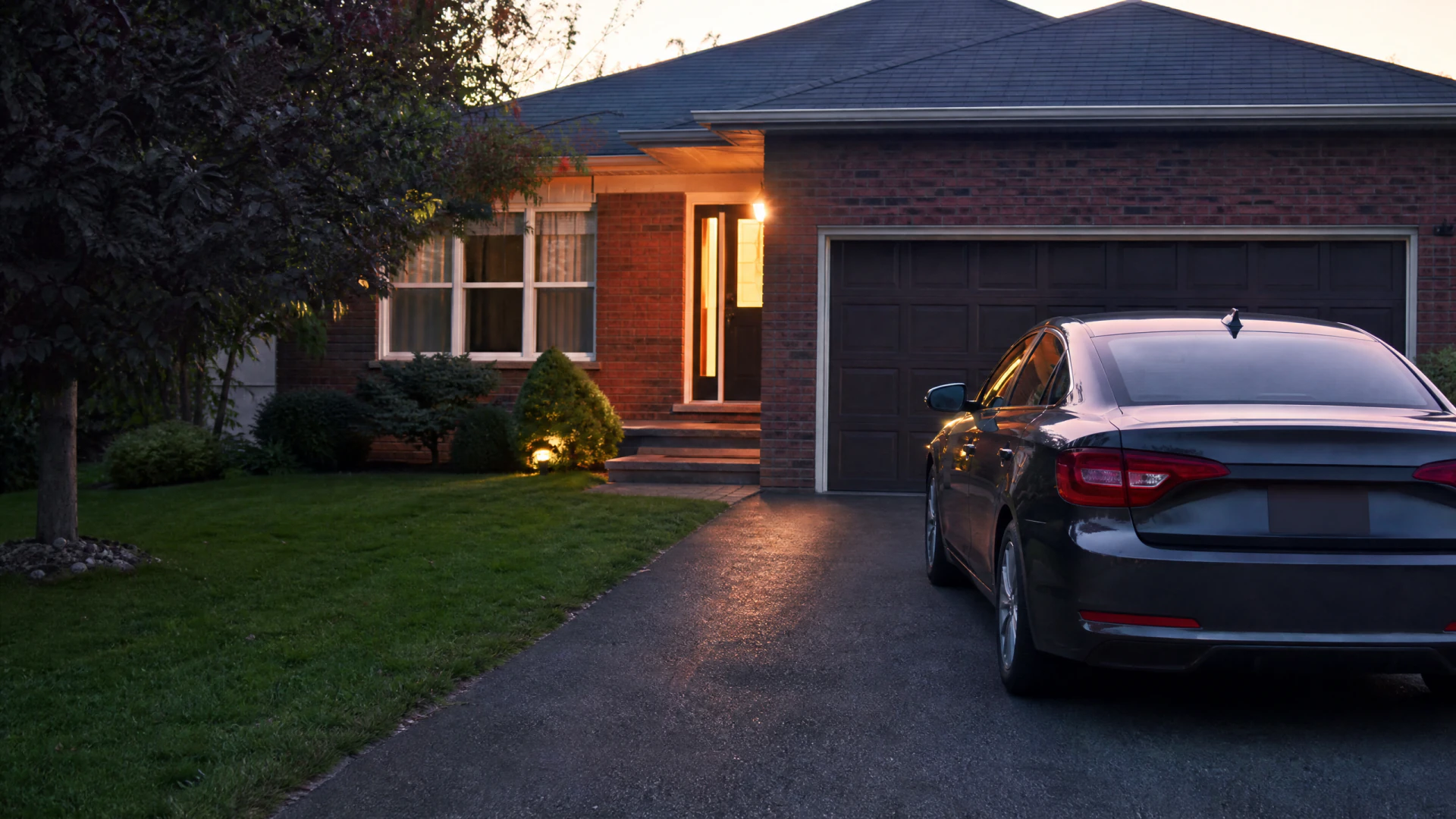
A couple bought their first home and now had a mortgage, a lender-required homeowners policy, and a car insurance policy each of them had set up separately years before they met. Their new address was in a different zip code, one car now sat in a garage instead of on the street, and they weren't sure if combining everything made sense or just added complexity. They called an agent mostly because they didn't know what questions to ask.
The agent asked about both cars, the garage, their commute, and whether they wanted the home and auto policies with the same company. That last question mattered because it changed what they qualified for and made the total easier to track. The agent also caught that one of them was still listed at an old address, which could have delayed a claim. They ended up switching one car's policy and leaving the other alone, because splitting made sense once they saw the actual numbers side by side. They left with a decision they understood instead of one they'd just accepted.
The short version
Go to an agent when your life just changed in more than one way at once, like a new address, a new garage, and a home policy to coordinate. Go online when your situation is stable and you just want to compare renewal prices. The one thing to do now is list everything that changed before you talk to anyone.
Will an agent actually save me money or just sell me more coverage?
A good agent should do both less and more than you expect. They won't magically lower your price, since the price comes from the same underwriting rules whether you buy online or through a person. What they can do is catch things that actually change your price, like the garage, the new commute, or bundling with your home policy, which you might not think to ask about on your own.
The risk is an agent who's paid to sell you more coverage than you need. Ask them to explain why each recommendation applies to your specific situation, not just that it's "a good idea." If they can't connect it to something true about you, like your cars, your driving, or your state's requirements, push back or get a second quote online to compare.
Once you know whether you need a person or just a price, compare quotes with that decision already made.

Whether to talk to an agent before you buy
If you do
You get someone who asks about your garage, your commute, and your home policy together, and who catches mismatches like an old address still on file. It takes longer and you might get a sales pitch, but you leave with a coordinated decision instead of a guess, which matters most right after a move.
If you don't
You get a price fast and can compare several in the time an agent call would take. But nobody flags that your garage or zip code might lower your rate, or that bundling with your home policy could help, so you might miss savings or gaps that only show up after a move.
Why this depends on how complicated your situation is right now
Insurance pricing comes from the same underlying data no matter who sells it to you, your driving record, your cars, your address, and your coverage choices. An agent doesn't have access to a secret lower price. What they have is time and knowledge to ask questions you might not know to ask yourself, like whether a garage changes your rate or whether your new commute distance matters.
Online buying works well when your situation is simple and stable, meaning you know what coverage you want and nothing major just changed. You're comparing price for the same thing, which is exactly what online tools are built to do quickly. The tradeoff is that nobody is checking your specific situation for things that could change the answer, so you have to already know what to look for.
Right after a move, your situation usually isn't stable yet. You have a new address, possibly a new garage, a home policy that might bundle with your auto policy, and sometimes a change in how often or how far you drive. Each of those can shift your price or your coverage needs in ways that aren't obvious unless someone walks through them with you or you already know to check.
This varies by state and by insurer. Some states limit how agents are compensated or require certain disclosures, and some insurers only sell through agents while others are online-only. Check what's available in your state before deciding, since your choice might be narrower or wider than you expect.
Does bundling home and auto insurance actually save money or is that a myth?
It often reduces your combined price, but not always, and the only way to know is to compare the bundled price against separate quotes for your specific situation. Bundling discounts vary by insurer and by state, so what helped a neighbor might not help you. Ask for both the bundled quote and separate quotes side by side before deciding, since sometimes splitting them across two insurers costs less even without a bundling discount.
Do I need to update my insurance if I only changed address, not my car?
Yes, your address alone can change your rate and you're usually required to update it regardless of price. Insurers price partly based on where your car is normally parked, since that affects theft and accident risk in that area. Check your policy for how quickly you're required to report an address change, since waiting too long can affect a claim if something happens before you update it.
Should both of us be listed as drivers on the same policy now that we live together?
Usually yes, if you live at the same address and share access to the cars, since insurers expect household drivers to be listed. Leaving someone off can cause problems if they're driving the car during an accident and weren't disclosed. Check with your insurer about how they define a household driver, since the rules on who must be listed can vary by company and by state.