Is It Easy to Cancel Your Car Insurance
Canceling is easy, the part that takes care is making sure a new policy is already active before you do it.

Switching after a home purchase and a new quote
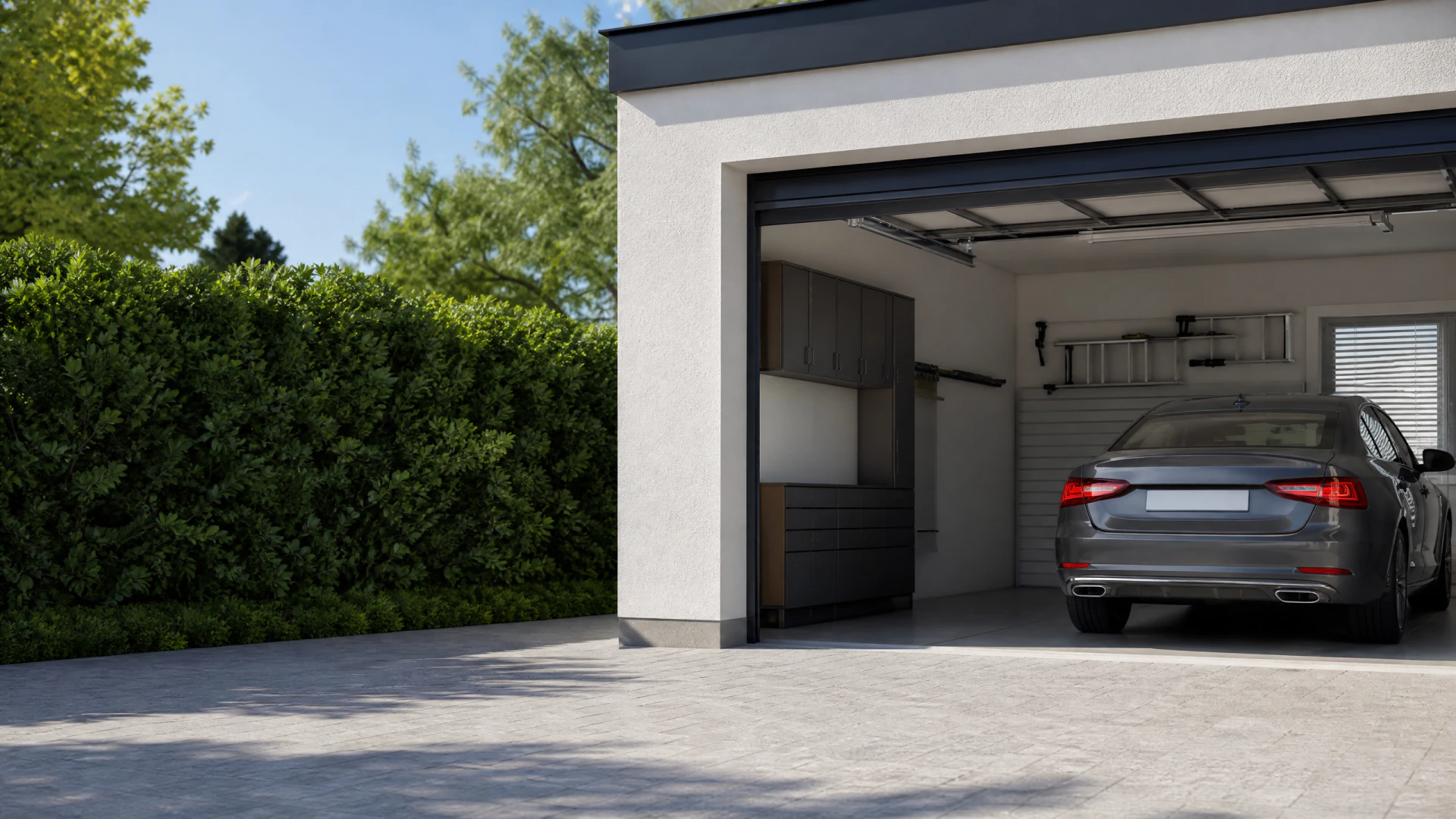
A couple who just bought a house decided to shop their car insurance because their new homeowners policy came with a bundling offer. They requested quotes with their new address and garage listed, found a better rate, and set the new policy to start on the first of the next month. Before calling their old insurer, they confirmed the new policy's effective date and got written proof of coverage.
They called their old insurer two days before the new policy started, said they were switching, and gave the end date. The agent asked a few questions about why, which they answered briefly, and processed the cancellation effective the same day the new coverage began. Because the two policies lined up exactly, there was no gap and no overlap, and any unused premium from the old policy was refunded within a few weeks.
Will canceling hurt your credit or future rates?
No, canceling a policy on your own terms does not hurt your credit and does not get reported the way a late payment would. What can affect future rates is a gap in coverage, which some insurers look for when you apply later.
As long as you move directly from one active policy to another with no lapse in between, canceling has no lasting effect. The key is the handoff, not the cancellation itself. If you're ever unsure whether your new policy has truly started, call and confirm before you let the old one go.
The risk was never canceling, it's having a gap between old and new coverage, even for a day.
Once you know how to time the switch, compare quotes now and line up your new policy before you cancel the old one.

Should you cancel before or after the new policy starts
If you do
If you cancel only after your new policy is confirmed active, you stay covered the entire time. There's no lapse for a lender or future insurer to notice, no scramble if something happens mid-switch, and any refund from the old policy arrives without complications.
If you don't
If you cancel too early, you could end up uninsured for days without realizing it. A lapse like this can follow you, insurers sometimes ask about gaps when you apply later, and if you're in an accident during that window, you're paying for it entirely yourself.
Why the cancellation itself is the easy part
Car insurance is a month to month agreement in spirit, even when you pay for it in longer stretches up front. Insurers build their systems around people starting and stopping coverage constantly, because people move, switch jobs, sell cars, and shop for better rates all the time. That means the cancellation process itself is usually just a phone call or a form, with no real obstacle in your way.
What insurers do care about is being paid for the time you were covered. If you paid in advance, you're typically owed a refund for the days you didn't use. If you paid monthly, you may owe a final partial payment. Either way, this is bookkeeping, not a barrier, and most insurers handle it automatically once you give them an end date.
The real complexity lives outside the cancellation itself, in what happens before and after it. If you cancel without a new policy already lined up, you create a gap, and that gap is what causes problems, not the act of canceling. Lenders with a loan on your car may also require proof of continuous coverage, so canceling without satisfying that first can trigger fees or force-placed insurance from the lender, which costs more and covers less.
There are cases where the process has extra steps. Some states or insurers require written notice instead of a phone call, and some policies have fees for canceling mid-term. None of these change the basic truth that canceling is simple, they just mean you should ask your specific insurer what their process requires before you call.
Do I get money back if I cancel my car insurance early?
Yes, if you paid for coverage in advance, you're typically refunded for the days you won't use. Insurers calculate this automatically once you give them your cancellation date, and the refund usually arrives within a few weeks by check or back to your original payment method. Some insurers charge a small fee for canceling mid-term, so ask about that before you confirm the date, since it would reduce what you get back.
Can I cancel car insurance if I still owe money on the car?
No, not without replacing it first, because your lender requires continuous coverage as a condition of the loan. If you cancel without a new policy active, the lender can add their own coverage to protect their investment, and this coverage is usually far more expensive and only protects the car, not you. Always have new coverage confirmed before ending the old policy when there's a loan involved.
What happens if I forget to cancel my old car insurance?
Nothing urgent happens immediately, but you'll likely keep getting billed for coverage you don't need, since insurers don't assume you want to cancel just because you got a new policy elsewhere. You'll end up paying for two policies at once until you call and end the old one. Check your billing statements after switching to make sure this hasn't happened.