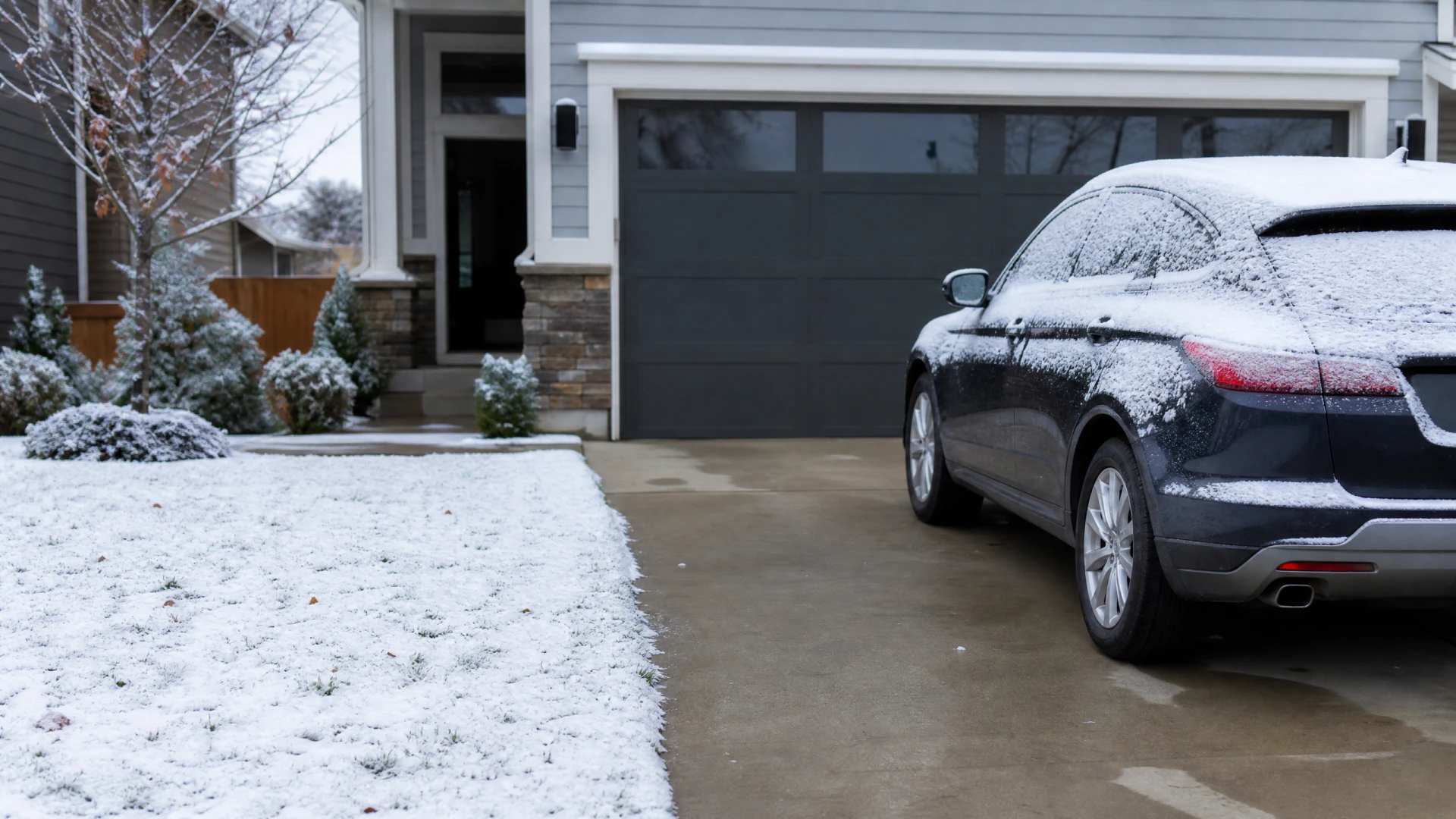
Is Car Insurance Based on Mileage
Yes, how much you drive each year directly affects your premium, and a shorter commute after moving can lower it.
Fewer miles means fewer chances for a claim, so insurers price it in
Insurers are trying to estimate the odds you'll file a claim, and time on the road is one of the clearest signals they have. The more you drive, the more exposure you have to accidents, so your annual mileage gets factored into the price alongside things like your zip code and your driving history.
When you buy a policy or renew one, you typically give an estimate of how many miles you'll drive in a year, sometimes broken down by commute distance and weekend driving. That estimate matters more than people expect. If your new home means a shorter drive to work, or no commute at all, your estimated mileage drops, and that can lower your rate.
This works differently depending on the insurer. Some ask for a rough annual number and rarely revisit it. Others offer usage-based programs that track actual miles or driving habits through an app or a device, adjusting your rate to match. Check which approach your insurer uses, because the second kind rewards a genuine drop in driving more precisely than a one-time estimate does.
Mileage isn't the only thing that changed when you moved. Where the car is parked overnight, local accident and theft rates, and whether you now have garage coverage all get evaluated too. Mileage is one piece of a bigger picture, so update your estimate but don't expect it alone to explain your full rate.
What to update now that your driving has changed
- Recalculate annual mileage Estimate your new yearly mileage honestly, including the shorter or longer commute. Give your insurer the updated number instead of leaving the old estimate on file.
- Ask about usage-based options Some insurers offer programs that track actual driving instead of relying on estimates. Ask if one fits your new routine, especially if you're driving noticeably less.
- Update your garage address Where the car sleeps at night affects your rate as much as how far you drive it. Confirm your new address and parking situation are on file.
- Recheck primary drivers If driving responsibilities changed with the move, make sure each car is matched to its actual primary driver. Mismatches can quietly inflate your premium.
- Compare quotes with new numbers A lower mileage number can shift which insurer offers the best price. Use your new numbers as the basis for fresh quotes rather than assuming your current insurer adjusted automatically.

Now that you know how your new mileage factors in, compare quotes using your updated numbers to see who prices it best.

A shorter commute after the move
A couple moves to a new house with a garage and a workplace that's now a short drive instead of a long highway commute. Their old policy still has the original mileage estimate on file from years ago, back when one of them commuted much farther. They realize the number no longer reflects reality.
They recalculate their expected annual mileage, factoring in the shorter commute and less weekend driving since errands are now closer to home. They update the estimate with their current insurer and also ask about a usage-based program, since their driving is lighter and more predictable now. The updated mileage number, combined with the new garage, lowers their quote. When they compare it against quotes from other insurers using the same updated numbers, they find one that prices the lower mileage even more favorably, and they switch.

Your old mileage estimate is probably still on file, and it's likely costing you more than it should.
Will my rate drop immediately if I report lower mileage?
Not always immediately, and not automatically. Most insurers apply the change at your next renewal or review rather than mid-policy, unless you specifically ask them to recalculate now. Some will adjust right away if you call and request it, especially if the drop in mileage is significant.
If you're on a usage-based program that tracks actual driving, the adjustment tends to happen on its own schedule, often monthly or at renewal, based on real data rather than your estimate. That can work faster or slower than a standard policy depending on how the program is structured.
The only way to know for sure is to ask your insurer directly how and when mileage updates affect your premium. If the timeline feels too slow or the adjustment too small, that's a good reason to get quotes elsewhere using your accurate numbers and see if another insurer responds to the change more favorably.