Full Coverage vs Liability Limits
Full coverage protects your car, liability protects everything else, and buying a home likely means both need a second look.
Why owning a home changes this math
Liability coverage pays for damage and injury you cause to other people, their cars, or their property. It has nothing to do with your own car. Full coverage, which usually means adding collision and comprehensive, pays to repair or replace your own car after an accident, theft, or weather damage. These are two separate questions. One is about what you owe other people. The other is about what you can afford to lose yourself.
Before you owned a home, a lawsuit over an accident you caused could only reach so far. Now you have equity sitting in a house, and in many states a judgment against you can reach savings, wages, or even force a lien against property you own. That is why liability limits deserve a second look right after a home purchase, regardless of what you decide about full coverage.
Full coverage is a different decision, tied to the car itself. If the car is financed, the lender almost certainly requires it, so there is no real choice there. If it is paid off, the decision comes down to what the car is worth and whether you could replace it out of pocket. An older car with modest value often costs more to insure for collision and comprehensive each year than it would pay out if it were totaled, which is worth checking before you assume full coverage is automatic.
Where this gets genuinely different by state or insurer is how liability limits are structured, what minimums are allowed, and whether something like an umbrella policy is available to extend protection beyond your car policy. Ask your agent directly how your state handles this and what an insurer offers above standard limits.
Do I need full coverage if my car is already paid off?
Not automatically. Once a lender no longer requires it, full coverage becomes a bet you're making against your own car's value. Compare what collision and comprehensive cost you per year against what the car is actually worth right now, not what you paid for it.
If the car is worth relatively little, you may be paying a steady yearly cost to insure against a payout that's capped at a small number. If the car is worth more, or if replacing it quickly matters to your finances, full coverage still makes sense. There's no universal answer here, only a comparison specific to your car, so look up its current value before deciding either way.
Now that you know what to raise and what to check, compare quotes with those exact limits in mind.
What to settle before you compare quotes
- Liability limits These protect your savings and home equity, not your car. Raise them now that you own property, and ask what the highest available limit is before picking a number.
- Collision coverage This pays to fix or replace your own car after an accident you caused. Check if your lender requires it, and if not, compare the yearly cost against your car's actual value.
- Comprehensive coverage This covers theft, weather, and damage that isn't a collision. Keep it if your area sees storms, flooding, or theft, and drop it only if the car's value no longer justifies the cost.
- Bundling with your home policy Combining your home and car policies can lower both, but only if the insurer is actually competitive on car coverage. Ask for the price broken out separately before assuming it's the better deal.
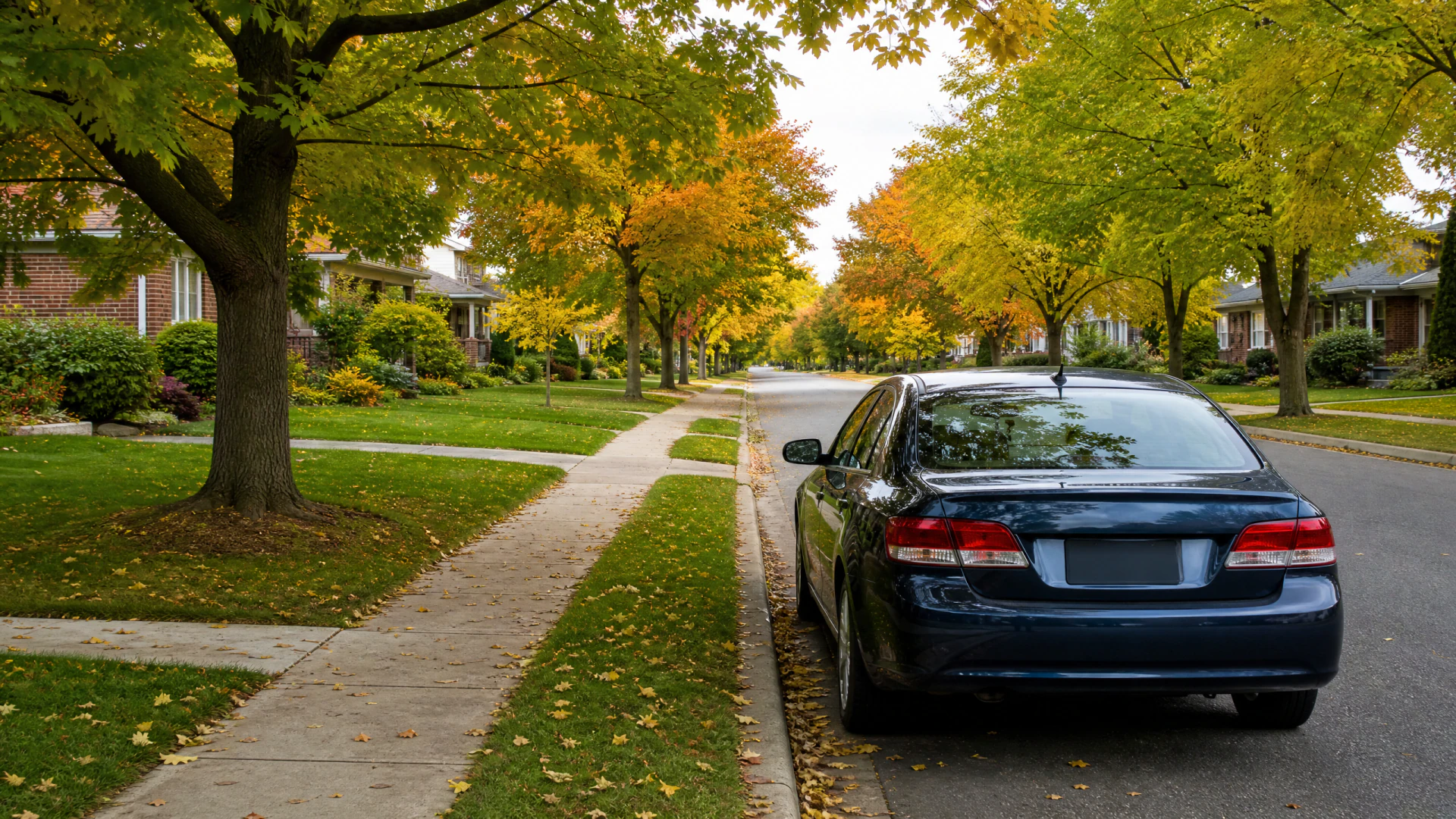
- Garage and address changes Where the car sleeps at night affects your rate, sometimes a lot. Update your insurer with the new address and garage status right away, since driving on an old address can affect a claim.

A couple who just moved and owns one newer car outright
A couple bought their first home and moved across town into a house with a garage, replacing the street parking they had for years. They had one car, paid off, worth a moderate amount, and a policy with liability limits set years ago when neither of them owned property. The home purchase meant lawsuits could now reach their equity, so the old limits suddenly felt thin for what they had to lose.
They raised their liability limits to match their new financial picture, checked whether bundling the new homeowners policy with their car insurer actually beat shopping separately, and updated their address and garage status so the policy reflected reality. They kept full coverage on the car since it was still worth enough that replacing it out of pocket would have been painful. The whole process took one sitting once they knew what to check, and they compared quotes afterward with those decisions already made instead of guessing while shopping.
How much liability coverage do I actually need after buying a house?
Enough to cover what you now have to lose, which is more than before you owned property. There's no single number that fits everyone since it depends on your home equity, savings, and state rules on what judgments can reach. Ask your agent what limits are available above the minimum and what an umbrella policy would cost to extend protection further, since home equity is often the reason people raise limits right after a purchase.
Should I bundle my car and home insurance with the same company?
Only if the combined price actually beats shopping them separately, which isn't guaranteed. Bundling discounts are real but insurers vary widely in how competitive they are on car coverage versus home coverage. Ask for the car policy priced on its own, then compare that same insurer's bundled price against a separate car insurer, so you're comparing the actual total rather than assuming the bundle wins.
Does parking in a garage actually lower my car insurance rate?
Often yes, since insurers weigh theft and weather risk when pricing a policy, and a garage reduces both. The effect varies by insurer and by how much risk your previous parking situation carried. Tell your insurer about the garage when you update your address, since this is sometimes missed in a move and left out of the new rate entirely.