Can You Just Transfer Insurance to Another Car
Most policies auto-cover a replacement car for a short window, but you still need to call and confirm it's listed correctly.
Your policy follows you, not the car, for a limited time
Car insurance is written to the person and the policy, not welded to one vehicle. That's why most insurers build in a grace period, often a couple weeks, where a replacement car picks up the same coverage you had on the old one automatically. This exists so you're not driving uninsured the moment you trade one car for another.
But automatic coverage is a bridge, not a permanent fix. The insurer still needs to know the actual car you're driving, because the vehicle itself changes the math. A newer car, a more expensive car, or a car with different safety features changes what it costs to repair or replace, and that changes your premium. If you never update the policy, you may be paying a rate based on a car you no longer own, and in a claim that mismatch can slow things down even if coverage technically applied.
There are also coverages that don't transfer cleanly. If you had a loan on the old car and carried coverage your lender required, that requirement doesn't automatically follow a new car, especially if the new one is paid off or financed differently. Comprehensive and collision amounts are often tied to the car's value, so what made sense for one car may be wrong for another.
What counts as a grace period, how long it lasts, and whether it applies to new purchases versus car swaps within your household varies by insurer and sometimes by state. Check your policy documents or call and ask directly, don't assume the timeline matches what a friend's policy allows.
The short version
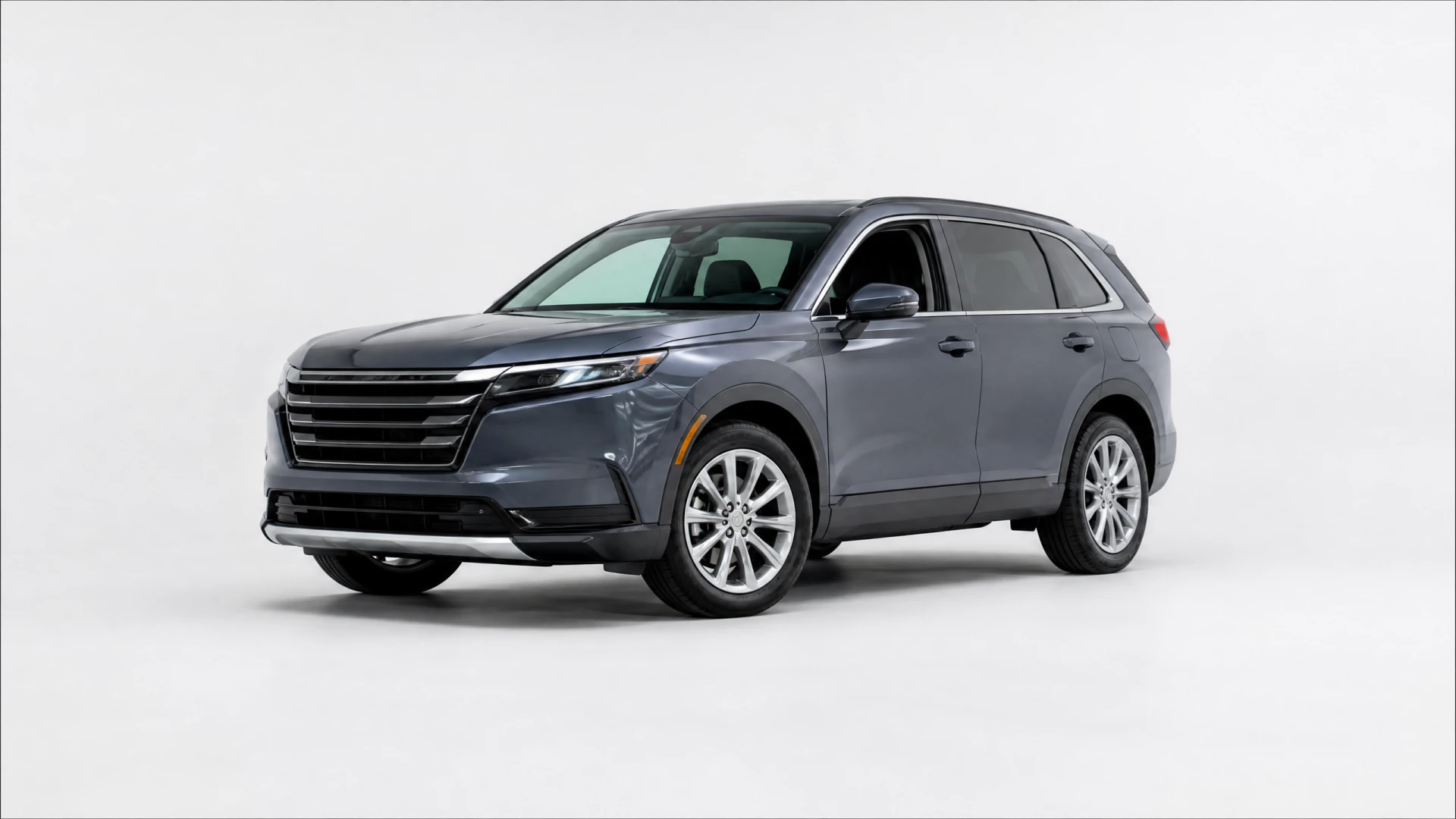
Yes, coverage usually carries over to a new car for a short window automatically, but that's a safety net, not a substitute for updating your policy. The car itself affects your rate and your coverage needs. Call your insurer as soon as you know which car you're keeping or buying so the policy matches reality.
Trading the old sedan for a newer SUV after the move
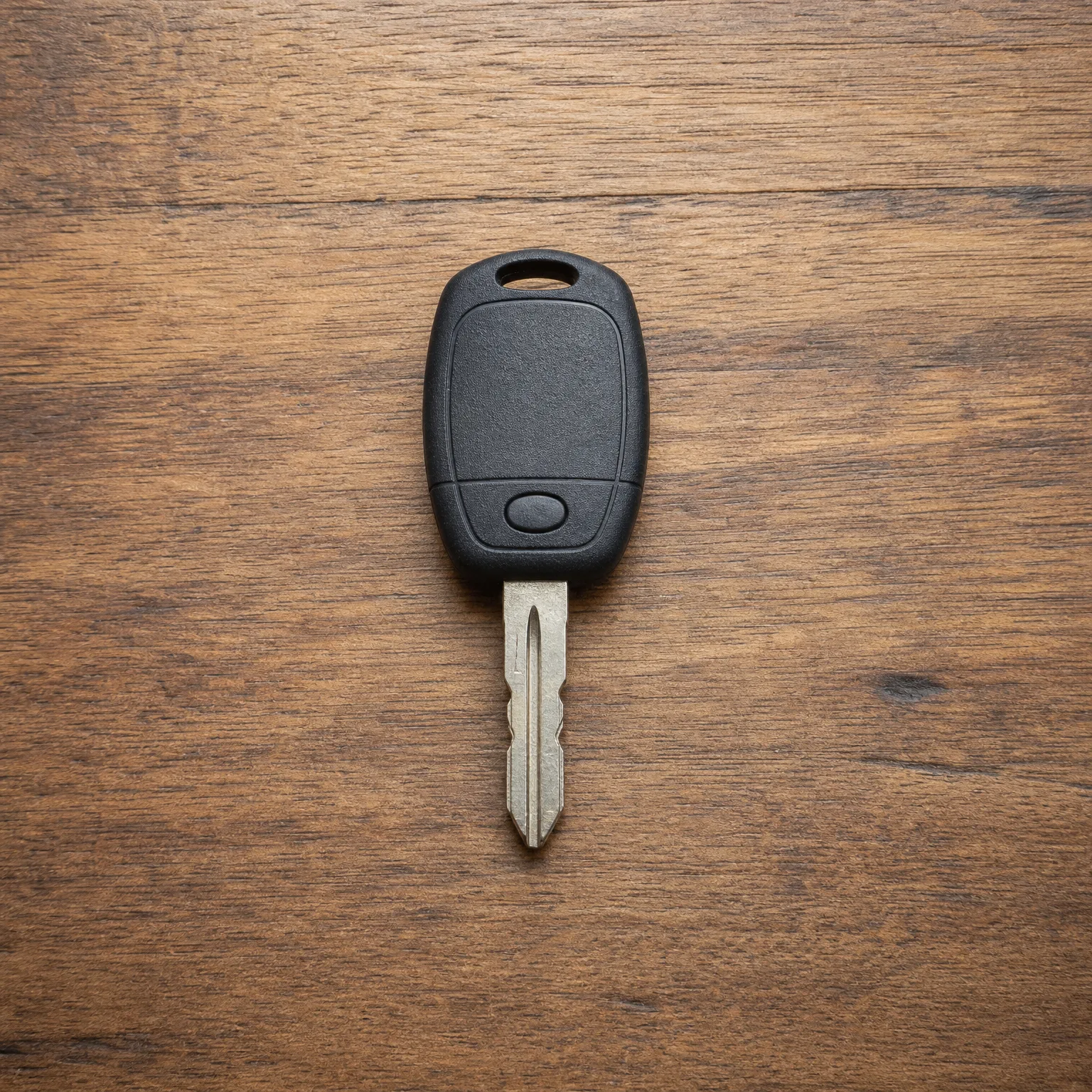
Say you sell the car you drove to your old job and buy a newer SUV better suited to a longer commute in the new neighborhood. You drive it home the same day, and technically you're still covered because your insurer's grace period picked up the new vehicle automatically. You didn't have to call before driving.
But a week later you call anyway, because the SUV is worth more and you want to make sure collision coverage actually matches its value. Your insurer updates the vehicle on file, adjusts the premium, and confirms your lender's required coverage is in place since the SUV is financed. The rate goes up slightly, but now the policy reflects the real car, the real loan, and the real coverage you'd need if something happened. Nothing had to be rushed, because you used the grace period for what it's for, a buffer, not a shortcut.
Once you know what the new car needs covered, compare quotes to see whether your current insurer still fits.
How long is the grace period before I have to update my policy?
There's no universal number, and this is one of the places where you shouldn't guess. Insurers set their own windows, and some states influence minimums too. The grace period might cover a replacement vehicle differently than it covers adding a second car to the household, so don't assume one rule applies to both situations.
The safest approach is to treat the grace period as emergency coverage, not a deadline you're allowed to use up. Call your insurer or check your policy declarations page as soon as you know which car you're keeping. If you're financing the new car, your lender will often require proof of updated coverage anyway, which forces the timeline. Waiting until the grace period runs out means risking a lapse you won't notice until you file a claim.

Does the grace period cover a car I just bought, not just one I'm replacing?
Usually yes, but confirm it, because some insurers treat a brand new purchase differently than swapping one owned car for another. The grace period exists to prevent a coverage gap, so it typically applies either way. What changes is how quickly you need to report it, since a newly financed car often has a lender requiring proof of insurance before you even leave the lot. Check your policy wording or call your insurer to see if purchase and replacement are treated the same.
Will my insurance rate change if I switch to a different car?
Almost certainly, because rates are based partly on the vehicle itself, not just you. A car's price, safety record, and repair cost all factor in, so moving from an older car to a newer or pricier one usually raises the premium, and the reverse can lower it. The only way to know the real number is to give your insurer the new car's details and ask for an updated quote. Don't assume the rate stays the same just because the grace period kept you covered.
Do I need to tell my insurer if I only added a car instead of replacing one?
Yes, adding a car is different from replacing one and your insurer needs to know either way. With an addition, you now have more vehicles to insure, not a swap, so the policy needs a new line item rather than an update to an existing one. This is also when multi-car discounts often kick in, but only if the policy reflects every vehicle you own. Call and specify that it's an addition, not a replacement, so the paperwork matches what's actually in your driveway.