Can You Transfer Car Insurance to a New Owner
No, a car insurance policy belongs to the person who bought it, not the car, so it can't follow the car to its new owner.
Selling the second car after the move
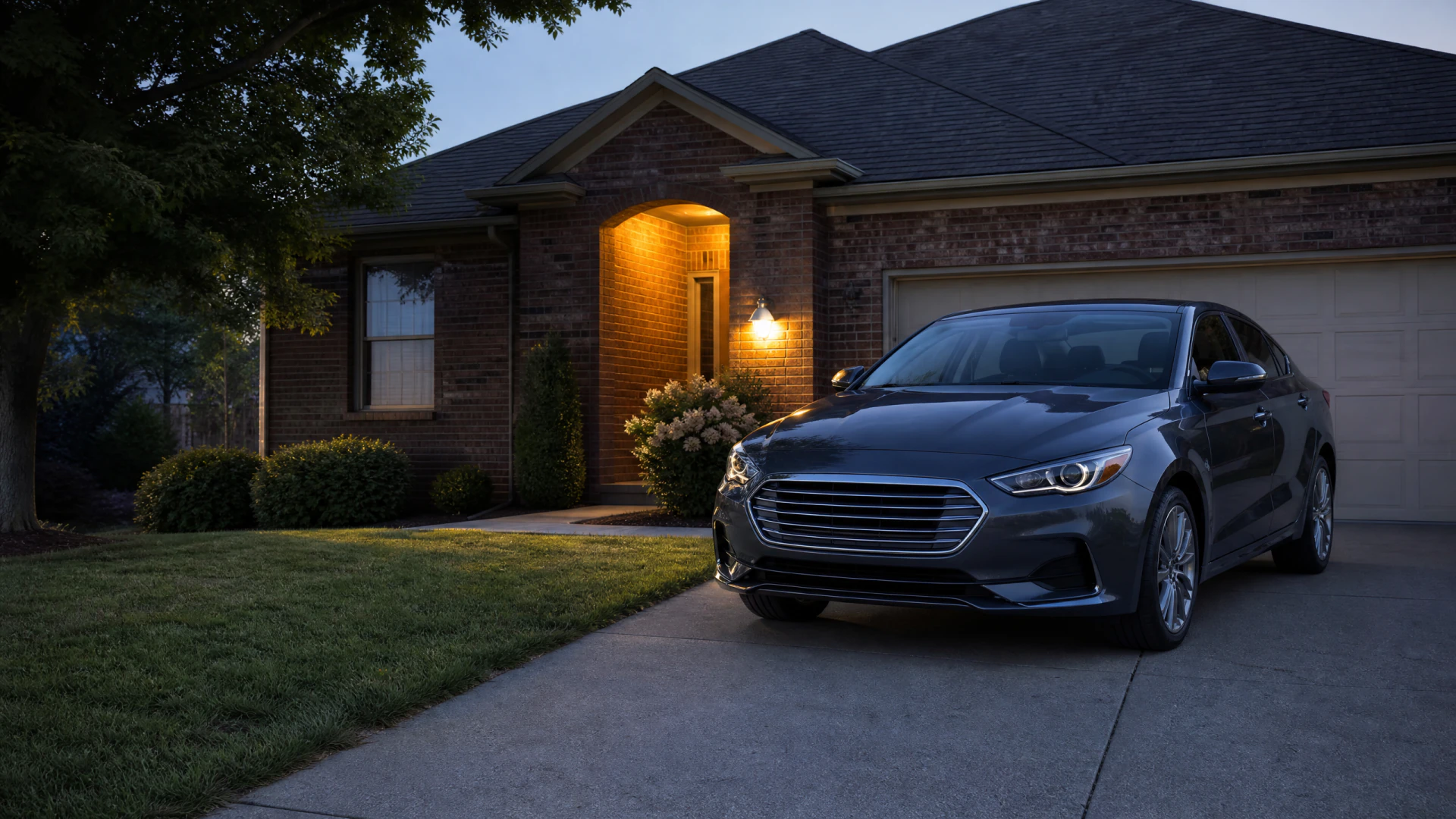
After buying the house, you and your partner ended up with a car neither of you needed anymore, so you sold it to a neighbor. The neighbor assumed your policy would just carry over to them since the car already had coverage, and you assumed the same thing until you called your insurer to ask.
Your insurer explained that your policy only covers people listed on it, so the moment the sale happened, your coverage on that car needed to end and the neighbor needed their own policy before driving it home. You removed the car from your policy the same day, which lowered what you were paying, and the neighbor got a new policy started before picking it up. It turned out simpler than either of you expected, just not automatic the way you'd assumed.
What happens to insurance when you sell your car?
Your policy stops covering that car the moment you hand over ownership, and it's on the buyer to have their own coverage in place before they drive it anywhere, even around the block.
You should call your insurer as soon as the sale is final to take the car off your policy, since leaving it on means paying for coverage you no longer need. The buyer should do the same with their insurer before taking possession, not after, because driving uninsured even for a short trip home is a real risk. If you're buying from someone else, treat it the same way in reverse. Neither side can rely on the seller's policy to bridge the gap, even briefly.

Now that you know what transfers and what doesn't, compare quotes to get the new owner covered from day one.

What actually happens when a car changes owners
- The policy stays with the seller Insurance is tied to the person who bought it, not the vehicle, so it never automatically moves to whoever buys the car next.
- Buyer needs coverage first Coverage has to be active before the buyer drives the car anywhere, even a short trip, since there's no grace period for a car that just changed hands.
- Remove the car right away Call your insurer as soon as the sale closes so you stop paying for a car you no longer own and avoid any confusion about who's covered.
- Private sales vs trade-ins Selling to a dealer or trading in usually gets handled through the dealership's paperwork, but a private sale puts responsibility on both people directly.
- State rules on timing vary Some states have specific rules about coverage during a sale or transfer window, so check with your insurer or state DMV if the timing feels uncertain.
Why coverage follows the person, not the car
An insurance policy is really a contract between an insurer and a specific driver, built around that driver's history, their other vehicles, and the risk they represent. The car is just the subject of the contract, not a party to it. That's why the coverage can't simply follow the car to someone else, the new owner has an entirely different risk profile and needs their own agreement with an insurer.
This also explains why there's no safe gap between owners. If coverage could transfer automatically, insurers would have no way to price the risk of an unknown new driver before they ever got behind the wheel. So the system is built to require a deliberate handoff, the seller ends their coverage, the buyer starts theirs, and there's no moment where the car is supposed to be uninsured but still driven.
Where this gets more complicated is with jointly owned cars or cars kept within the same household. If you're removing a car from your policy because your partner is taking it over and insuring it separately, that's still a real transfer even though the car never left the driveway, and it should be handled the same way as a sale to a stranger. Lenders also complicate things if there's still a loan on the car, since the car usually can't be sold or transferred until the loan is satisfied or the lender signs off.
The one place this can look different is total loss or salvage situations, where a vehicle's insurance history can affect what coverage looks like for its next owner, even though the policy itself still doesn't transfer. Any insurer can tell you how that applies to a specific vehicle if it comes up.

Insurance protects the driver, not the car, so every ownership change needs a real handoff.