How Do I Change from One Car Insurance Company to Another
You buy the new policy first, give it the exact effective date you want, then cancel the old one the same day.
The order protects you, and the timing protects your wallet
Switching works because your coverage has to be continuous. A lender, a state, and your own safety all assume you have a policy active every single day you own or finance a car. The moment there's a gap, even a short one, it shows up later as a red flag to insurers and sometimes as an actual lapse that affects your rate. So the safe order is new policy bound first, old policy canceled second, both dated to line up exactly.
Underneath that, what's really happening is two separate contracts that don't know about each other. Your new insurer doesn't automatically notify your old one, and your old one won't stop charging you just because you stopped using them. You're the one connecting the two actions, so nothing happens unless you make it happen on both ends.
Your new address changes the math your new insurer runs. Zip code, parking situation, and distance to work all factor into risk the same way everywhere, though exactly how much and which factors matter most varies by insurer and by state. If you bundled with the home policy your lender required, that bundle might also move your car insurance pricing, so it's worth checking both at once rather than assuming the old car policy is still accurate.
Where this gets different is if you're mid-term on the old policy versus renewing. Mid-term switches usually come with a prorated refund for the unused days, while waiting for renewal avoids that paperwork but means you're locked in until then. Either path works, but check your old insurer's refund policy and any cancellation fee before you commit to timing.

A couple switching after their move and their first home closing
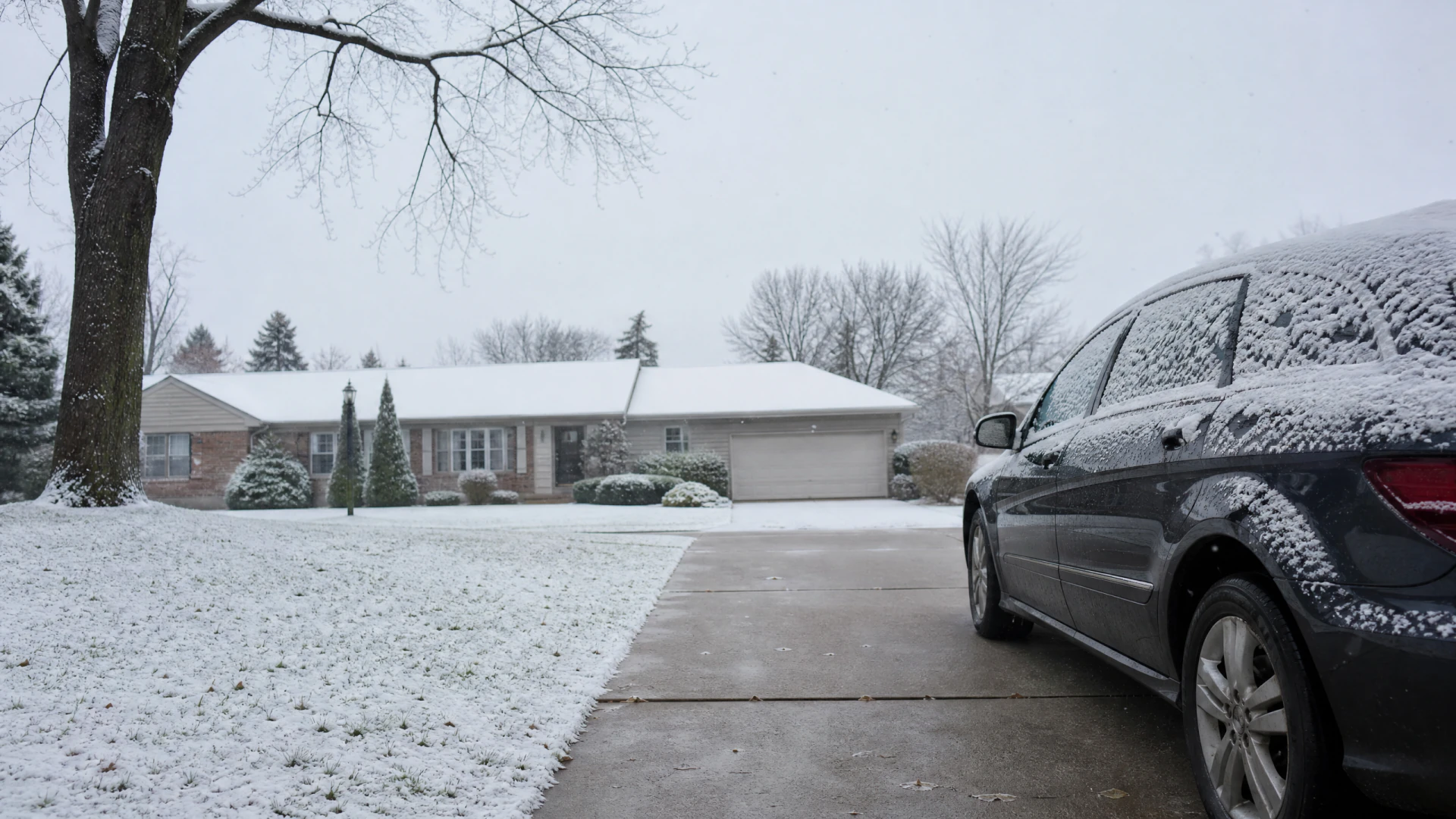
A couple had just closed on their first house. Their car insurance was years old, still priced for their old apartment and old commute, and now one of them had a much shorter drive while the other worked from home most days. They weren't sure if that changed anything, so they called their current insurer first just to ask. It didn't go anywhere useful, so they decided to get quotes elsewhere using their new address and the fact that one car was now mostly parked in a garage.
They found a quote that was lower than what they were paying, factoring in the garage and shorter commute, and it also let them bundle with the new homeowners policy for an additional discount. They set the new policy to start the same day their old one was due to renew, so there was no proration to deal with and no overlap. They called the old insurer on that date, canceled, and got written confirmation by email. Three weeks later they got a small refund check they hadn't been expecting, from a few prepaid days on the old policy that hadn't been used yet.

Your old policy still prices the old address. Moving is a pricing event your insurer never catches alone.
Compare quotes now, using your new address and garage, to see what you're actually owed.

What to line up before you cancel anything
- New policy effective date Set this to the exact day you want coverage to start. Make sure it's before or equal to your cancellation date, never after.
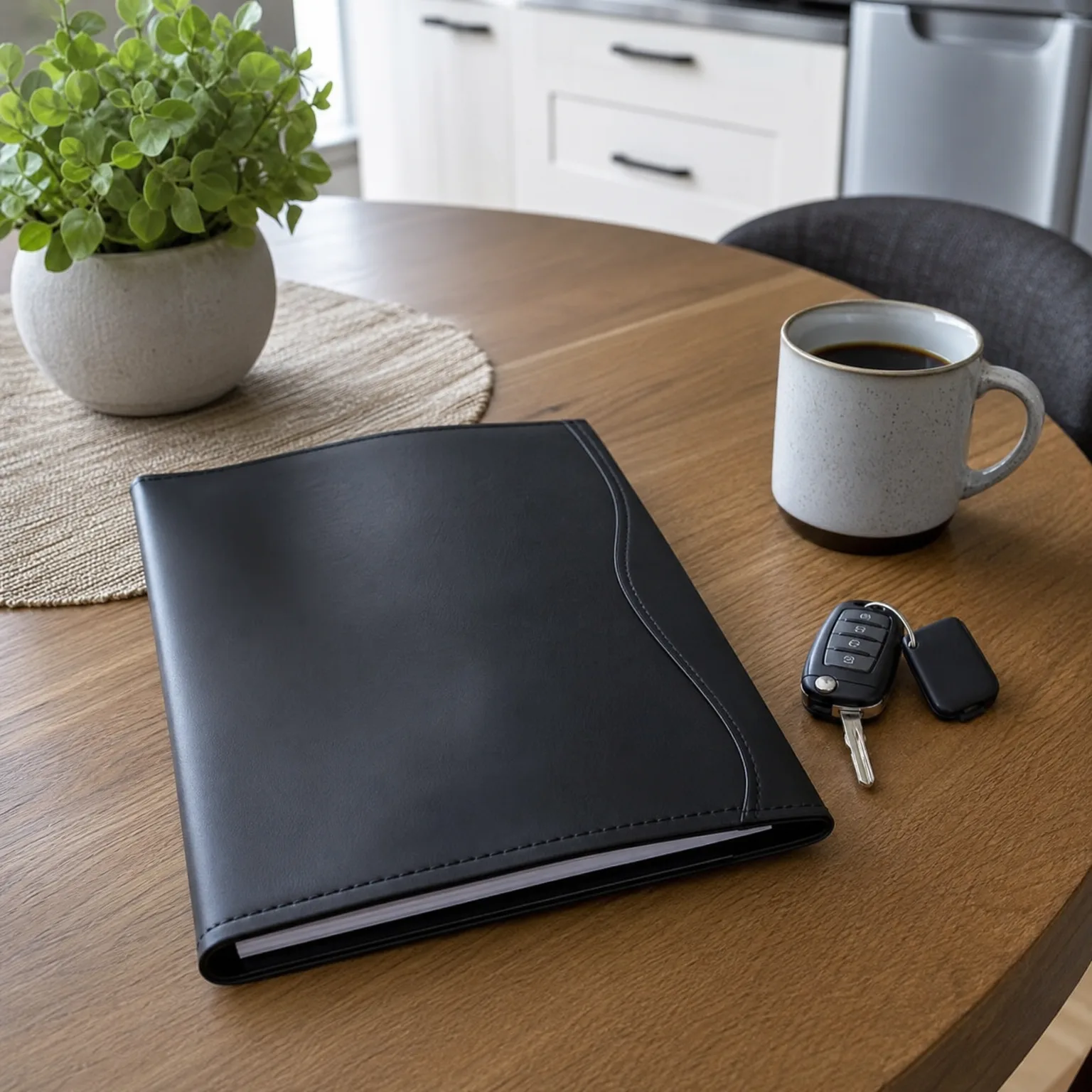
- Proof of prior coverage Save your old policy's declarations page. Some insurers ask for it to confirm you didn't have a lapse.
- Cancellation in writing Call your old insurer but also get email or written confirmation. Verbal cancellations can get lost or misdated.
- Refund for unused days Ask directly if you're owed a prorated refund. It isn't always automatic, and policies differ on how it's issued.
- Lender or lienholder notice If you have a car loan, your lender may need proof of the new policy. Send it yourself rather than assuming insurers coordinate it.

Will switching car insurance hurt my credit or show up as a lapse?
No, switching itself doesn't hurt your credit, and it only becomes a lapse if there's an actual gap in coverage dates. Insurers check your prior coverage history, not a credit bureau, when they ask about lapses. What matters is the paperwork lining up, so keep the declarations page from your old policy and the confirmation email from canceling it. If you let the old policy lapse before the new one starts, even by a day, that gap can raise your rate at your next renewal, so the fix is simply getting the dates to overlap by zero, not negative.
Does bundling home and auto insurance actually save money?
Often yes, but it depends on the insurer and your specific situation, so the only way to know is to get a combined quote and compare it to separate ones. Bundling discounts exist because insurers want to keep more of your business under one roof, and they price accordingly. It's not guaranteed to be cheaper than the best separate prices you could find elsewhere, so treat it as one option to check rather than an automatic win. Ask for the bundled price and the standalone price side by side before deciding.
Do I need to tell my new insurer about my garage or new commute?
Yes, tell them, because both details affect your rate and your coverage accuracy. A garaged car is considered lower risk than one parked on the street, and a shorter commute usually means fewer miles driven, both of which insurers factor into pricing. Leaving out these details doesn't just risk overpaying, it can also affect a claim if the insurer later finds your stated usage didn't match reality. Update this information any time your parking situation or driving habits change, not just when you first switch.