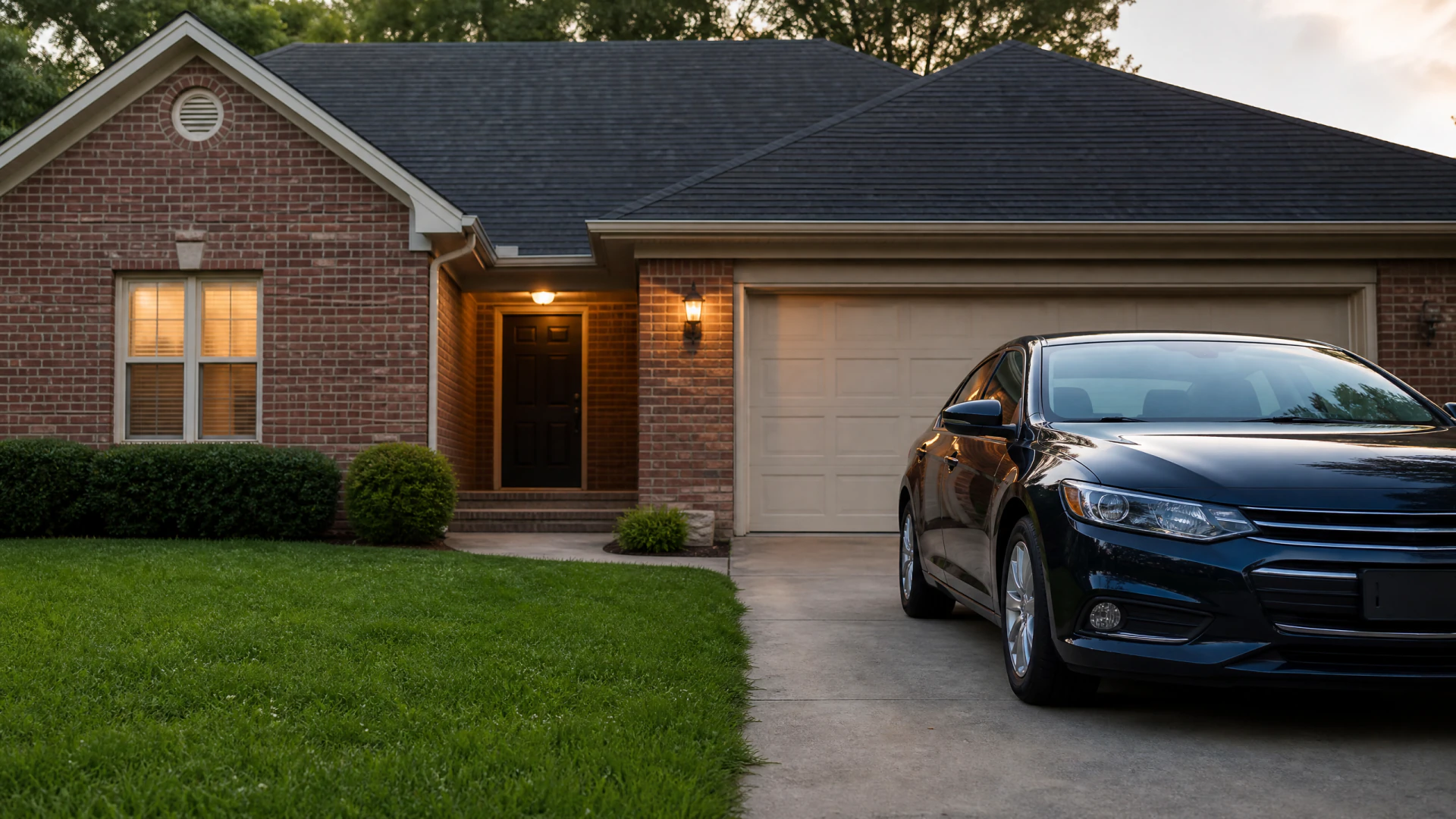
Can You Ask Your Insurer to Lower Your Premium
Yes, you can ask, and insurers expect it, especially right after a move when your coverage no longer matches your life.

What actually changes the number when you ask
- New address on file Your zip code is already part of the rate, so make sure it reflects your new home. This alone can shift the premium up or down depending on the area.
- Garage or driveway parking Telling your insurer the car is garaged overnight instead of parked on a street can lower the rate. Ask specifically if this applies to your new home.
- Bundling home and auto Combining your new homeowners policy with your car insurance often unlocks a lower combined rate. Ask your current insurer directly before assuming you need to switch companies.
- Dropping unused coverage If a car is driven less now or one of you has a shorter commute, mention it. Mileage and usage affect pricing and insurers won't adjust it unless you say something.
- Asking about every discount Insurers don't automatically apply every discount you qualify for. Ask directly what you might be missing now that your address and household details have changed.
Will asking for a lower premium reduce my coverage?
Not if you ask the right way. Lowering your premium and lowering your coverage are two different conversations, and you control which one you're having.
When you call, be specific. Say you want to review your rate given your new address and ask what discounts or adjustments apply, not that you want to cut your limits. A good agent will look at things like garaging, bundling, and mileage first, since those change the price without touching what you're protected against.
If an insurer's only answer is to reduce your liability limits or drop coverage, that's a sign to compare quotes elsewhere rather than accept a thinner policy. The honest adjustments, like updated address, garage parking, or bundling, usually bring the price down without any tradeoff. Ask for those by name, and treat any suggestion to cut coverage as a separate decision you make deliberately, not one that happens by default during a rate check.

Now that you know what to ask for, compare quotes to see if your insurer's answer is really the best one out there.

A couple calls after their first month in the new house
A couple moved into their first home in early fall. They had two cars, one parked in a new garage every night, and a homeowners policy their lender required through a company neither of them had used before. Their car insurance was still tied to the old apartment's zip code and they hadn't thought to update it. One evening they called their auto insurer just to change the address and mentioned, almost as an afterthought, that the car was now garaged instead of parked on the street.
The agent asked a few more questions and found that bundling the new homeowners policy with their existing auto policy qualified them for a combined discount. The agent also noted one of them was now driving fewer miles to work. None of this required them to lower their coverage or take on more risk. The call took under twenty minutes, and by the end they had a lower premium and a clearer sense of what else to check next time something in their life changed, like adding a car or renewing the homeowners policy.

Your premium reflects details you haven't updated yet. Updating them is your job, not your insurer's.
Does calling to ask for a lower rate hurt my insurance history?
No, asking about your rate or requesting adjustments doesn't affect your record the way a claim does. Insurers expect these calls, especially after a move. What does affect your history is at-fault accidents or claims, not questions about pricing. If you're unsure, ask the agent directly whether anything about the call gets logged in a way that matters, so you have a clear answer for your specific insurer.
How often should I shop around after switching to a new home?
A reasonable rule is to compare quotes whenever something major changes, like your address, the cars in your household, or your coverage needs, and otherwise every year or two regardless. Rates shift even when your situation doesn't, because insurers reprice risk across their whole book of customers. Check your renewal notice each time it arrives and treat it as a prompt to compare, not just a bill to pay.
Should I raise my deductible to lower the premium further?
It can lower your premium, but only if you can comfortably pay that higher deductible out of pocket after an accident. This is a separate decision from the adjustments described above, since it shifts risk onto you rather than just correcting outdated details. Think about how tight money feels right now and whether a higher deductible would create real stress if you needed to use it.