How Do I Get My Car Insurance Premium Lowered
You lower it by updating what the insurer knows about you, then comparing that against what other insurers would charge.
A couple who moved and only checked the house side
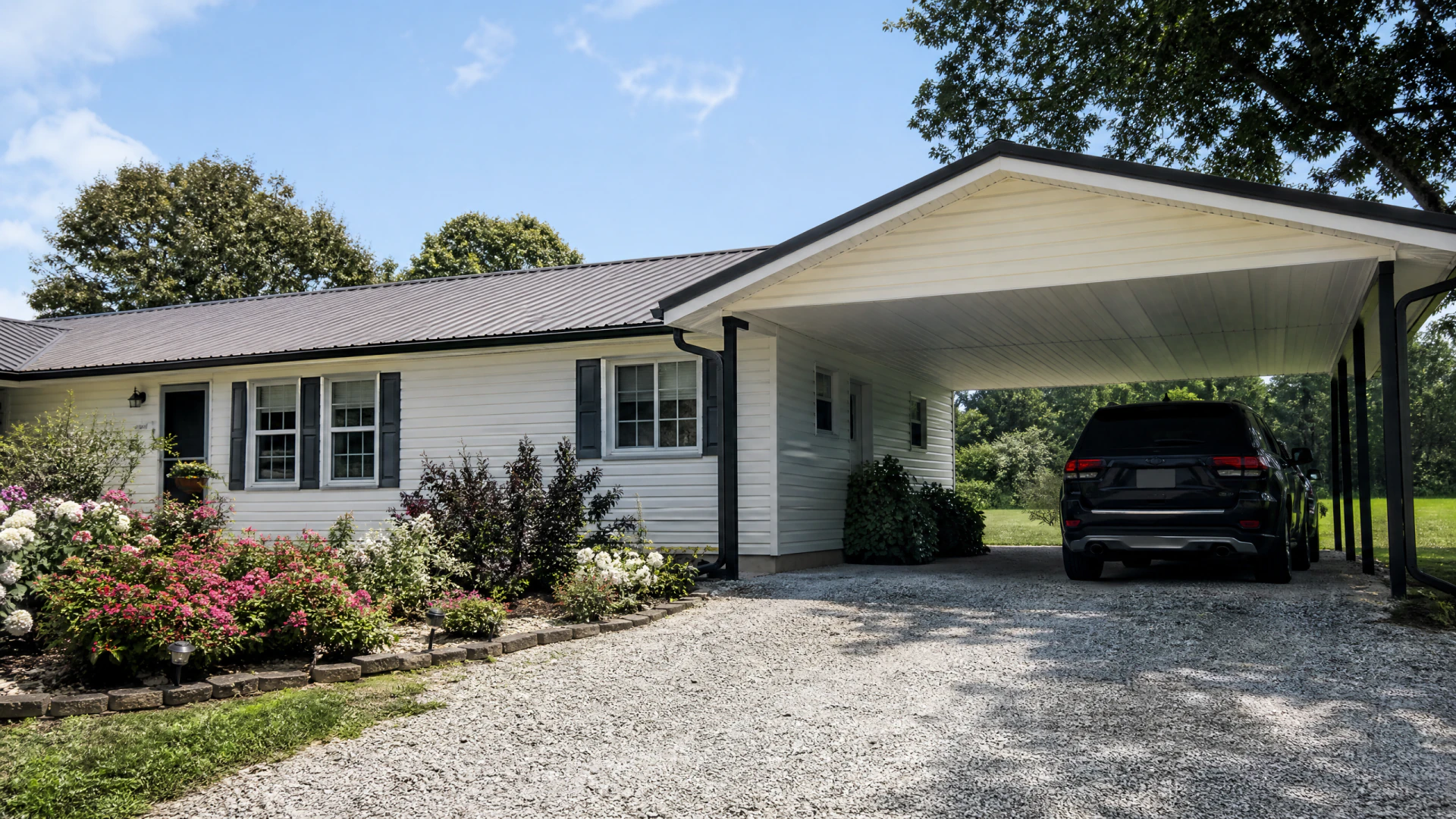
A couple bought their first home and put most of their attention into the homeowners policy, since the lender required it and the deadline was fixed. The car policy sat untouched, still listing the old address and the detail that both cars used to park on the street. They assumed the premium was just automatically right because nothing bad had happened on the road.
A few weeks after closing, one of them finally called their agent to ask about bundling. Updating the address changed the rating territory, and mentioning the new garage knocked another piece off the price. Bundling the auto and home policies added a further discount on both. They also asked for a comparison at a higher deductible and a competitor quote with the same limits. The final premium came in lower than before the move, not because anything about their driving changed, but because the policy finally matched their actual life.
Will asking for a lower premium make my insurer raise it instead?
No. Asking questions or requesting a review does not trigger a rate increase. Insurers reprice based on changes to your risk profile, like address, vehicle use, claims, or coverage choices, not based on the fact that you called.
The only way a conversation raises your premium is if it surfaces something that increases risk, like revealing a longer commute or an additional regular driver who wasn't on the policy. That's not a penalty for asking, it's the policy catching up to reality. If anything, staying quiet and letting incorrect information sit on your policy is the riskier move, since it can cause bigger problems later if a claim exposes the mismatch.

Your premium reflects old information until you correct it, so updating details beats negotiating.
Once you've updated your details and settled on the coverage you need, compare quotes to see what that's worth.

What actually moves the number down
- Update your address Your new zip code changes how your risk is rated, for better or worse. Give the insurer the exact address now instead of waiting for renewal.
- Report the garage A car parked in a garage overnight is often rated lower than one parked on the street. Tell your insurer where the car actually sleeps.
- Bundle home and auto Combining both policies with one insurer often unlocks a discount on each. Ask your current insurer for a bundled quote before assuming you have to switch.
- Revisit your deductible A higher deductible usually lowers your premium but raises what you pay after a claim. Choose a number you could cover in cash without strain.
- Shop a fresh quote Loyalty doesn't guarantee you the best price over time. Get a comparable quote elsewhere with the same coverage and limits to see where you stand.
Why your premium moves the way it does
Insurers price a policy based on risk signals, and your address is one of the strongest. Where you live affects theft rates, accident frequency, weather exposure, and repair costs in your area, so moving changes the math even if your driving habits stay exactly the same. This is why updating your address isn't paperwork, it's the single biggest lever most new homeowners haven't pulled yet.
Bundling works differently. It's less about risk and more about the insurer wanting to keep more of your business under one roof, so they're willing to discount both policies to secure that. This is a business decision on their end, not a reflection of you being lower risk, which is why it's worth asking for even if nothing else about your situation has changed.
Deductible and coverage choices shift who absorbs the cost of a claim. Raising your deductible lowers your premium because you're agreeing to carry more of the risk yourself before insurance kicks in. This only makes sense if you have the cash on hand to cover that gap, otherwise the saving isn't real, it just moves the cost to a worse moment.
Where this plays out differently is by state and by insurer. Some states limit how much address or credit history can affect pricing, and some insurers weight garage parking or bundling more heavily than others. Because of this, the same change can lower your premium significantly with one insurer and barely move it with another, which is exactly why comparing quotes after making these updates matters more than guessing which one works best.