Can a PO Box Be Used for Car Insurance
No, insurers need the physical address where your car is kept, though a PO box can still work for mailing your documents.
Insurers price risk by location, not by where your mail goes
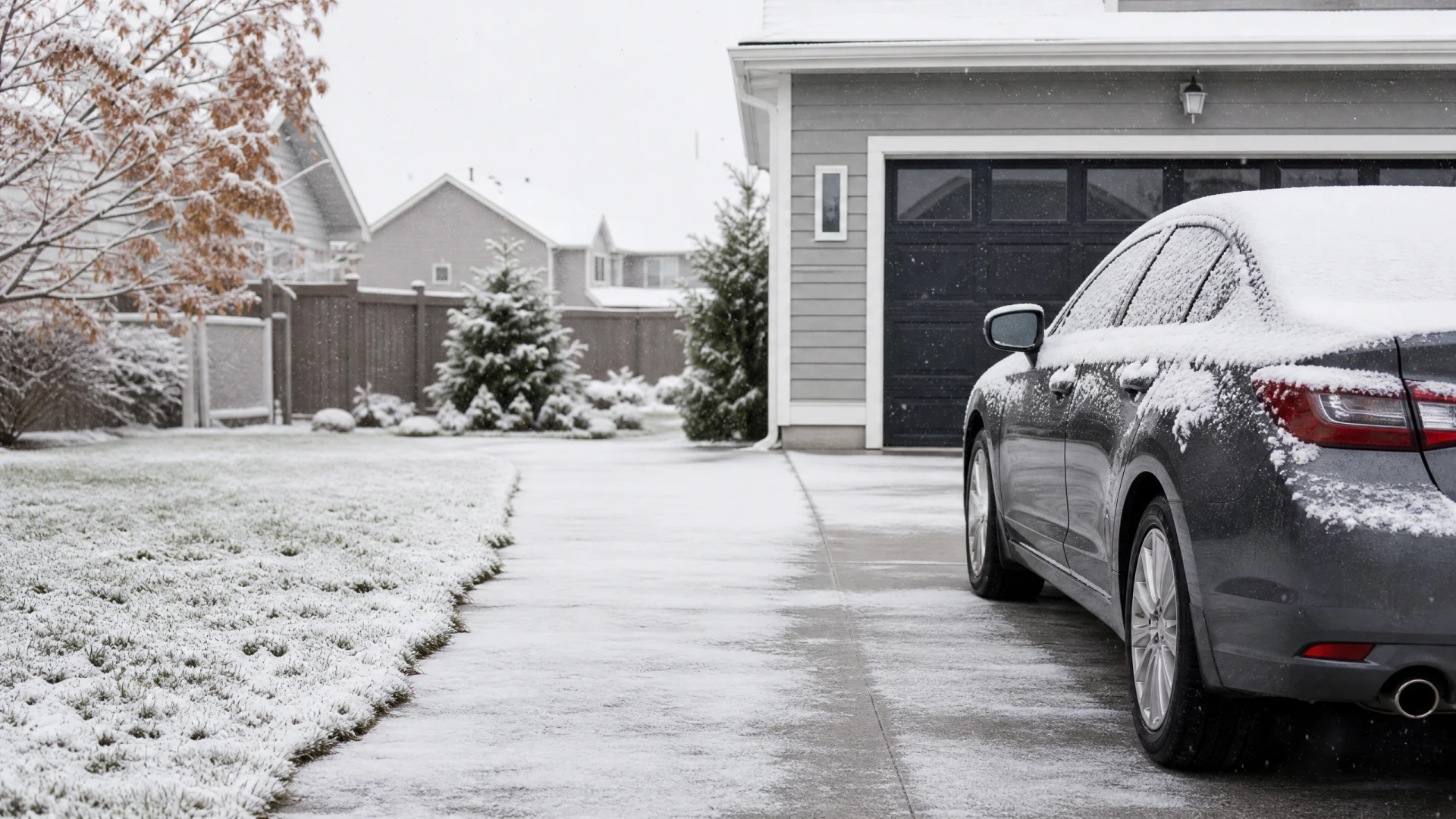
Your car insurance rate is built around where your car actually sits overnight. That's the address insurers use to judge theft rates, accident frequency, weather exposure and local claim costs in your specific area. A PO box doesn't tell them any of that, so it can't stand in for the address on your policy.
This is why moving into your new home changed more than your mailing habits. Your garage, your new zip code and your new neighborhood all feed into how your car is priced, even if your coverage limits stay exactly the same. The insurer needs to know where the risk actually lives.
Where a PO box still works is on the mailing side. Many insurers let you set a separate mailing address for bills, cards and renewal notices, especially useful if you travel often or prefer mail sent somewhere more secure than your home. The physical address requirement and the mailing address option are two different fields on the same application, and most companies keep them clearly separate.
What varies is how strict insurers are about proving your physical address and what happens if that address and your mailing address differ. Some ask for a lease, deed or utility bill to confirm where you live, especially right after a move. Check with your insurer directly on what proof they want, since this differs company to company and sometimes state to state.
What to do about your address now that you've moved
- Update your garaging address This is the physical location your car is kept overnight, not your PO box. Tell your insurer as soon as you move since it directly affects your rate.
- Set a mailing address separately If you want bills and cards sent to a PO box, ask if your insurer supports a separate mailing field. Most do, but confirm it before assuming.
- Have proof ready if asked A lease, deed or utility bill may be requested to confirm your new physical address. Keep one handy so the update isn't delayed.
- Recheck your policy after moving A new zip code, a garage, or a new commute can all shift your rate up or down. Use this moment to see what changed, not just update an address.
- Ask about bundling now Since you already have a homeowners policy, ask if combining it with your car policy lowers either cost. Compare that combined offer against separate quotes before deciding.

Whether you update your address right after moving
If you do
Your rate reflects where you actually live, so your coverage is accurate if you ever file a claim. Your insurer has current records, mail and renewal notices reach you without delay, and there's no gap between what you reported and where your car sits each night.
If you don't
Your policy still lists your old address, which can affect a claim if the insurer finds your car was garaged somewhere else. You might also miss a rate change, good or bad, tied to your new location, and renewal notices could go to the wrong place.
Now that you know your physical address has to be accurate, compare quotes to see what your new location actually costs.
What if you live somewhere that only has a PO box, like a rural route?
Insurers still need a physical description of where your car is kept, even in areas without standard street addresses. This might be a rural route number, a lot number, cross streets, or GPS coordinates depending on what your insurer accepts. Call your insurer directly and explain your situation, since this comes up often enough in rural areas that most companies have a standard way to handle it.
What won't work is leaving that field blank or substituting the PO box as if it answers the question. The insurer needs somewhere to anchor their risk assessment, and they have ways to do that even without a conventional address. Ask specifically what format they need before you fill out the application, so you're not guessing or getting flagged for incomplete information later.
A couple who moved and tried to keep their old mailing setup
A couple bought their first home and kept using the PO box they'd had for years, the one they trusted for secure mail delivery. When they called their insurer to update their policy, they listed the PO box as their address without thinking twice, since that was the address they always gave people.
The insurer flagged it right away and asked for the physical address where the car would be garaged. The couple gave their new home address instead, and the insurer explained they could still keep the PO box as a separate mailing address for bills and the renewal notice. The couple's rate adjusted slightly because of the new zip code and the garage, but nothing else about their coverage changed. Their mail kept arriving at the PO box exactly as before, and their policy now accurately reflected where the car actually lived.
Does my car insurance rate change when I move to a new address?
Yes, your rate can change because insurers reprice based on your new location's theft rates, accident history and weather risk. It might go up or down depending on the area. Check with your insurer right after moving so your coverage and rate reflect where you actually live, not your old address.
Can I use a PO box for my driver's license address?
Usually no, most states require your physical residential address on your driver's license, not a PO box. This is separate from your insurance policy but often checked together. Confirm with your state's motor vehicle agency since the rule and any exceptions vary by state.
Should I bundle my new home and car insurance together?
It depends on whether the combined price beats what you'd pay for each separately, so you have to compare both ways. Bundling can simplify your bills and sometimes lowers cost, but not always. Get a bundled quote and separate quotes side by side before deciding.