Will My Insurance Increase After a Theft Claim
Yes, a theft claim can raise your rate, but usually less than an at-fault accident would.
Theft counts against you, but not like a crash does
Car theft falls under comprehensive coverage, the part of your policy that handles things that happen to your car when you're not driving it. Insurers treat these claims differently from at-fault accidents because you didn't cause the loss. Still, filing any claim tells your insurer something about the risk of insuring you, and that can nudge your rate up at renewal.
How much it moves depends on your specific insurer's rules, your claims history before this one, and sometimes your state. Some insurers forgive a first comprehensive claim entirely. Others factor in where you live, since a car stolen from a driveway in a high theft area signals ongoing risk even if the theft itself wasn't your fault.
The size of the claim matters too. A stolen car that gets recovered with minor damage costs the insurer less than a total loss, and smaller payouts tend to move your rate less than large ones. If you carry a low comprehensive deductible, you may also be weighing a small rate increase against a claim payout that's worth filing anyway.
The exception is if the theft happened under circumstances the insurer sees as preventable, like leaving the car unlocked with keys inside. That can be treated more like a judgment issue than bad luck, and it may affect your rate more than a theft that was clearly not avoidable. Check your policy or ask your insurer how they classify comprehensive claims before you decide whether to file.

The short version
A theft claim can raise your rate, but usually by less than an at-fault accident would, since it falls under comprehensive coverage rather than liability. How much depends on your insurer's rules and your claims history. Ask your insurer directly how they treat comprehensive claims before deciding, then compare quotes to see where you actually stand.

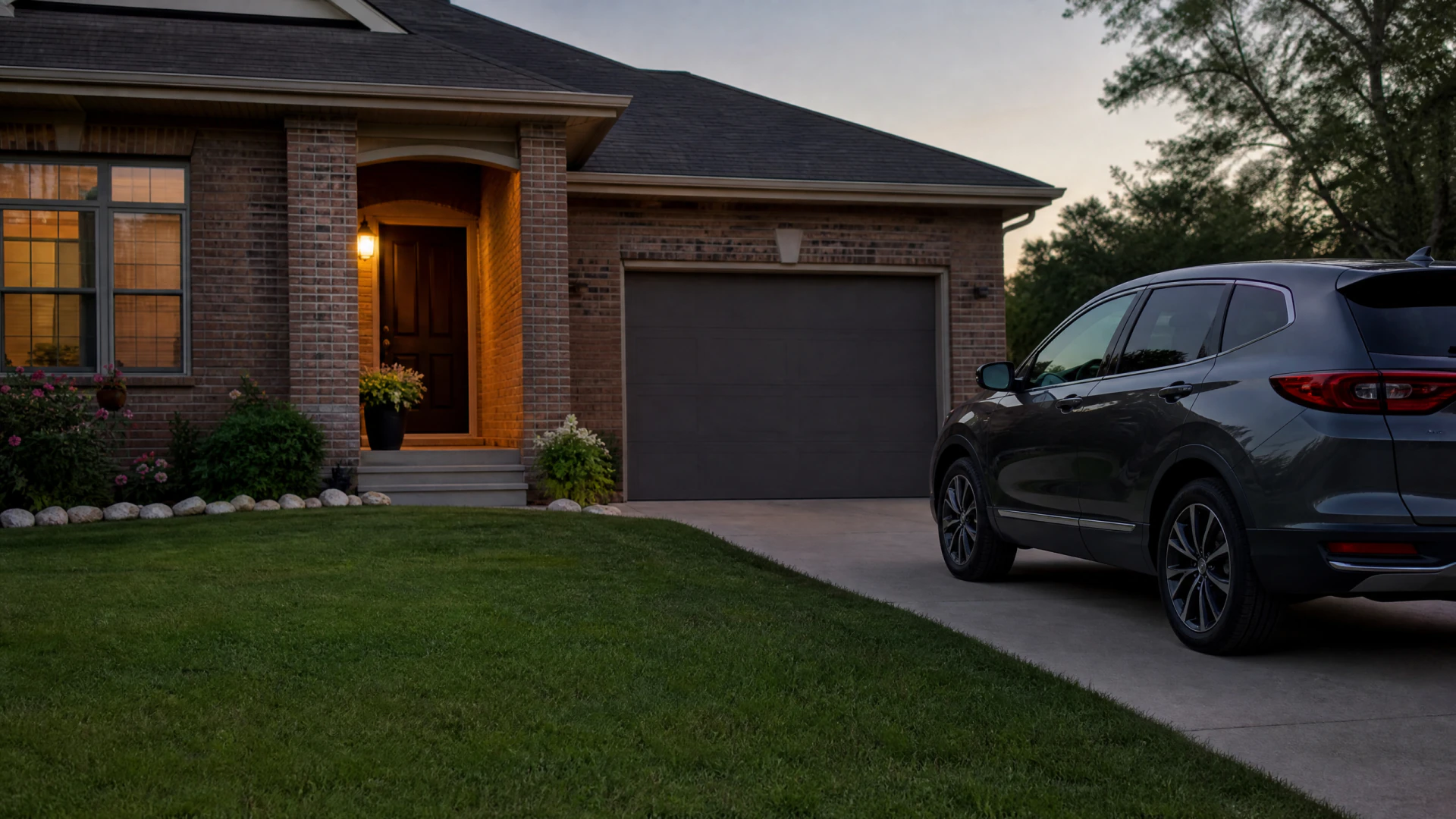
A car stolen from a driveway overnight
A driver who'd just moved into a new neighborhood left their car in the driveway instead of a garage, and it was stolen overnight. They filed a comprehensive claim, the car was recovered two weeks later with damage to the ignition, and the insurer paid for repairs after the deductible. At renewal, their rate went up slightly, not because the theft was their fault but because the insurer had now paid out on a claim tied to their address.
They asked their insurer directly why the rate moved and learned it was a modest adjustment tied to claims frequency, not a penalty for the theft itself. They also learned that parking in a garage going forward could help at the next renewal, since insurers sometimes ask about overnight parking location. They decided to compare quotes anyway, since moving had already changed their address and their rates elsewhere, and found a comparable policy for less than their renewal offer. The theft claim followed them, but it wasn't the deciding factor in what they ended up paying.
Compare quotes now that you know a theft claim likely means a modest increase, so you can see your real options.
Should I even file a claim for a stolen car?
In almost all cases, yes, especially if the car isn't recovered or needs significant repair, since the value of the claim payout usually outweighs a modest rate increase. A stolen car is often a total loss or close to it, and comprehensive coverage exists for exactly this situation.
The only time it's worth pausing is if the theft caused minor, inexpensive damage and you carry a high deductible, because then the payout might be small enough that filing isn't worth the dent to your claims history. Even then, run the numbers before deciding. Call your insurer, ask what you'd actually receive after your deductible, and weigh that against the rate impact they describe for your situation specifically.

A theft claim isn't a mark against your driving, so don't let that fear stop you from filing one you're owed.
Does comprehensive coverage go up in price after any claim?
It can, but not automatically, since insurers weigh comprehensive claims differently from at-fault ones and some offer forgiveness for a first claim. Check whether your policy has claim forgiveness built in or available as an add-on. What changes the answer is your claims history overall, since a theft claim on top of other recent claims moves the needle more than one isolated incident.
Will removing comprehensive coverage lower my rate after a theft?
It would lower your premium, but it also means no coverage if your car is stolen again or damaged by something other than a collision. This only makes sense if your car is old enough that comprehensive payouts would be small anyway. Check your car's value against what comprehensive coverage actually costs you before dropping it, since the math changes a lot with an older car.
Does bundling home and auto insurance affect how a theft claim is handled?
Bundling doesn't change how the theft claim itself is processed, since auto and home claims are evaluated separately even under one insurer. It can affect your overall discount if your insurer reduces bundling discounts after claims on either policy. Ask your insurer directly whether a claim on one policy affects pricing on the other, since this varies by company.