Will My Insurance Go Up if My Parked Car Gets Hit
If another driver hit your parked car and you have their information, your rates typically stay the same.
A new homeowner's parked car gets dented in a lot
You park at the grocery store after moving into the new house, and when you come back out there's a deep dent in the rear door with a note tucked under the wiper. The note has a name, a phone number, and an apology. You call your insurer, open a claim against the other driver's policy, and give them the note as proof it wasn't your fault.
The repair gets paid through the other driver's liability coverage, not yours. Because you weren't driving and you weren't at fault, your insurer records the claim but doesn't treat it as something you caused. When you get your renewal a few months later, the price hasn't moved because of that claim. The only thing that changed your premium was the new zip code you'd already updated when you moved.
What if the other driver doesn't have insurance or just drives off?
Then the outcome depends on what coverage you already have, not on anything you did wrong. If you carry uninsured motorist property damage or collision coverage, you can file under your own policy to get the car fixed, and that's exactly what that coverage exists for.
Filing a claim like this is different from filing one for an at-fault accident. Insurers generally don't treat a not-at-fault claim, even one paid by your own policy, the same way they'd treat one where you caused the damage. Some may still factor in that a claim was filed at all, so it's worth asking your insurer directly how they handle it before you decide whether to file or pay out of pocket.
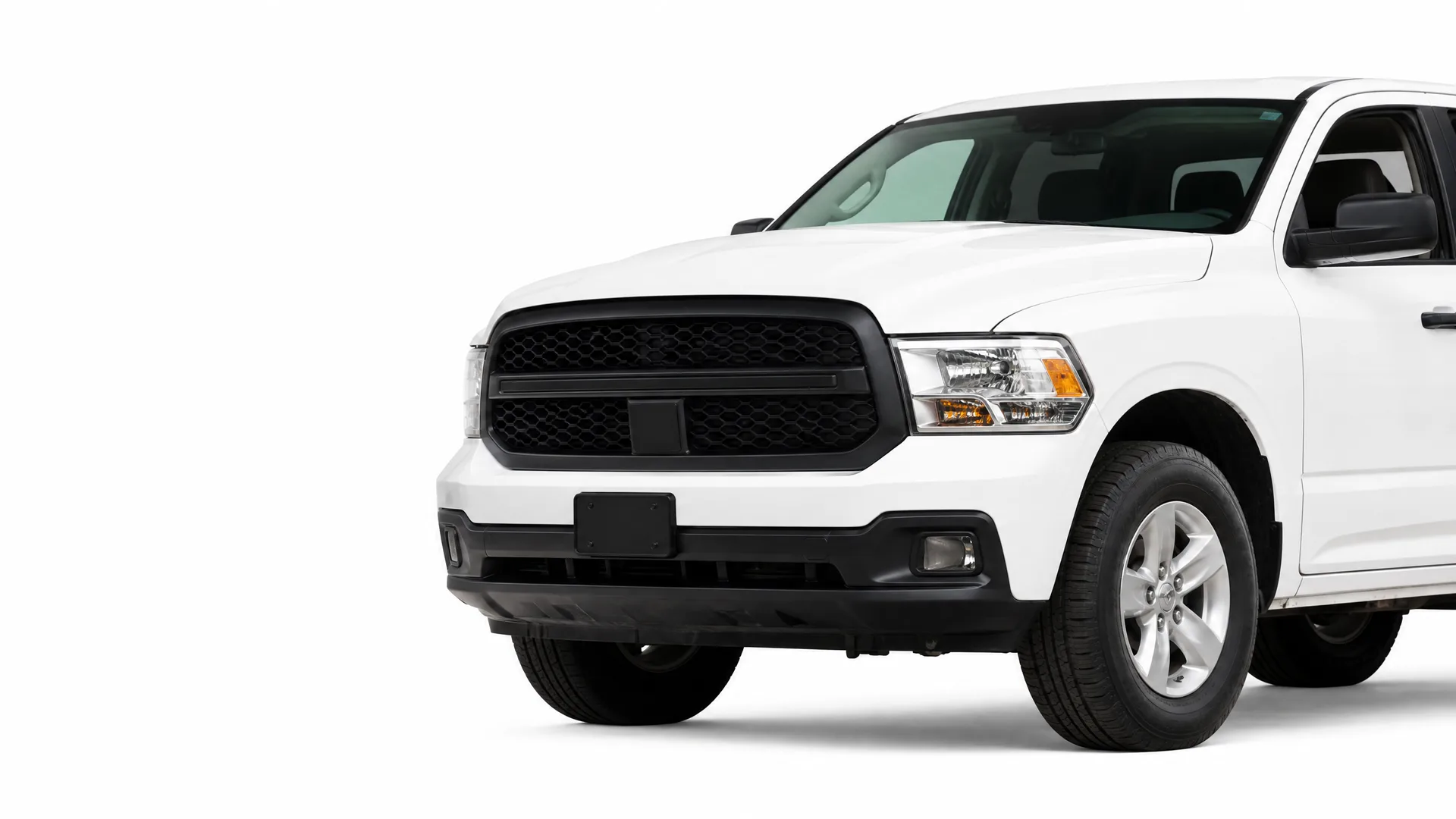
The thing that raises your rate isn't the damage, it's whether the claim gets coded as your fault.
Now that you know how this kind of claim is handled, compare quotes to see if your coverage still fits your new address.
What actually determines whether your rate moves
- Who's named at fault If the other driver is clearly at fault and it's documented, their insurance pays and yours isn't charged. Get their name, plate, and insurance info before you leave the scene if possible.
- Hit-and-run, no driver found Without an at-fault party, you'll likely file under your own uninsured motorist or collision coverage. Ask your insurer in advance how they treat these claims so there are no surprises later.
- Recent claims count One isolated claim rarely moves your rate much, but a pattern of claims in a short period can. Keep a mental tally if you've had other claims this year, even unrelated ones.
- Your state's surcharge rules Some states limit or restrict surcharging drivers for not-at-fault claims, others don't regulate it at all. Check with your state's insurance department or ask your insurer how they apply this.
- Which deductible applies Filing under your own policy usually means paying your deductible first, which affects whether it's worth filing at all. Compare the repair cost to your deductible before deciding to file.
Why a parked-car claim behaves differently than a crash you caused
Insurance pricing is built around risk, and risk is about what you're likely to do behind the wheel, not what happens to your car while it's sitting still. When another driver hits your parked car, nothing about your own driving changed, so insurers generally don't treat the event as a signal that you're more likely to cause future losses.
That's why a not-at-fault claim usually gets recorded differently in an insurer's system than an at-fault one. The claim still exists in your history, and anyone pulling your record will see it, but it typically isn't weighted the same way when your renewal price is calculated. The money paid out still counts as a loss for the insurer, it just isn't attributed to you as the cause.
Where this gets more complicated is when fault isn't clear or when no other driver is involved at all, like a hit-and-run. In those cases you may be filing under your own coverage, and some insurers do look at total claims frequency rather than just fault when they price renewals. A driver with several claims in a short window, even ones that weren't their fault, can sometimes see a higher price simply because frequent claims of any kind are themselves a cost to insure.
State rules add another layer. Some states restrict insurers from surcharging drivers for claims that weren't their fault, treating it as unfair to penalize someone for another person's actions. Other states leave this entirely up to the insurer. Since you just moved, this is worth checking specifically for your new state rather than assuming the old rules still apply.