Will My Insurance Fix My Car if It Was a Hit and Run
If you carry collision coverage, it pays to repair your car after a hit and run, minus your deductible.
What decides whether your car gets fixed
- Collision coverage This is the coverage that actually pays for hit and run damage, since there's no other driver to bill. Check your policy declarations page to confirm you have it.
- Your deductible applies You'll pay your collision deductible before coverage kicks in, same as any other accident. Know that number now so the repair bill doesn't surprise you.
- Police report matters Insurers usually want a police report to treat it as a hit and run rather than an unexplained claim. File one at the scene or as soon as you discover the damage.
- Uninsured motorist option Some states let this coverage pay instead of collision, sometimes with no deductible. Ask your insurer which coverage applies to your situation.
- Rates may still rise Even though you weren't at fault, a hit and run claim can sometimes affect your rate since the other driver can't be charged. Ask your insurer how they treat these claims specifically.
Will my rate go up even though it wasn't my fault?
It depends on your insurer and your state, so ask directly rather than assume either way.
Normally an at-fault accident raises your rate and a not-at-fault one doesn't, because another driver's insurance pays. A hit and run sits in between, since no other driver is ever identified or billed. Some insurers treat it like any other not-at-fault claim and leave your rate alone. Others treat it more like a collision claim, because their own money paid out even though you did nothing wrong. A few states have rules limiting how insurers can treat hit and run claims, so this is worth checking against your own location. Before you file, ask your insurer or agent how a hit and run claim is classified on your policy specifically. That answer, not a general rule, is what will actually show up on your next renewal.

Filing the claim versus paying out of pocket
If you do
You file a police report, open a claim, and pay your deductible. Your insurer covers the rest of the repair. You get your car back fixed, with a paper trail in case the other driver is ever found and their insurer has to reimburse yours.
If you don't
You pay the full repair cost yourself. There's no claim on your record and no deductible, but no path to recovering most of the cost either. This only makes sense if damage is minor and close to what your deductible would have been anyway.
Once you know how a hit and run claim would be handled, compare quotes to find an insurer that treats it in your favor.
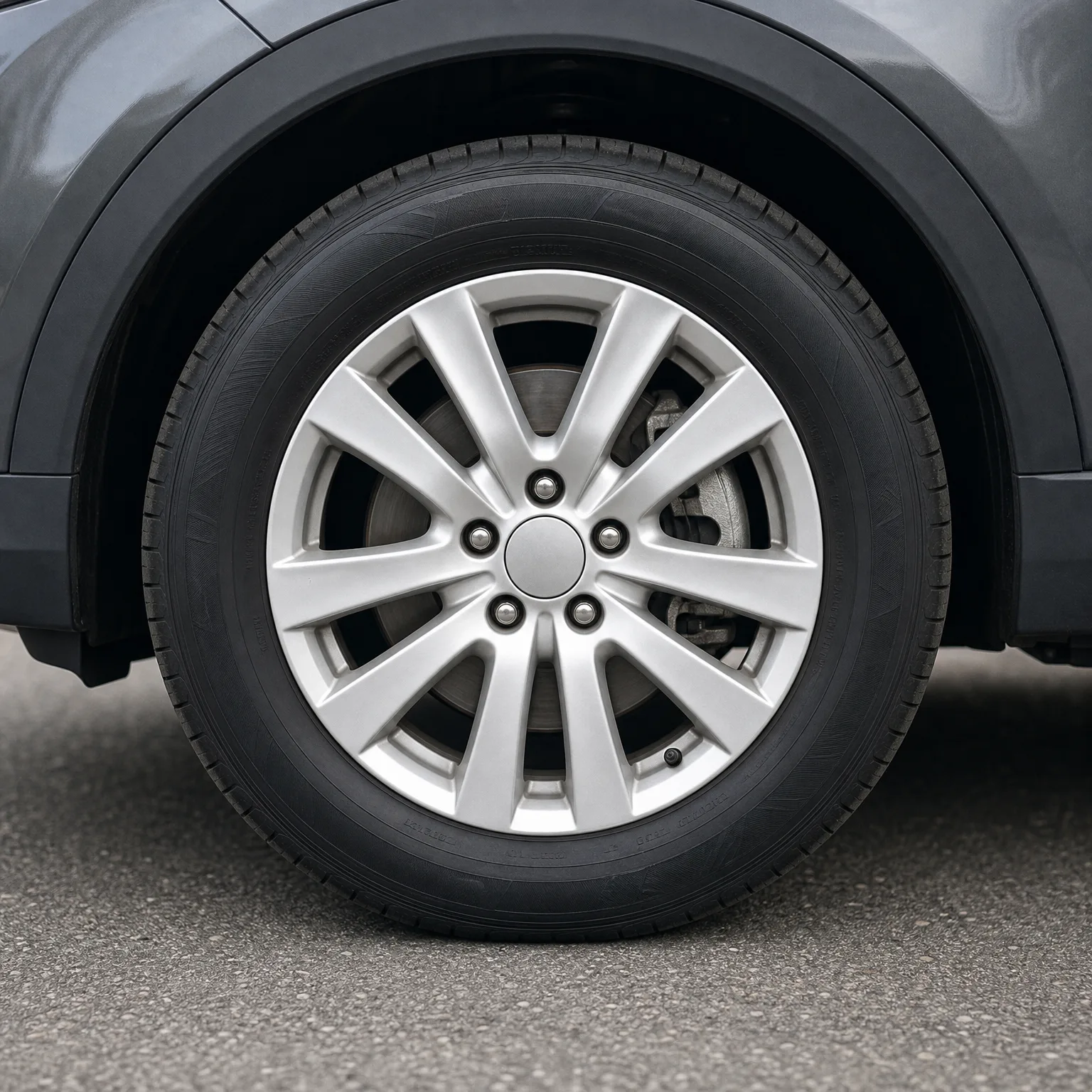
A car hit in a parking lot overnight
You come out one morning and find your bumper crushed and a taillight shattered. No note, no witness, nothing. You file a police report that day, since most insurers want one before they'll treat this as a hit and run rather than ordinary damage. You call your insurer, open a claim, and ask upfront how they classify hit and run claims on your policy, because that answer tells you what to expect at renewal.
Your collision coverage applies, so you pay your deductible and the insurer covers the rest of the repair. The shop fixes the bumper and taillight within the week. A few months later you check your renewal and your rate hasn't moved, since your insurer treats hit and run claims the same as other not-at-fault accidents in your state. Had the damage been smaller, closer to your deductible amount, paying out of pocket might have made more sense. But with a cracked bumper and a broken light, filing the claim and using your coverage was clearly the better move.

Does a hit and run claim count against my accident history?
It can, depending on your insurer, even though you weren't at fault. Some insurers separate not-at-fault claims like this from your accident history entirely, while others log it since they paid out without another driver's insurer to bill. Ask your insurer directly how they categorize it. If it matters to you, this is also worth asking any insurer you're comparing quotes with, since their answer may differ.
What if the other driver is caught later?
Your insurer may seek reimbursement from the other driver's insurance, which can sometimes lower or reverse any rate impact you saw. This process is called subrogation and happens behind the scenes, so you may not need to do anything. Ask your insurer if they'll adjust your deductible or rate if money is recovered later.
Do I need a police report to file this type of claim?
Usually yes, since it's the main evidence that distinguishes a hit and run from unexplained or at-fault damage. Without one, your insurer may have a harder time classifying the claim correctly. File a report as soon as possible, ideally at the scene, and keep a copy for your records and your claim.