Will My Car Insurance Go Up if I Change Address
Yes, your rate can change with a new address, because insurers price risk by location, and that location just changed.
Your rate is tied to where the car actually sits overnight
Car insurance pricing starts with risk, and a huge piece of that risk is geography. Insurers look at accident rates, theft rates, weather patterns, and even repair costs in your area. When you move, you're handing them a new data point, and they recalculate your premium against it. This isn't personal and it isn't arbitrary, it's just how the math behind your policy works everywhere.
What changes depends on the direction of the move. A denser area with more traffic and more claims usually pushes rates up. A quieter area, especially one with a garage or secure parking, can pull them down. Your insurer has to know your correct address anyway, since it's tied to where the car is legally registered and where claims get processed, so updating it isn't optional even if you're hoping to avoid a rate hike.
State rules shape how much this matters. Some states let insurers weigh location heavily, others limit how much zip code alone can swing a price. Insurers also differ in which factors they emphasize, so the same move can raise your rate with one company and barely touch it with another. That's worth checking directly with your insurer or your state's insurance department rather than assuming.
There are also cases where address isn't the deciding factor at all. If your commute length changes significantly, or you go from street parking to a garage, those shifts can matter as much as the zip code itself. The address update is really a trigger that reopens your whole rating profile, not a single isolated change.
What actually moves the number when you update your address
- New zip code risk level Your insurer checks accident and theft data for the new area. If it's higher risk than your old one, expect the rate to reflect that.
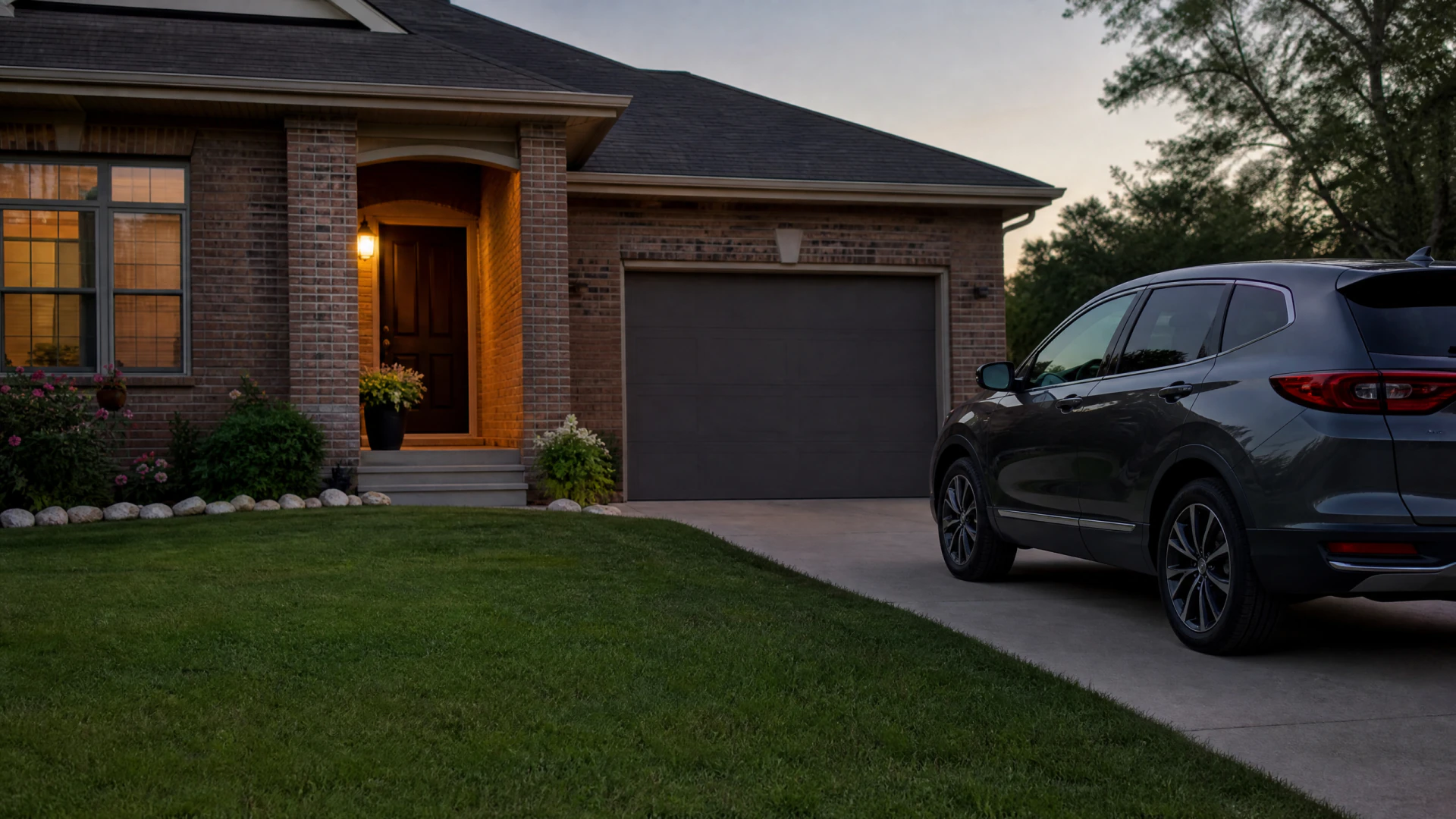
- Garage or driveway parking Parking off the street usually lowers risk. Tell your insurer exactly where the car sleeps at night, it can work in your favor.
- Changed commute distance Fewer or more miles driven to work changes your exposure. Update your estimated mileage so you're not paying for a commute you no longer have.
- State minimum requirements Coverage minimums vary by state. If you moved across state lines, your policy may need to change to meet new legal requirements.
- Bundling home and auto Combining home and auto with one insurer can offset an address-related increase. Ask for a bundled quote before assuming it's not worth it.
A couple who moved across town and got an unexpected number
A couple bought their first house about twenty minutes from their old rental, same city, different neighborhood. They updated their mortgage paperwork and homeowners policy right away, but left their car insurance alone for a few weeks, assuming it wouldn't matter much since they hadn't left the state. When they finally called to update their address, the new zip code came back with a higher rate than their old one, mostly due to a higher local accident rate.
Instead of accepting it, they mentioned that the new house had an attached garage, something their old rental never had. The insurer adjusted for that, which softened the increase. They also asked about bundling their new homeowners policy with their auto coverage, and that combination brought the total closer to what they'd been paying before. They ended up with a slightly different rate than before the move, but one that reflected their actual situation instead of a guess, and they felt confident comparing quotes elsewhere now that they understood what was driving the price.
Now that you know what's driving your rate, compare quotes to see what your new address actually costs.

Updating your address with your insurer right after you move
If you do
Your policy reflects where the car really lives, so claims get processed correctly and you're legally covered. You'll see your real new rate immediately, whether it goes up or down, and you can act on it, ask about garage discounts, bundling, or shopping around with accurate numbers instead of guesswork.
If you don't
Your policy still shows your old address, which can delay or complicate a claim if something happens. You might be underpaying for now, but you risk a denied claim or a surprise correction later. You also miss out on any rate improvement your new address might actually deserve, like a garage or shorter commute.
Does my insurance rate change immediately when I update my address?
Usually yes, insurers recalculate your premium as soon as the address is updated in their system, since that's one of the core factors in your rate. The exact timing can depend on your billing cycle though, so check whether the new rate applies right away or at your next renewal. If you're mid-policy, ask specifically how the change gets applied so you're not surprised by a mid-term adjustment.
Do I have to tell my insurer if I move within the same city?
Yes, any address change should be reported, even a short move across town, because zip code level risk can vary within a single city. Skipping this update can cause problems with a claim later, since insurers check whether your listed address matches where the car is actually kept. It's a quick update and worth doing as soon as your move is finalized.
Can I keep my old insurer if I move to a different state?
It depends on whether that insurer operates in your new state, since not all companies are licensed everywhere. If they do operate there, your policy will likely need to be rewritten to match the new state's coverage requirements, which can change your rate. If they don't operate there, you'll need a new policy entirely, so it's worth asking your insurer directly as soon as you know you're relocating.
Your address isn't a formality on your policy, it's one of the main numbers your rate is built on.