Will My Car Insurance Go Down if I Move States
It depends on your new state, but moving almost always changes your rate, sometimes down, often up.
Your rate follows the state, not just you
Car insurance pricing is built around risk, and risk is tied heavily to location. Every state has its own rules for coverage, its own mix of weather, traffic density, repair costs and legal environment, and insurers price all of that into your premium. When you move, you're not just changing an address, you're changing which risk pool you belong to.
Some states require more coverage than others, and that alone can shift your bill. A state with higher minimum liability limits, or one that requires extra coverage types, will usually cost more to insure in than a state with lighter requirements, regardless of how you drive. Other factors layer on top, like how common accidents or claims are in your new area, and how expensive it is to repair or replace a vehicle there.
Your own driving history still matters, and it travels with you. A clean record helps everywhere, but the same record can produce a different price in a new state simply because the baseline is different. This is why two people with identical driving histories can see opposite results from the same move, one paying less, one paying more.
The exceptions are worth knowing too. If you're staying with the same insurer, they may handle the transition automatically, adjusting your policy to the new state's rules. If you're switching insurers, the new company sets its own price from scratch, which can swing further in either direction. Either way, the only way to know your real number is to check it directly, not assume it from the state's reputation.

What actually moves the number
- State coverage requirements Some states require higher minimum coverage than others. If your new state requires more, expect your baseline cost to rise even if nothing else changes.
- Local accident and theft rates Areas with more claims cost more to insure. Check how your new zip code compares, since this can matter more than the state overall.
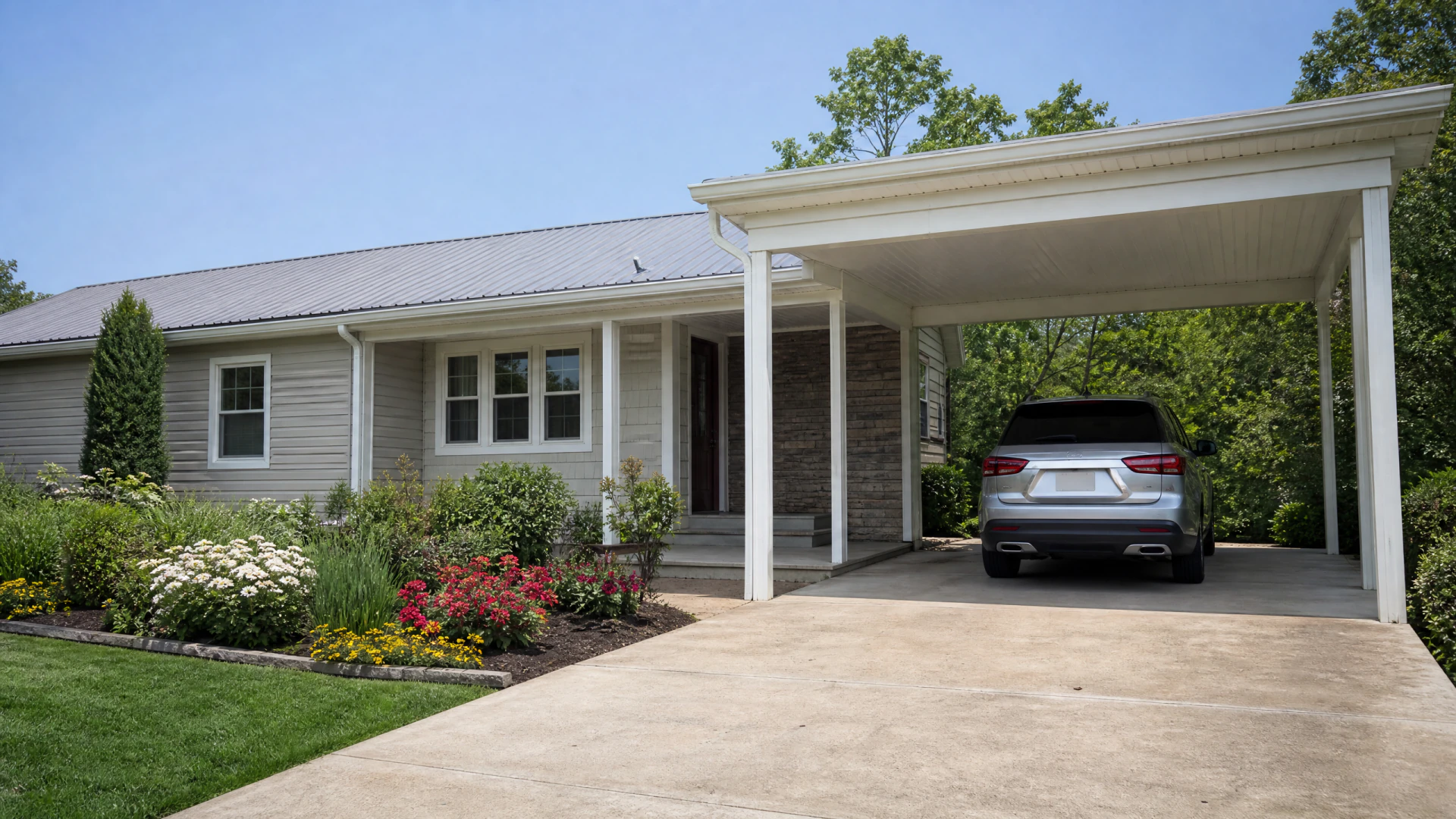
- Garage or driveway parking Where the car sleeps at night affects risk. Tell your insurer if you now have a garage, since it can lower your rate.
- Bundling with your home policy Combining home and auto with one insurer often reduces the total cost. Ask for a bundled quote before assuming separate policies are cheaper.
- Switching insurers or staying Your current insurer may not offer the best rate in your new state. Get a few quotes before renewing automatically.
Should I switch insurers or keep my current one after moving?
There's no default answer, and that's exactly why you check. Your current insurer might handle the move smoothly and still offer a fair price, especially if they operate widely and already have your full history on file. That continuity can be worth something, particularly if you've built up a claims-free record with them.
But staying out of convenience can cost you. Insurers price differently in every state, and the company that was cheapest where you used to live has no obligation to be cheapest where you live now. The only way to know is to get quotes from a few other insurers in your new state and compare them directly against your current renewal price.
If the difference is small, staying put for the convenience is reasonable. If it's significant, switching is worth the paperwork. Let the actual numbers decide, not loyalty or inertia.
Compare quotes in your new state and move forward with real numbers instead of guesses.

Updating your policy right after the move
If you do
You tell your insurer your new address, update your garaging location, and ask about bundling with your home policy. They recalculate your rate using your new state's rules. You find out immediately if you're paying more or less, and you can shop around with accurate numbers if the new price feels high.
If you don't
Your policy still lists your old address, which can be wrong for pricing and even for coverage if you file a claim. You might be paying a rate based on the wrong risk profile, and you won't know if you're overpaying or technically out of compliance with your new state's requirements.

A couple relocating for a new job
A couple in their early thirties bought their first home two states away for a new job. They kept their existing car insurance active during the move, assuming it would simply carry over, and didn't think much about it beyond updating their mailing address. A few weeks in, a renewal notice arrived with a noticeably higher premium, and they weren't sure if that was normal or a sign to shop around.
They called their insurer, confirmed the new state had higher minimum coverage requirements, and asked about bundling their new home policy with their auto policy. The bundle brought the price down somewhat, but they still got two outside quotes to compare. One was lower than their current renewal, so they switched, saving money while keeping the same coverage levels. The whole process took under an hour of calls, and they ended up with a policy that matched their new state's rules instead of outdated assumptions from their old one.