Will Liability Insurance Cover Weather Damage to My Car
No, liability insurance never pays to repair your own car, including damage from storms, hail, flooding or falling branches.
Liability only pays for damage you cause to others
Liability coverage exists to pay for harm you cause to other people or their property when you're at fault in an accident. It covers their car, their fence, their medical bills. It was never built to touch your own vehicle, no matter what damages it, because the entire purpose of liability is protecting other people from you, not protecting you from the world.
Weather damage to your own car falls under a completely different kind of coverage, usually called comprehensive. This is the coverage that responds to things that happen to your car that aren't collisions with another vehicle, like hail, flooding, wind-blown debris, falling trees or a cracked windshield from a storm. If comprehensive isn't on your policy, nothing in your liability coverage steps in to fill that gap.
This distinction matters most right after a move, because lenders often require comprehensive and collision coverage as a condition of financing a home, but that requirement is about the home loan, not your car. Your auto policy is separate, and whether you carry comprehensive on your vehicles depends entirely on what you chose or kept from before, not on anything related to your mortgage.
What varies is how insurers define certain weather events and how claims get processed in areas prone to specific risks like hail or flooding. Some states and insurers handle these differently, especially in regions with frequent severe weather. Check your policy's declarations page to see if comprehensive is listed, and ask your insurer directly how they define and handle weather-related claims in your new area.
The short version
Liability insurance never covers weather damage to your own car, only comprehensive coverage does. If comprehensive isn't on your policy, storm, hail or flood damage comes entirely out of your pocket. Check your declarations page now, before a storm makes the answer urgent.
A hailstorm after a cross-country move
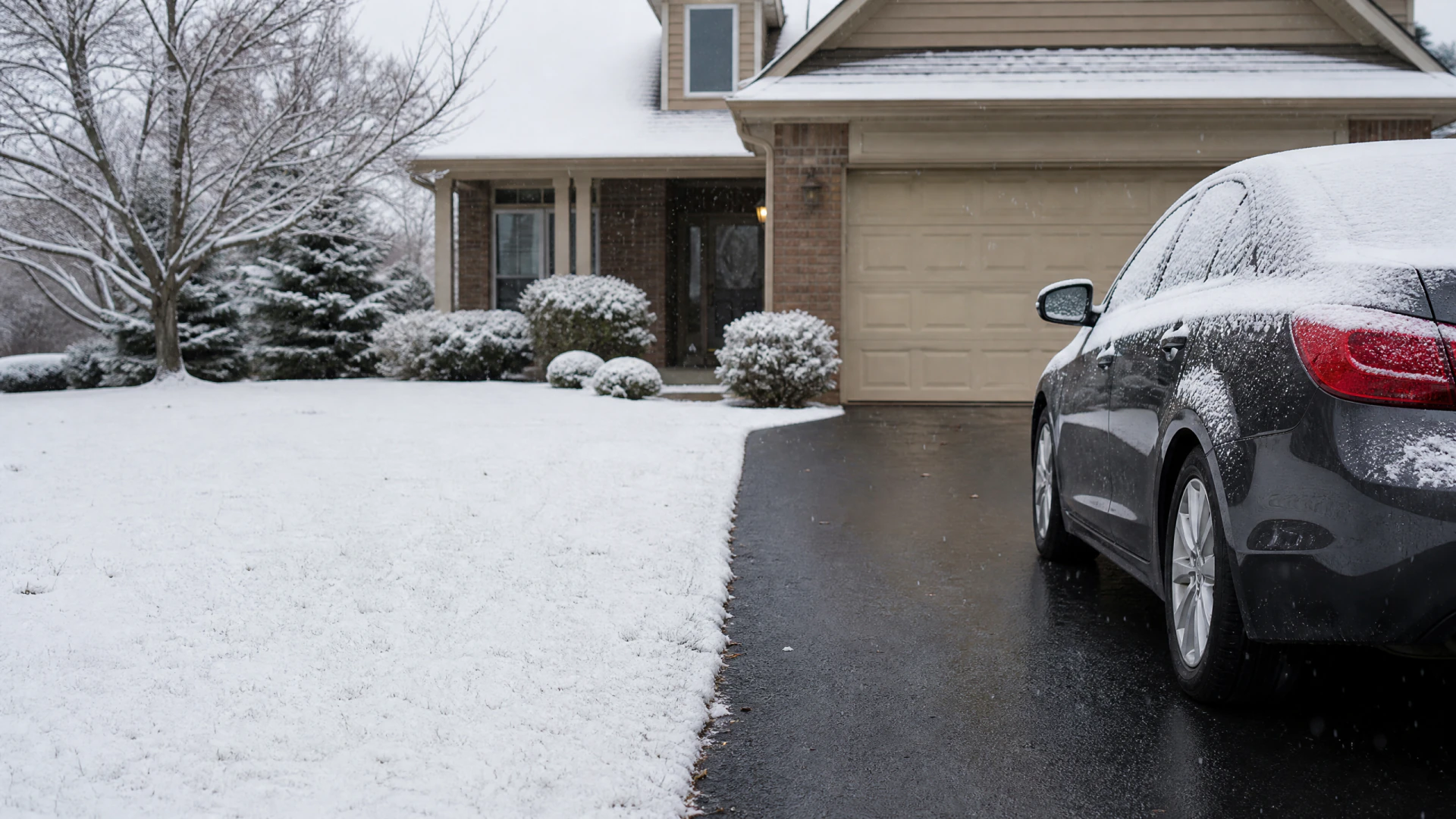
A couple moved to a new state and kept their old auto policy unchanged, assuming their coverage was still full protection. A few months later a hailstorm dented both cars parked outside overnight, since they hadn't yet set up a garage. When they called to file a claim, they learned their policy only carried liability coverage, something they'd lowered years earlier to save money when their old car was worth less and parking was already covered.
With no comprehensive coverage, the entire repair cost fell on them. They ended up adding comprehensive coverage to both vehicles immediately afterward, and also asked about parking arrangements since one car now had covered parking and the other didn't. The lesson for them wasn't just about weather, it was about how an old coverage decision had quietly stopped matching their new home, their new cars' value, and their new exposure to severe weather in the area.
Now you know what protects your car from weather, so compare quotes for comprehensive coverage that fits your home.
Whether you add comprehensive coverage before the next storm
If you do
If a storm damages your car, you file a claim and pay only your deductible, then get back on the road while repairs happen. You know what you're protected against, and you can stop worrying every time the forecast turns severe. Your only ongoing cost is the premium difference, already weighed against the risk.
If you don't
If a storm damages your car, you pay the entire repair cost yourself, which can mean thousands for hail dents, a cracked windshield, or flood damage to the engine. You find out your coverage gap exists at the worst possible moment, right when you need it. Nothing retroactively fixes this after the damage is done.
Does comprehensive coverage have a separate deductible from collision?
Yes, comprehensive and collision usually carry their own separate deductibles, even though they're often sold together. This means you could choose a lower deductible for weather-related damage and a higher one for collisions, or vice versa, depending on what risk worries you more. Check your declarations page for both numbers specifically, since insurers list them separately even when the coverages appear bundled on your bill. If you're unsure which applies to a weather claim, ask your insurer directly before filing, since choosing the wrong assumption could change what you expect to pay out of pocket.
Does bundling home and auto insurance lower the cost of adding comprehensive coverage?
Often yes, bundling can lower your overall cost, but how much depends entirely on the insurer and your specific situation. Bundling discounts vary widely between companies, and sometimes a separate specialized auto insurer still beats a bundled price even after the discount. The only way to know is to compare a bundled quote against separate quotes for the same coverage levels, including the comprehensive coverage you're now considering, since the discount percentage won't tell you the full story without seeing actual dollar amounts side by side.
Does parking in a garage actually lower my insurance rate?
Often yes, since a garage reduces exposure to weather, theft and vandalism, which insurers treat as lower risk. How much it lowers your rate varies by insurer and by how they weigh location risk in your specific area. Tell your insurer about the garage when you update your address, since this detail doesn't transfer automatically and won't adjust your rate unless you report it. If only one of your cars has garage access, ask whether the discount applies per vehicle or to the whole policy.
The real risk isn't the weather, it's carrying a policy built for your old home, not your new one.