Will Liability Cover My Car if a Tree Falls on It
No, liability insurance only pays for damage you cause to other people, so a fallen tree on your own car isn't covered by it.
Liability only pays for damage you cause to someone else
Liability coverage exists for one purpose. It pays when you're at fault for hurting someone else or damaging their property. A tree falling on your car isn't something you caused, and it isn't damage to someone else's property, so liability has no role here at all.
What actually responds to a falling tree is comprehensive coverage, sometimes called other than collision. This is the part of a policy that handles damage from things outside your control, like weather, falling objects, animals, or vandalism. If comprehensive isn't on your policy, nothing in your car insurance will pay for that tree damage, regardless of how clearly it wasn't your fault.
This trips people up because car insurance feels like it should work the way home insurance does, where a tree falling on your house is just a covered event. But auto policies split coverage by cause and by whose property is involved, not by fairness. Comprehensive is usually optional, which means plenty of drivers don't have it, often without realizing what that means until the tree is already on the hood.
Who pays can also depend on where the tree was and whether it was healthy, especially if it fell from a neighbor's yard. That's a separate question from what your own policy does, and it's worth checking with whoever insures the property the tree stood on, since rules about liability for falling trees vary by state.
A driveway tree during a storm
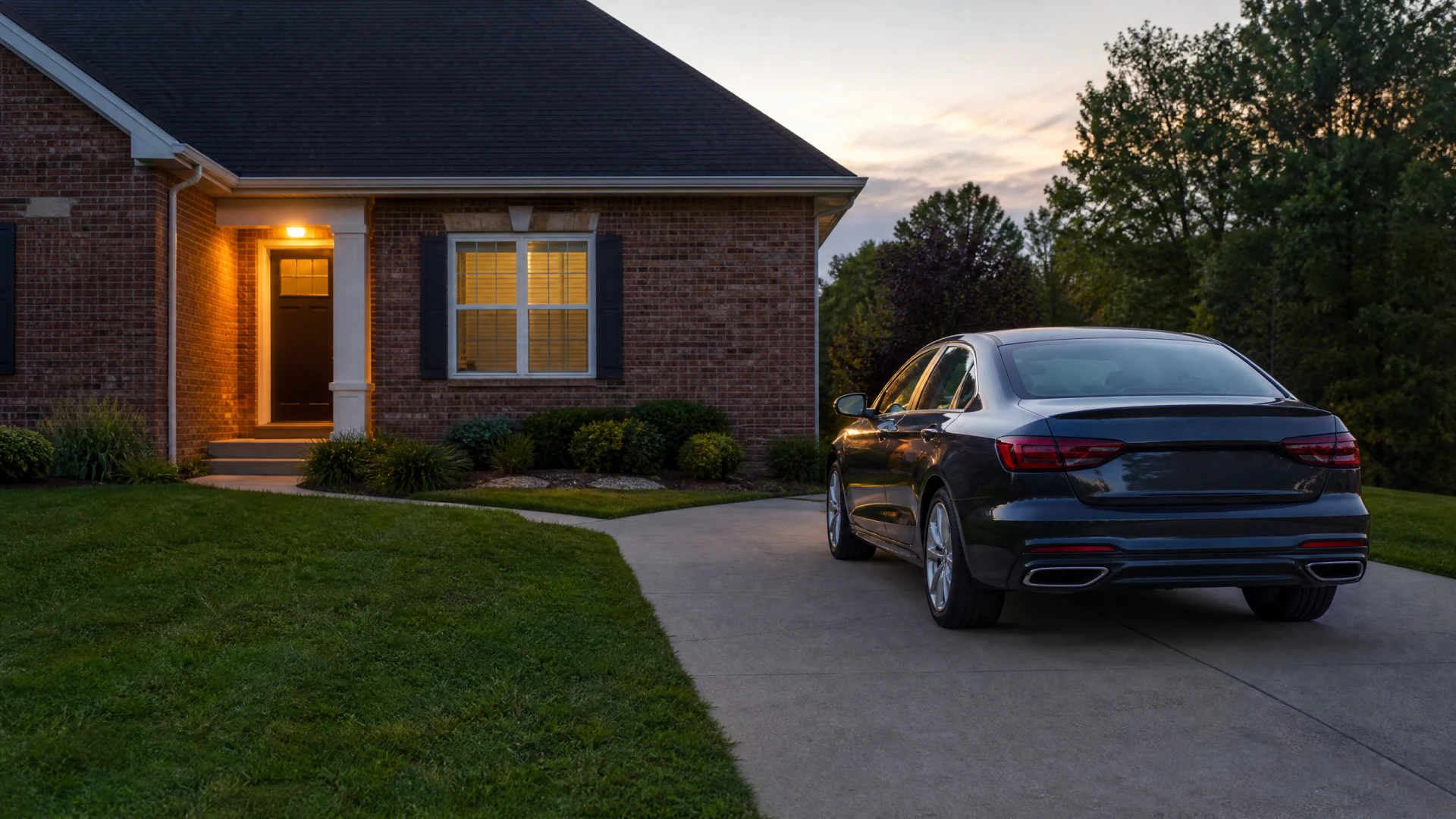
A homeowner who'd just moved in left their car in the driveway overnight during a wind advisory. By morning, a large branch from a tree at the edge of the yard had come down across the hood and windshield. They called their insurer expecting liability to apply, since the damage felt like something that happened to them, not something they did.
The agent explained that liability wouldn't touch it, but comprehensive coverage would, since it was already on the policy from before the move. They filed a comprehensive claim, had the damage assessed, and paid only the deductible. Afterward, they also checked whether the tree belonged to a neighboring property, found that it didn't, and confirmed with their insurer that comprehensive was the right and only path forward for this kind of damage.

Compare quotes now that you know comprehensive, not liability, is what protects your car from falling trees.
What if I don't have comprehensive coverage at all?
Then a falling tree is an out of pocket repair. Without comprehensive on your policy, there's no part of your car insurance built to respond to weather or falling objects, so the cost of fixing or replacing your car falls entirely on you.
This is usually the moment people decide to add comprehensive, especially after a move to an area with more trees, more storms, or street parking instead of a garage. It's worth asking your insurer directly whether comprehensive is currently on your policy, since some older policies or lower cost plans leave it off by default.
The coverage for a falling tree is comprehensive, not liability, so confirm you have it before you need it.
Does comprehensive coverage have a deductible for tree damage?
Yes, comprehensive claims typically carry their own deductible, separate from collision. You pay that amount out of pocket before coverage kicks in for the repair. Check your declarations page for the comprehensive deductible specifically, since it can be set differently than your collision deductible, and a lower one may be worth choosing if you're in an area prone to storms or falling branches.
Will my rates go up after a tree damage claim?
It depends on your insurer, since comprehensive claims are sometimes treated more leniently than at fault accidents because you didn't cause them. Some insurers won't raise rates for a single comprehensive claim, while others factor in any claim history. Ask your agent directly how comprehensive claims affect pricing before you file, especially if the repair cost is close to your deductible.
Can I make the neighbor's insurance pay instead of mine?
Only if the tree was on their property and they were negligent, like ignoring a visibly dead or damaged tree. If the tree fell due to a storm and was healthy, most states treat it as an act of nature with no one at fault, meaning your own comprehensive coverage is the path forward regardless of whose yard it stood in.