Will Insurance Cover if I Hit a Mailbox
Your collision coverage pays for mailbox damage, but with your deductible and a possible rate increase, it may not be worth filing.
Collision covers it, but filing isn't always the right move
Hitting a mailbox is physical damage to property caused by your car, and that falls squarely under collision coverage, the part of your policy that pays for damage you cause to objects or other vehicles in an accident. If you carry collision, the repair or replacement of the mailbox and any damage to your own car from the impact is covered, minus your deductible.
The catch is that mailboxes are cheap. A deductible is usually higher than the cost to replace one, which means filing a claim often means paying the insurer to cover a cost smaller than what you owe upfront. You end up paying the full bill yourself anyway, and now there's a claim on your record.
That record matters because insurers look at claims history when they set your renewal price, even for small payouts. A single claim for a low dollar amount can still nudge your rate up at renewal, sometimes for a few years, depending on the insurer's rules. Whether that happens and by how much varies by company and by state, so it's worth asking your insurer directly how they treat small property claims before you report one.
There are exceptions. If the mailbox damage came with other damage, like hitting a fence, a parked car, or a utility box in the same incident, the total cost may clear your deductible easily and make filing worthwhile. And if you don't carry collision coverage at all, this becomes a different question entirely, since liability only pays for damage to others, not fixes to your own car.
A driveway mistake that didn't need a claim
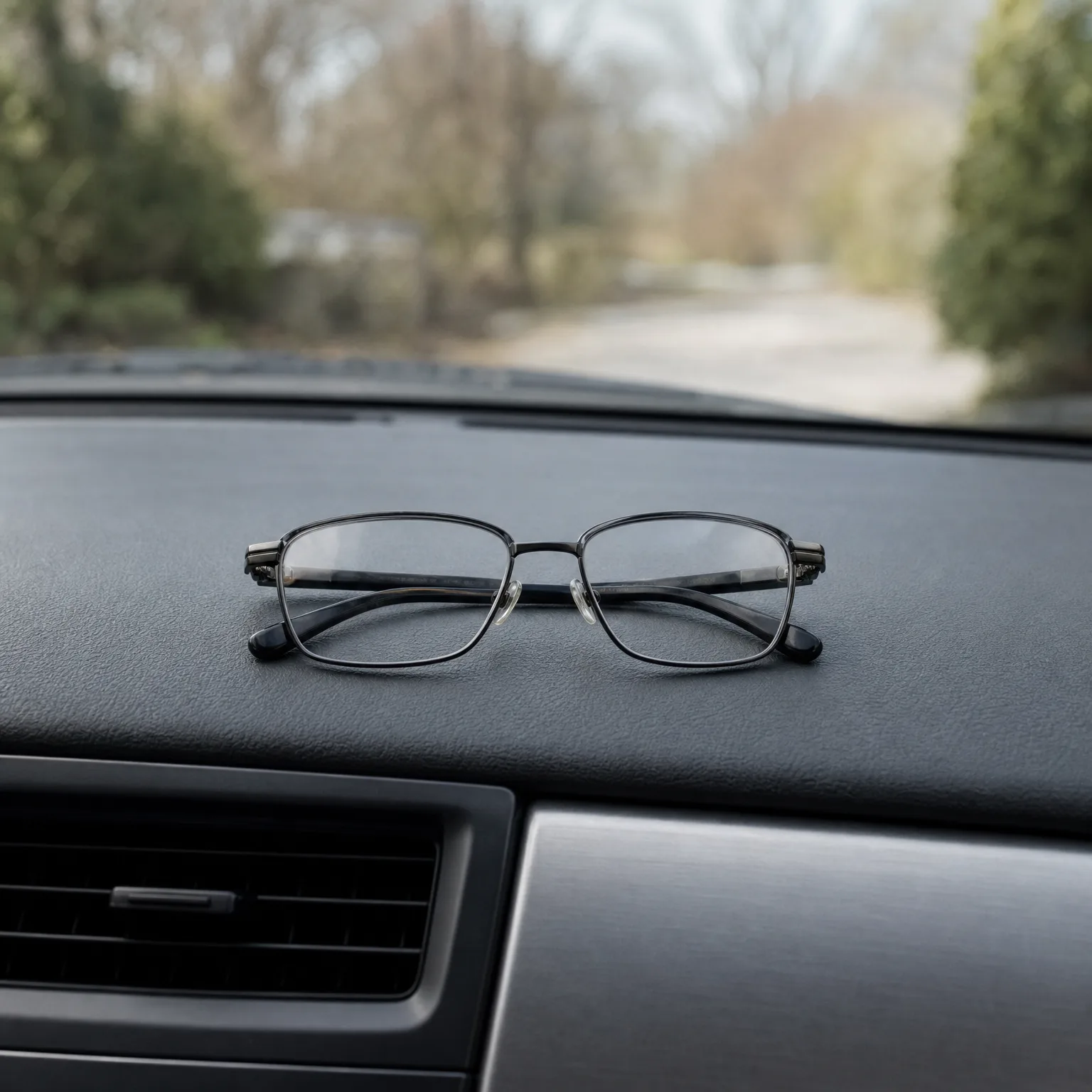
You're backing out of a new driveway in the dark, still getting used to the layout of the house, and you clip the neighbor's mailbox post. It snaps the post and dents your rear bumper. Your first instinct is to call your insurer, but before doing that you check your policy's deductible and get a repair quote instead.
The mailbox post costs little to replace and a local shop quotes the bumper dent for less than your deductible combined. You pay for both out of pocket, let the neighbor know right away, and keep the incident off your claims history entirely. A few weeks later you also call your insurer to update your address on the policy, since you just moved, and that call is unrelated to the mailbox but one you needed to make anyway.
Will my rate go up if I file a mailbox claim?
It can, though not always, and the amount depends on your insurer and your state. Some companies have accident forgiveness built in for a first minor claim, which means your rate stays the same even after you file. Others count every claim, regardless of size, when they calculate your renewal price.
The only way to know for certain is to ask your insurer directly how they treat small property damage claims before you file one. If you're not sure whether you have forgiveness or how your company weighs minor claims, that's a good question to ask now, while you're already reviewing your policy after the move, rather than after an incident.
Once you know how your insurer handles small claims, compare quotes to see which policy fits best.

Filing a claim for the mailbox
If you do
The insurer pays for the repair minus your deductible, and the mailbox and any car damage get fixed. The claim goes on your record, which may affect your rate at renewal depending on your insurer's rules. You'll likely pay more over time than the mailbox cost to begin with.
If you don't
You pay for the repair yourself, which for a single mailbox is often less than your deductible would have been anyway. Your claims history stays clean, which keeps your renewal price steady. You still need to let anyone affected, like a neighbor or landlord, know what happened.
What to check before you decide to file
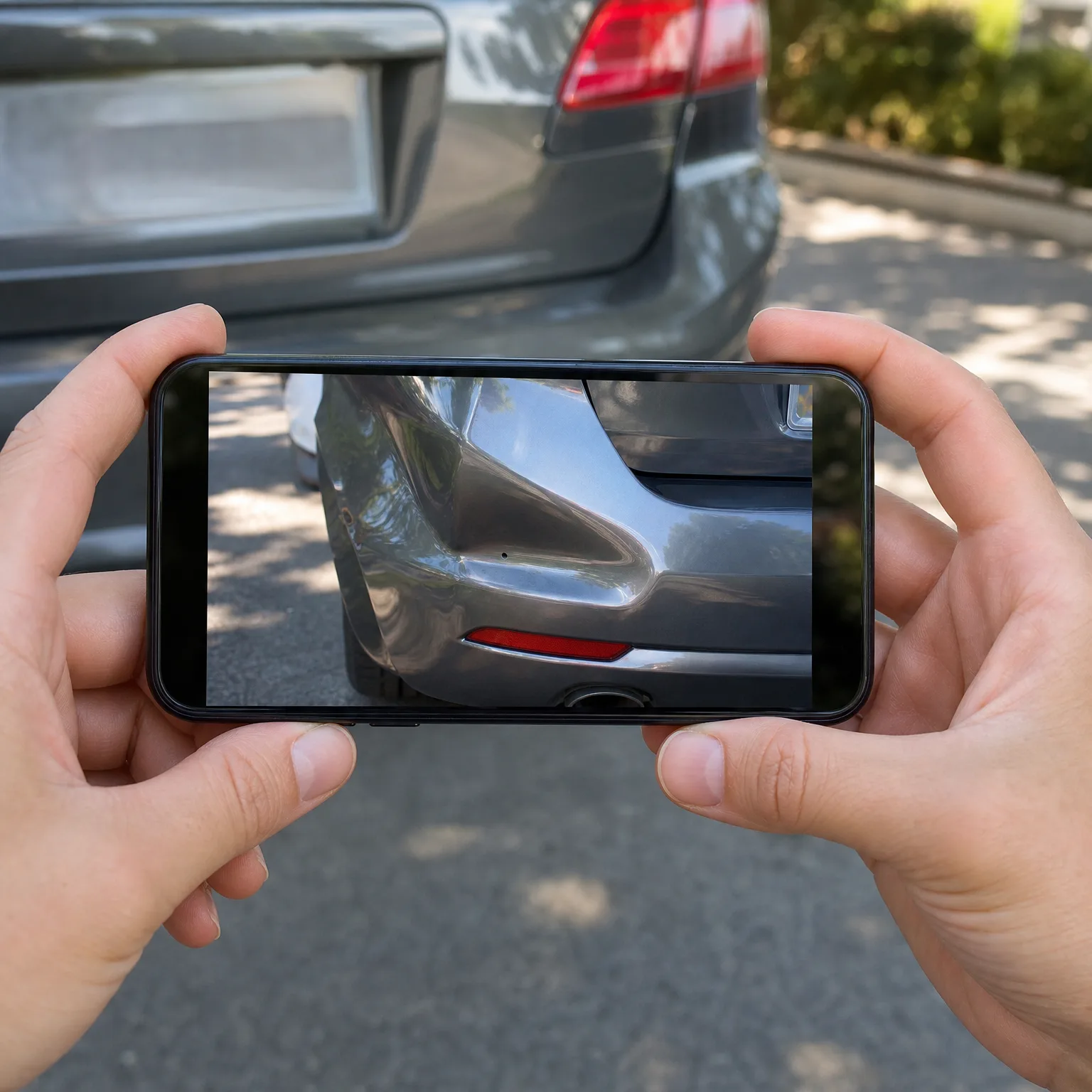
- Compare cost to deductible Get a repair estimate for the mailbox and any car damage, then compare it to your deductible. If the total is close to or below your deductible, filing rarely makes sense.
- Ask about claim forgiveness Call your insurer and ask whether a first small claim affects your rate. Some companies forgive one minor claim, others count every claim equally.
- Check for other damage If the same incident damaged a fence, another car, or anything else, the total may be worth filing. Add up everything damaged, not just the mailbox, before deciding.
- Confirm you have collision Mailbox damage only falls under collision, not liability alone. Look at your declarations page to confirm you're carrying it before assuming it's covered.
- Tell the mailbox owner Whether you file a claim or pay directly, let the mailbox owner know what happened. This avoids disputes later and is often expected even for minor damage.
Does liability insurance cover hitting a mailbox?
No, liability only covers damage you cause to other people's property or injuries to others, not damage to your own car. It would cover the mailbox itself, since that belongs to someone else, but not any dent or scrape on your vehicle from the same impact. If you don't carry collision coverage, you'd pay for your own car's damage out of pocket while liability handles the mailbox. Check your declarations page to see which coverages you actually carry, since this distinction only matters if you're missing collision.
Do I have to report hitting a mailbox to my insurer?
Not always, it depends on your state and whether anyone else is involved or hurt. Minor property damage incidents with no injuries often don't carry a legal reporting requirement, but some states do require reporting if damage exceeds a certain amount. Check your state's specific rules, since they vary, and when in doubt a quick call to your insurer or local authority can clarify whether this incident needs to be reported at all.
How much does a mailbox claim raise insurance rates?
It depends entirely on your insurer and sometimes your state, so there's no single answer. Some companies apply a modest increase at renewal, others apply none for a first minor claim, and some factor in how long you've been a customer. Ask your insurer directly how they calculate rate changes after a small claim, since this is specific to their internal rules and not something you can predict from the policy alone.