Will Hail Damage Raise Your Insurance
A hail claim runs through comprehensive coverage, and comprehensive claims rarely raise your rate the way an at-fault accident does.

What actually decides if your rate moves
- Comprehensive vs liability Hail falls under comprehensive coverage, which handles things that aren't your fault, like weather or theft. Insurers generally treat these claims differently from at-fault accidents, so check your declarations page to confirm which coverage applies.
- Your claim history pattern One hail claim rarely stands out, but several weather claims in a short span can read as a pattern to an insurer. Look back at your claims from the past few years before you file, so you know what picture you're adding to.
- Your state's rules Some states limit or prohibit rate increases from no-fault weather events, others leave it to the insurer. Call your insurer or agent and ask directly how they treat hail claims in your state before you decide to file.
- Your deductible size A higher comprehensive deductible means smaller claims, including minor hail dents, may cost you more out of pocket than they're worth filing. Compare the repair estimate to your deductible before you file anything.
- Regional hail history If you live somewhere hail is common, your base rate may already reflect that risk regardless of whether you personally file a claim. Ask your insurer whether your zip code's hail history already factors into your premium.
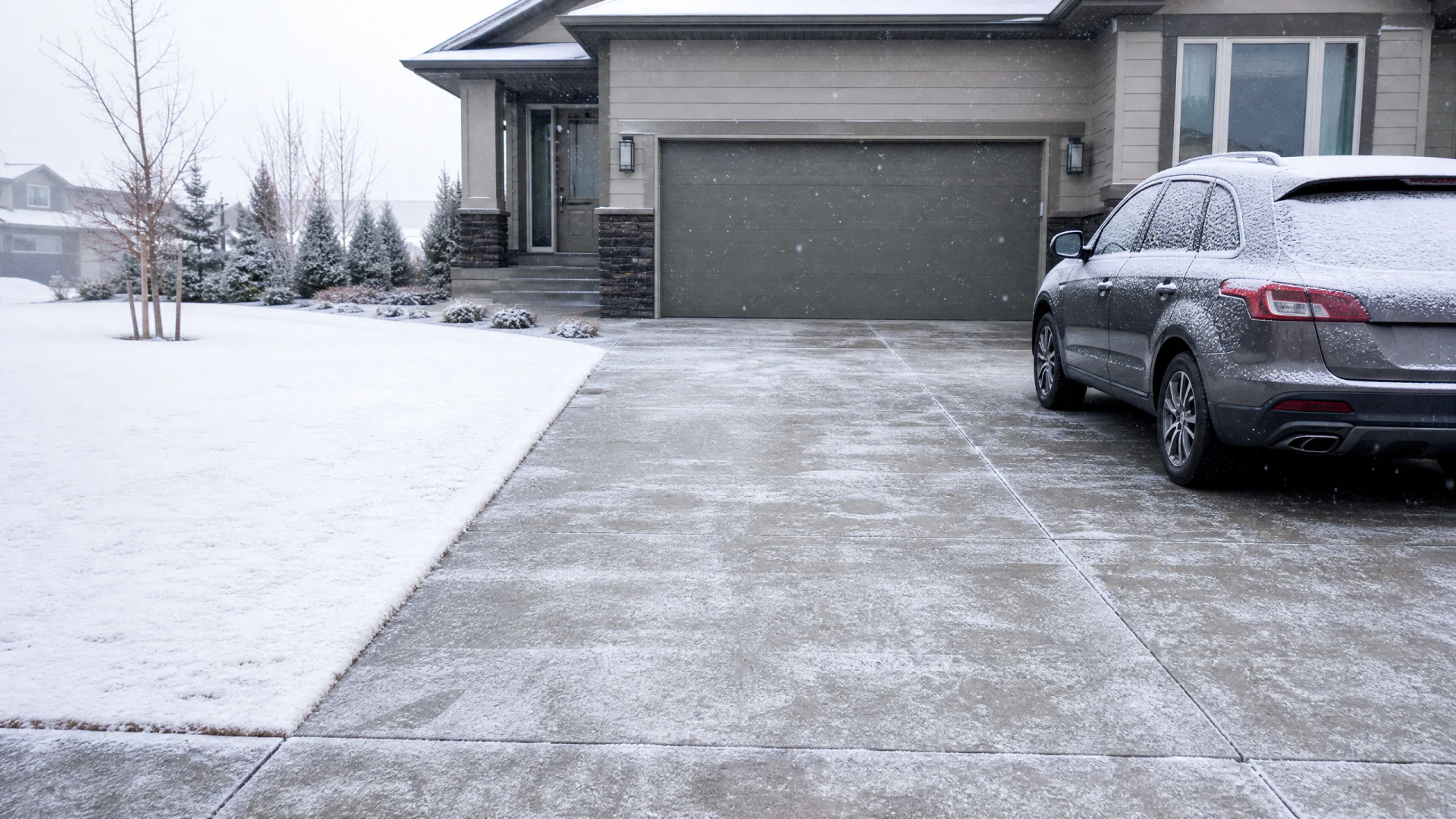
A driveway full of dents after one storm
You come home to find your car covered in small dents after a hailstorm moved through the area. You check your policy and confirm you have comprehensive coverage, then get a repair estimate that comes in well above your deductible. You call your insurer, file the claim, and ask directly whether a weather claim like this will affect your renewal rate, since you just bought the home and switched up your coverage recently.
The adjuster explains that hail is treated as a no-fault event and confirms your state doesn't allow rate increases based solely on weather claims. You get the repairs done through a shop your insurer recommends, and your rate at renewal stays the same, though you notice your insurer flags the claim in your history for future reference. Six months later you call to compare quotes anyway, since you're still deciding whether to bundle home and auto, and the hail claim doesn't come up as a factor in any of the new quotes you receive.

Once you know how a hail claim fits into your coverage, compare quotes to see if your current insurer still makes sense.

Whether to file a claim for the hail damage
If you do
Your car gets repaired without you paying full cost out of pocket, and the claim goes on record as a no-fault weather event in most places. You may see a small flag on your claims history, but your rate typically stays the same unless you have several recent claims.
If you don't
You keep your claims history completely clean and avoid any chance of scrutiny at renewal, but you pay for repairs yourself. If the damage is cosmetic and under your deductible, this often makes sense anyway.
Why insurers treat weather damage differently
Insurance pricing is built around fault and risk you control. An at-fault accident suggests something about how you drive, so insurers weigh it heavily when setting your rate. Hail is different because it has nothing to do with your choices behind the wheel, it's weather hitting a parked or driven car regardless of who's in it.
Because of that distinction, many insurers separate comprehensive claims from liability claims when they calculate renewal rates. The reasoning is straightforward, a driver who gets hit by hail isn't more likely to cause a future accident than one who doesn't. Insurers still track the claim, but it carries less weight in the formula than an at-fault claim would.
Where this breaks down is frequency and geography. If you file comprehensive claims often, even for no-fault events, insurers may read that as a sign you live or park somewhere risky, and that can factor into pricing over time. Some states also regulate this directly, barring insurers from raising rates based on weather claims alone, while others leave it up to each company's own rules.
The other variable is your deductible and the size of the claim itself. Filing a claim for very minor damage that barely clears your deductible can cost you more in the long run than just paying for it yourself, not because of a rate hike but because you've used up value that didn't need using. The real decision isn't whether hail claims are dangerous to your rate, it's whether this particular claim is worth filing at all.
Does filing an insurance claim always show up on my record?
Yes, any claim you file gets logged with your insurer and often with shared industry databases other insurers can see. This doesn't mean it always raises your rate, but it does mean the history exists. What matters most is the type of claim and how often you file, so check your claims report periodically to see what's on it and confirm it's accurate.
Should I get repairs done before filing or after?
File first, then get repairs done through the process your insurer sets up. Getting an estimate before you file helps you decide if it's worth filing at all, but starting repairs before you've opened a claim can complicate reimbursement. Ask your insurer what documentation they need up front, since requirements vary by company.
Will my rate go up if I don't file a hail claim at all?
No, not filing means there's nothing new in your claims history to affect your rate. Your premium is still shaped by other factors like your location, driving record and coverage choices. The tradeoff is you cover the repair cost yourself, so weigh that against how much the rate protection is actually worth to you.