Will Car Insurance Pay for Flood Damage
Only comprehensive coverage pays for flood damage, so check now whether your policy includes it.
Flood coverage lives in one specific part of your policy
Car insurance is split into pieces, and each piece pays for a different kind of event. Comprehensive coverage is the piece that pays for things that happen to your car that aren't collisions, like flooding, falling trees, fire or theft. If your policy has comprehensive, flood damage is covered. If it doesn't, nothing in a standard policy will pay for it.
This matters because comprehensive isn't automatic. Liability coverage is required almost everywhere, but comprehensive is optional unless a lender requires it, which usually happens when you still owe money on the car or carry a loan. If you own your car outright, you may have dropped comprehensive at some point without thinking much about it, especially if you set up the policy years ago.
What the insurer pays also depends on your car's value at the time of the flood, not what you paid for it originally. Cars lose value every year, so a flooded car that's older may get a smaller payout than you'd expect, even with full comprehensive coverage. This is separate from the question of whether you're covered at all.
A few things vary by insurer and by state, including how claims are handled when a flood is declared a disaster, whether there's a separate deductible for comprehensive claims, and how total-loss payouts are calculated. Check your policy declarations page for a line that says comprehensive, and check with your insurer directly if you're not sure what it includes.

The short version
Comprehensive coverage pays for flood damage, not collision or liability. Check your declarations page for the word comprehensive. If it's missing, especially now that you own a home and may be rethinking your coverage, add it before you need it, not after.
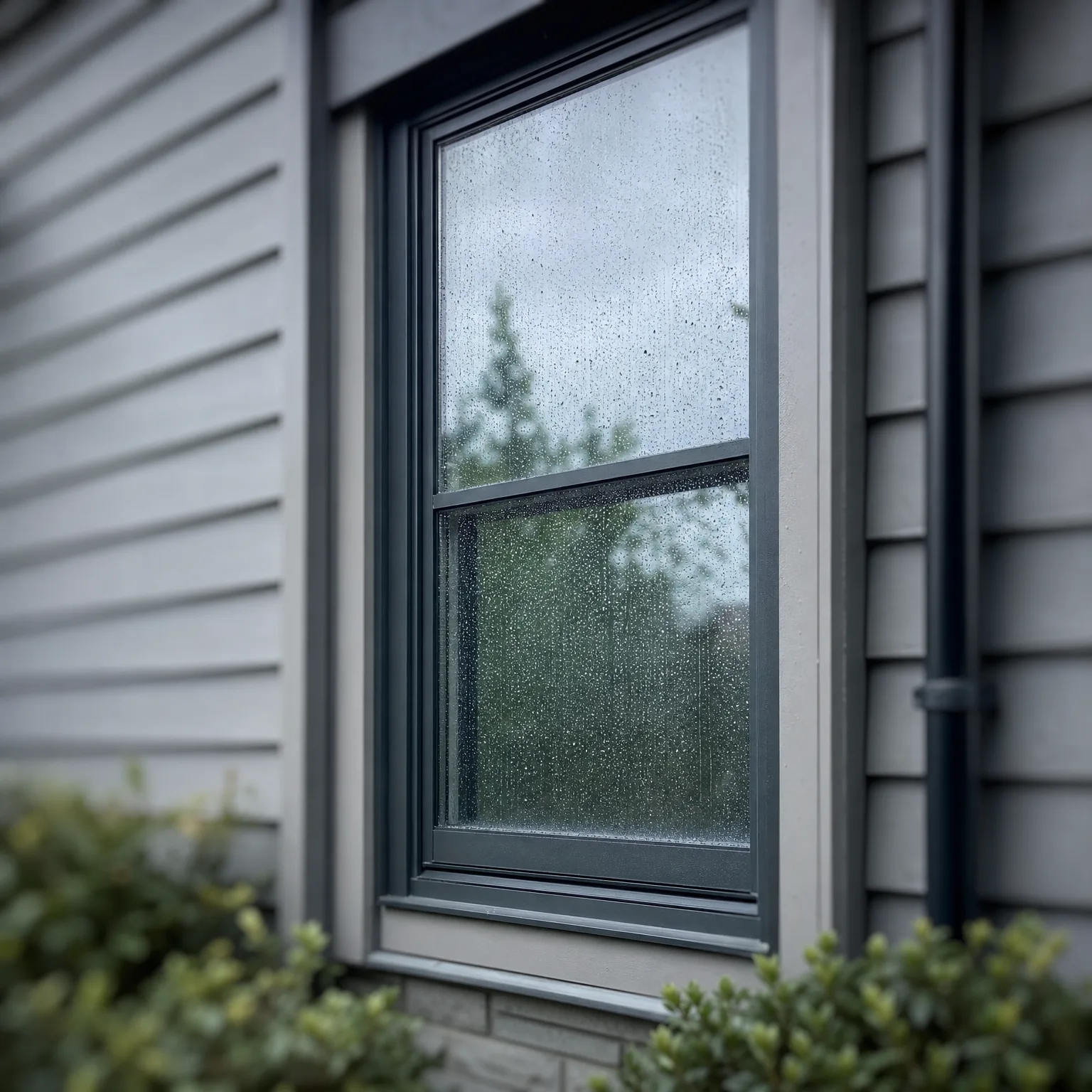
A driveway flood after a heavy storm
Say you move into your new house and a storm rolls through a few weeks later. Water rises faster than expected and your car, parked in the driveway because the garage is full of moving boxes, sits in several inches of water overnight. The engine won't start the next morning.
You call your insurer and they ask what coverage you have. If comprehensive is on your policy, they send an adjuster, assess the damage, and either pay for repairs or declare the car a total loss based on its current value, minus your deductible. If comprehensive isn't on your policy, the call ends quickly, because there's no coverage to file a claim against, and the repair or replacement cost is yours alone.
Compare quotes now that you know exactly which coverage protects your car from flooding.

Whether you add comprehensive coverage
If you do
If your car floods, you file a claim and the insurer pays for repairs or a payout based on your car's value, minus your deductible. You're protected against storms, rising water and other non-collision events, which matters more now that your address and parking situation have changed.
If you don't
If your car floods, you pay out of pocket for repairs or replacement. There's no claim to file because comprehensive is the only coverage that applies, and without it, flood damage falls entirely on you, no matter how the storm happened or where the car was parked.

What decides whether a flood claim gets paid
- Comprehensive coverage This is the only coverage that pays for flood damage. Check your declarations page now, not after a storm, so you're not caught without it.
- Your deductible amount Whatever your comprehensive deductible is gets subtracted from any payout. Know this number before a claim so the payout isn't a surprise.
- Your car's current value Payouts are based on what your car is worth now, not what you paid for it. Older cars may get smaller payouts even with full coverage.
- Where you park A new address or a shared driveway can change your flood risk compared to where you used to live. If flooding is a real possibility, don't let comprehensive lapse.
- State and insurer rules Some details, like disaster-related claim handling, vary by state and company. Ask your insurer directly how they handle flood claims where you live.