Will Car Insurance Go Down After Moving to the Suburbs
It often goes down, but the real driver is your new zip code and how you now park and drive, not the move itself.
What actually moves your rate after a move
- Your new zip code Insurers price risk by location, and suburbs often see fewer claims than dense city areas. Update your address with your insurer right away so your quote reflects where you actually live now.
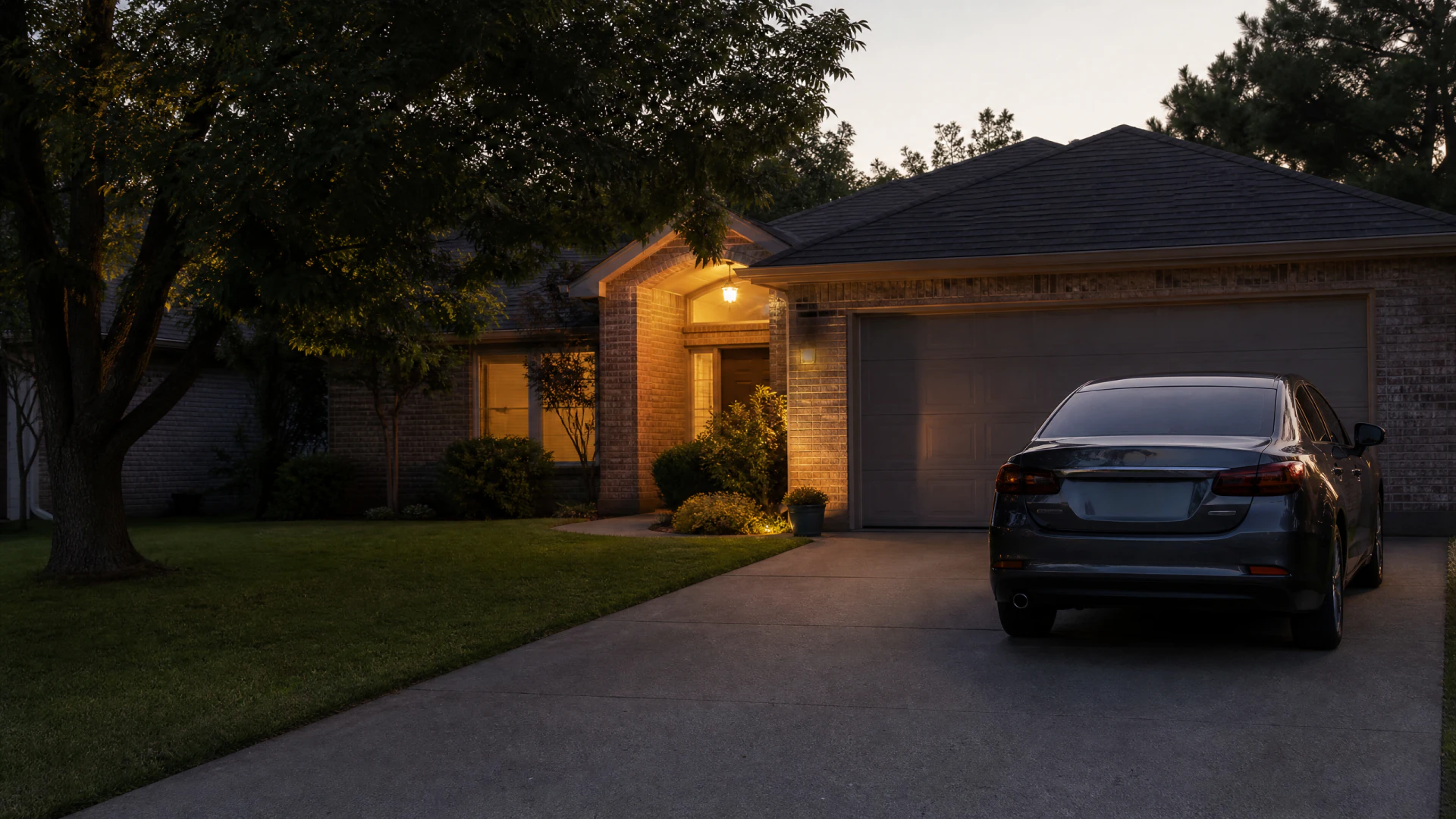
- Garage or driveway parking A car parked off the street overnight can lower theft and damage risk in the insurer's eyes. Tell your insurer where the car sleeps now, since this detail is easy to overlook after a move.
- Your commute distance A longer or shorter daily drive changes how much risk you represent. Give your insurer an honest new mileage estimate instead of leaving the old commute on file.
- Bundling home and auto Combining your new homeowners policy with your car policy can unlock savings you don't get buying them separately. Ask your current insurer for a bundled quote before assuming you need to switch.
- Limits you set years ago Old coverage limits may no longer match a home you're financially tied to through a mortgage. Review your liability limits now, since a move is a natural point to raise them if they're thin.
The short version
Your rate can go down after moving to the suburbs, mainly because of your new zip code, parking situation, and commute. But it isn't automatic. Update your address, ask about bundling with your home policy, and get a fresh quote before assuming your current rate is still right.
Should I switch insurers or just update my current one?
Update your current policy first, then use that updated quote as your baseline for comparison. Your insurer needs your new address and parking situation regardless of whether you stay, so getting that number first tells you what staying actually costs.
Once you have that baseline, shop around with the same coverage levels and limits so you're comparing like for like. A lower number elsewhere only means something if the coverage matches what you have now. Some people find their current insurer adjusts well for the move, especially if bundling with a new home policy. Others find a real gap worth switching for.
Either way, the decision should come after you've updated your details, not before. Shopping with stale information on either side gives you a comparison that doesn't reflect your actual situation anymore.
Compare quotes now that you know your address, parking, and bundling options already shape the number.
A couple moves from the city to a suburb twenty minutes out
A couple in their early thirties bought a house in the suburbs after years of renting and driving in the city. They had one shared car that used to park on the street every night and commuted a short distance to work. After the move, the car now sits in an attached garage, and one of them drives a longer commute while the other works from home most days.
They called their insurer, updated the address and parking details, and asked about bundling the new homeowners policy with the car policy. The combination of garage parking, a suburban zip code, and the bundle discount brought their rate down noticeably compared to their old quote. They also used the moment to raise their liability limits, since they now had a mortgage and more to protect. The lower base rate gave them room to do that without increasing what they'd been paying before the move.
Why the suburbs often change the math
Car insurance pricing comes down to risk, and location is one of the biggest signals insurers use. Dense areas tend to have more traffic, more accidents, and more theft or vandalism claims, so insurers price policies there accordingly. Suburbs usually have less traffic density and fewer claims per driver, which is why rates often drop when you move outward. This isn't universal, though. Some suburbs have higher accident rates on fast roads or higher theft rates than people expect, so the direction isn't guaranteed everywhere.
Parking matters for similar reasons. A car parked on a street overnight is more exposed to weather, theft, and collision than one parked in a garage or driveway. When you move from street parking to a garage, you're removing a real risk factor, and insurers adjust for that. This is one of the simplest changes to report and one of the easiest to forget, since it feels like a small detail compared to the address itself.
Commute distance works a little differently, because it's about exposure rather than neighborhood risk. More time on the road generally means more chances for something to happen, so a shorter commute can help while a longer one can offset some of the savings from the move. This is also where bundling comes in, since insurers who price your home and car together sometimes take a broader view of your overall risk and reward that with a lower combined cost.
What ties all of this together is that insurers are reacting to specific details, not to the idea of a move itself. Two people moving to the same suburb can end up with different outcomes depending on their parking, their mileage, and how their old policy was set up. That's why the only way to know your real number is to update every detail and then get a fresh quote, rather than assuming the suburbs automatically mean savings.