Will a Tree Falling on My Car Make My Insurance Go Up
A tree falling on your car is almost always comprehensive, and comprehensive claims rarely raise rates the way at-fault accidents do.

A storm drops a branch on your parked car
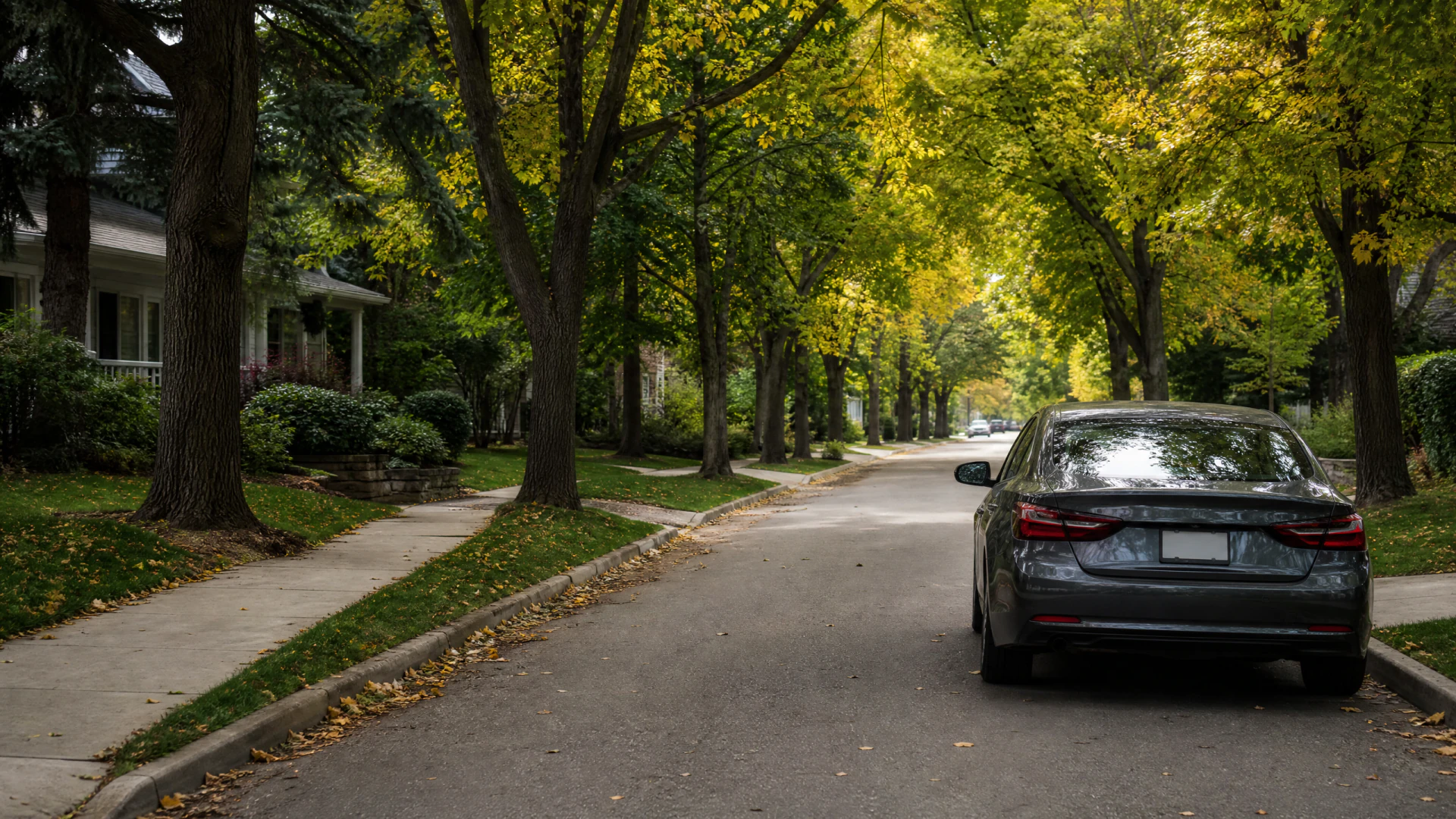
A storm came through overnight and a large branch came down across the hood and windshield of a car parked in the driveway. The owner filed a claim the next morning, and the insurer treated it as a comprehensive claim because it was weather damage to a parked, unattended vehicle. No one was driving, no other car was involved, and there was no question of fault.
The owner paid the deductible that applied to comprehensive coverage, which is usually lower than the deductible for collision. The repair shop replaced the windshield and buffed out the hood damage, and the claim closed within a couple of weeks. At the next renewal, the owner watched closely for a rate change tied to that claim and didn't see one that could be separated from normal adjustments insurers make every year. The claim stayed on the record as a comprehensive loss, which carries far less weight than an accident would, and it didn't change how the owner felt about staying with the same insurer or shopping around later.
What if the tree falls while I'm driving the car?
If the tree falls on your car while you're driving, that changes how the claim gets classified. A falling object hitting a car in motion is sometimes treated as a collision claim instead of comprehensive, depending on the insurer, because the car was in use rather than parked.
This matters because collision claims are weighed differently than comprehensive ones, even when you weren't at fault for a falling tree. Ask your insurer directly how they'd classify this scenario before it happens, since the deductible and the way it's recorded can differ from a parked-car claim. If you have a choice between comprehensive and collision deductibles, knowing this ahead of time helps you set them with your actual risk in mind.

Should you file a claim for the tree damage
If you do
You pay your comprehensive deductible and the insurer covers the rest of the repair. The claim gets logged on your record as weather or falling-object damage, not an at-fault accident. Your car gets fixed properly, and you avoid paying the full repair cost yourself, especially if the damage is more than cosmetic.
If you don't
You cover the entire repair cost yourself, which could be far more than a deductible would have been. Expensive damage might go unaddressed, leaving a cracked windshield or dented hood a long time. You also get no insurer record of the event, which only matters if you want a completely clean claims history.
Knowing this claim won't raise your rate like an accident, compare quotes on what you pay for comprehensive coverage.
What to check before and after a tree falls on your car
- Confirm comprehensive coverage Comprehensive coverage is what pays for falling-object damage, and it's optional in most policies. Check your declarations page now, before anything happens, so you're not surprised later.
- Know your deductible amount Your comprehensive deductible determines what you pay out of pocket before coverage kicks in. If it's high relative to the likely damage, filing a claim may not be worth it.
- Document the damage immediately Take photos of the tree, the damage, and the surrounding area before anything gets moved or cleaned up. This protects you if the insurer has questions about how the damage happened.
- Ask how the claim is classified Comprehensive and collision claims are treated differently by insurers when it comes to future rates. Ask directly how this specific claim will be coded on your record.
- Watch your next renewal closely Rate changes aren't always itemized by claim, so compare your renewal to the prior term and ask your insurer if anything shifted because of this claim specifically.
Why a falling tree doesn't work like a car accident
Insurance treats claims differently based on whether you had control over what happened. An at-fault accident suggests a pattern of risk tied to your driving, so insurers weigh it heavily when setting future rates. A tree falling on a parked car is random and has nothing to do with your driving behavior, so it carries much less predictive weight.
Comprehensive coverage exists specifically for these out-of-your-control events, things like weather, falling objects, animals, and theft. Because these events don't say anything about how you drive, insurers generally don't treat them the same way they treat collisions or moving violations. That's the underlying reason this type of claim tends not to move your rate the way an accident would.
That said, rates can still shift for other reasons at the same time, like broader cost increases in your area or changes to your policy term, and those shifts can look like they're connected to your claim even when they aren't. This is state dependent and insurer dependent, so the exact rules about how much a comprehensive claim affects pricing, and whether there's any effect at all, varies. Check your state's rules on claim surcharges and ask your specific insurer how they handle weather-related comprehensive claims.
The exception worth knowing is a pattern of frequent claims. Even comprehensive claims, if they happen often enough, can eventually affect how an insurer views you as a customer, separate from any single claim's classification. One tree falling on your car is unlikely to do this, but a string of unrelated comprehensive claims might prompt a closer look at your policy over time.
What matters isn't whether to file, but knowing which kind of claim this is, since that changes the outcome.