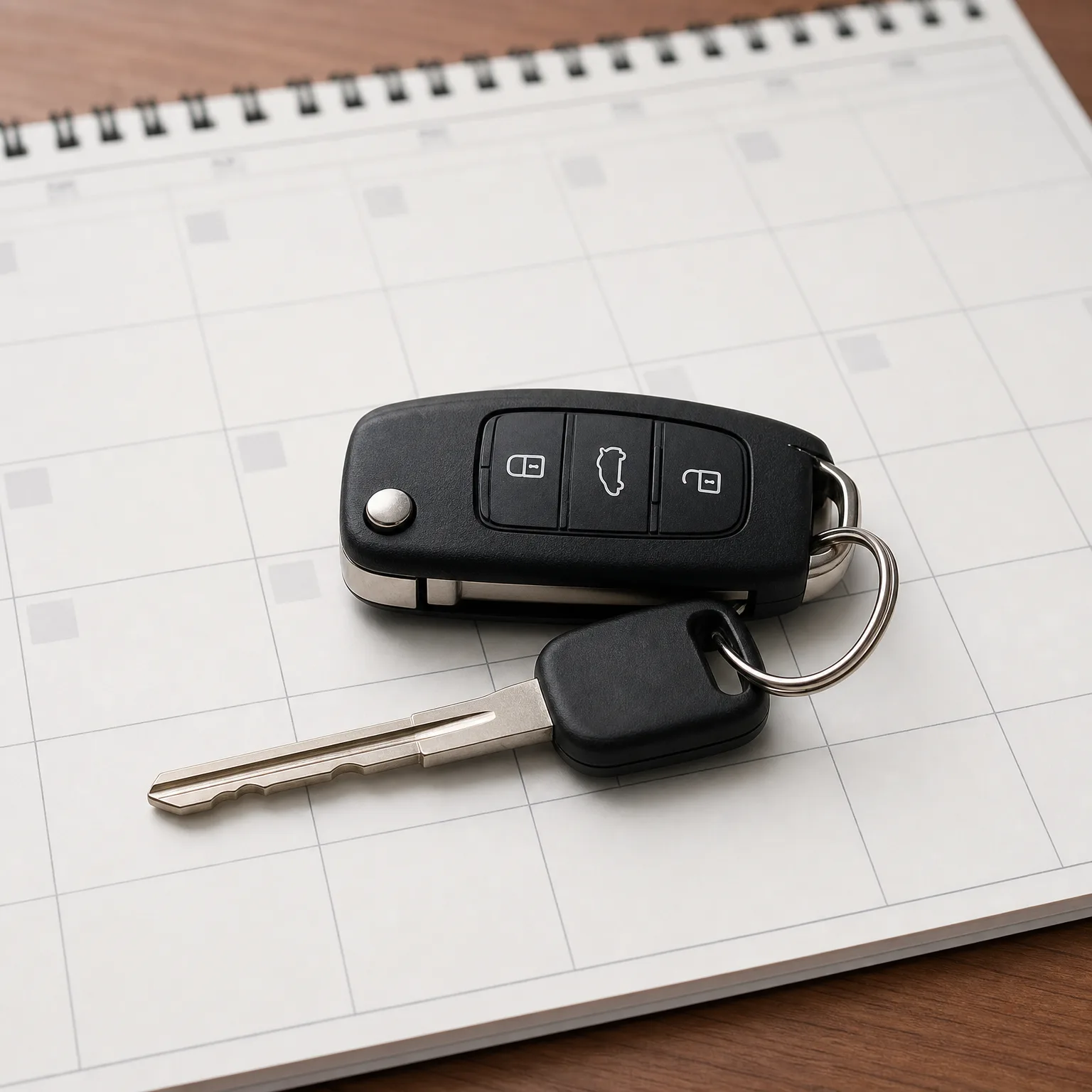
Why Should You Keep Your Car Keys in Foil at Night
Foil blocks a key fob's signal and can stop relay theft, but a signal-blocking pouch does the same job more reliably.
A driveway theft that didn't happen
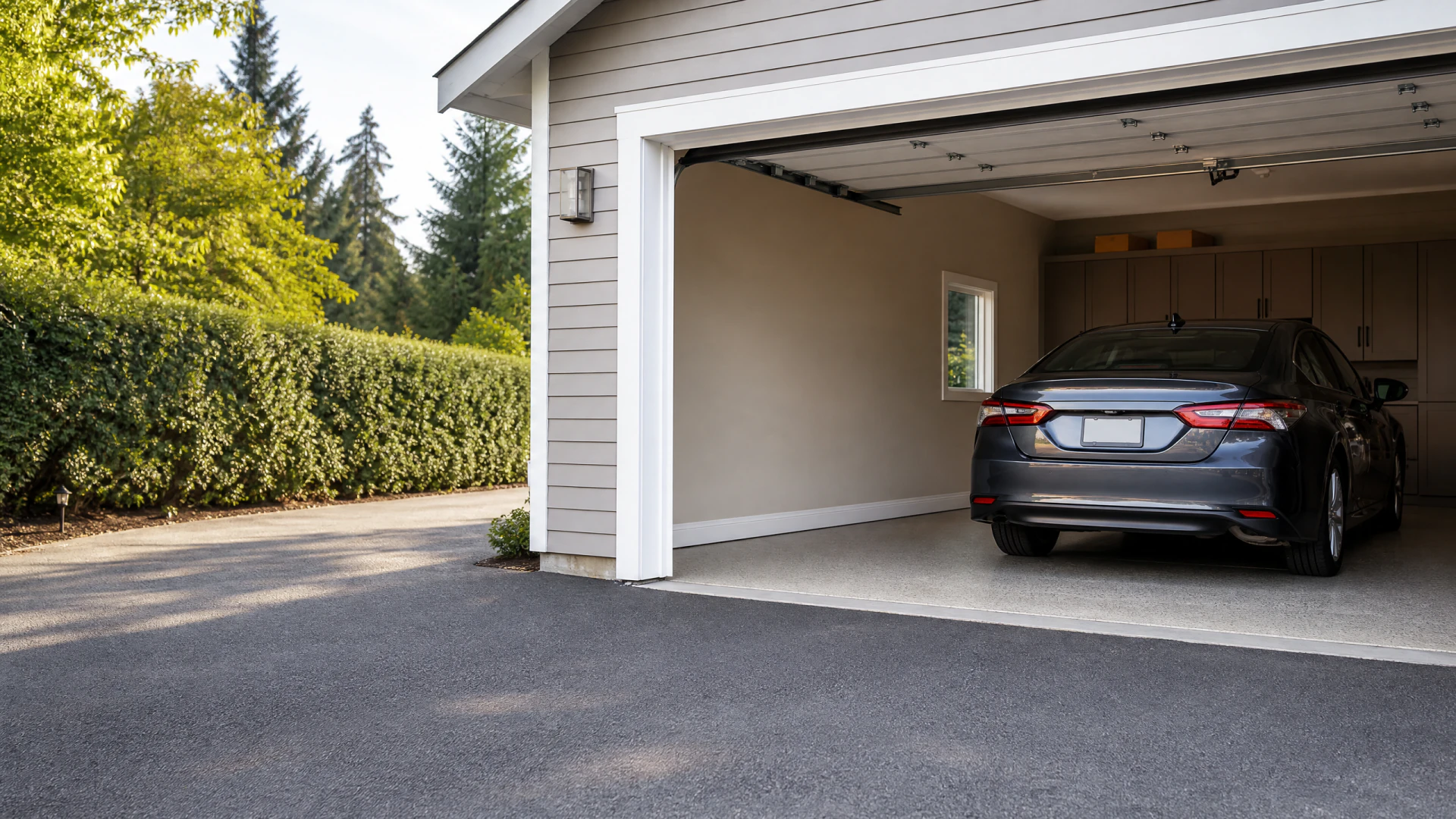
A couple who just moved into their first house parked both cars in the new driveway, no garage yet. A neighbor mentioned that cars with keyless entry had been stolen two streets over, lifted straight from driveways overnight without any broken glass or alarms going off. The couple checked their own car and found it used the same kind of keyless fob.
That night they wrapped both fobs in a few layers of foil and set them in a kitchen drawer away from the front windows. It worked as a stopgap, but the foil tore within a week and they weren't always sure it was wrapped tightly enough to actually block the signal. They ended up buying a signal-blocking pouch for a few dollars and kept using the detached garage once it was built. The fix mattered less than the habit, because the real protection was keeping the fob's signal from reaching the driveway at all, every single night, not just the nights they remembered.
The short version
Foil works because it blocks the radio signal thieves intercept to unlock and start your car without a key. It's a real fix, but flimsy and inconsistent. Use a dedicated signal-blocking pouch instead, and keep the fob away from exterior walls and windows overnight.
Does foil actually stop relay theft or is it a myth?
It's not a myth. Wrapping a key fob in metal foil blocks the radio frequency it uses to communicate with your car, which is exactly what a relay theft device depends on. If the signal can't get out, the device outside your house has nothing to capture and relay to the car.
The catch is consistency. Foil tears, loosens, and often doesn't fully wrap every side of the fob, so the block isn't reliable night after night. It works in testing and in a pinch, but it's not something you want to depend on as a permanent habit. A purpose-built pouch uses the same blocking principle with a seal that actually holds up.
Once you've decided how you're storing your keys, compare quotes to make sure your coverage fits your new neighborhood.
What actually determines whether this protects your car
- Full coverage, not a corner The fob has to be wrapped on all sides, not just folded once. Any gap lets the signal through, so check your wrap covers it completely before relying on it.
- Distance from exterior walls Signals can still reach a fob sitting near a front window or entryway table. Move the fob toward the center of the house, away from where a car would be parked outside.
- Foil degrades, pouches don't A torn or loosely folded wrap stops working without any obvious sign. A dedicated signal-blocking pouch holds its seal night after night, so it's worth the small cost.
- Consistency every night One unprotected night is enough for a theft to happen. Make blocking the fob part of the same routine as locking the door, not something you only remember occasionally.
- Check what your policy requires Some insurers ask about anti-theft steps or driveway versus garage parking when you move. Check your policy or ask your insurer whether storage habits affect your coverage or claims.
Why blocking the signal is the whole point
Modern key fobs constantly emit a low-level signal so the car can sense when the key is nearby and unlock automatically. That convenience is also the vulnerability. A relay device placed near your house can pick up that signal, even through walls, and relay it to a second device held next to the car. The car thinks the key is right there and unlocks, sometimes even starts.
Foil interrupts this because metal blocks radio frequencies. Wrap the fob completely and there's no signal to intercept in the first place. This isn't specific to any car brand or insurer, it's a property of how keyless entry systems communicate, so it applies the same way almost everywhere.
Where it gets inconsistent is the quality of the block. A loose wrap, a torn piece of foil, or a fob that's only partially covered can still leak enough signal for a sensitive relay device to pick up. That's why foil is usually described as a temporary or emergency fix rather than a long-term solution. A pouch or a metal box designed for this purpose seals more reliably and doesn't degrade with daily use.
There are cases where this doesn't matter as much, like older cars without keyless entry, or a car kept in a fully enclosed garage with no signal exposure to the street. If that's your situation, the risk this protects against mostly doesn't apply to you, though it's still worth checking what kind of key system your specific car uses.
Does parking in a garage make this unnecessary?
It reduces the risk but doesn't eliminate it. A closed garage puts distance and a physical barrier between your fob and the street, which makes it harder for a relay device to pick up the signal. But if the garage is attached and the fob sits near a shared wall, some signal can still leak through. Check how close your fob rests to any exterior-facing wall, and if you're unsure, block the signal anyway since it costs you nothing.
Will my insurance cover a car stolen without forced entry?
Usually yes, if you carry comprehensive coverage, since theft typically falls under that part of a policy regardless of how the thief got in. What varies is how insurers evaluate the claim and whether they ask about the circumstances, like where the car was parked or whether keys were secured. Check your policy's theft provisions and ask your insurer directly what documentation they'd want, since this can differ by state and by insurer.
Should I tell my insurer I moved to a neighborhood with more car theft?
Yes, because your address is already something insurers use to price risk, and a move usually triggers a required update anyway. Whether it changes your premium depends on how your new area compares to your old one for theft and claims history. Check with your insurer when you update your address, and ask specifically whether anti-theft steps you've taken could offset any increase.