Why Is My First Car Insurance Payment So High
Your first payment is high because your new address, your new policy start, and any unreviewed coverage are all stacking costs at once.
The price reflects everything that just changed about you
Insurers price you based on risk, and risk is tied to place as much as to person. The moment you moved, your zip code changed how often claims happen nearby, how expensive repairs and medical care are in that area, and how likely a car is to be stolen or vandalized on that street. None of that was true at your old address, so the new quote isn't really comparing you to you. It's comparing your new situation to your old one, and new situations often cost more until proven otherwise.
There's also a timing effect. A first payment after any policy change, including a move, often includes setup costs or a short adjustment period before your full history at the new address is factored in. Insurers don't have years of claims data for you at this exact location yet, so they price conservatively until they do.
Where you park matters too. If you went from street parking to a garage or driveway, that should eventually lower your risk profile, but it only helps if the insurer actually knows about it. An outdated policy still assumes your old parking situation, your old commute distance, and your old mileage, all of which quietly inflate the price.
Finally, bundling and shopping around change the math in opposite directions. Bundling with your new homeowners policy can lower the car premium through a multi-policy discount, but only if you ask for it explicitly. Not shopping around at all, on the other hand, means you're paying whatever your old insurer assumes about your new life, which is often the most expensive guess of all.
Will my car insurance go down once I update everything?
Yes, in most cases, once your policy reflects your actual new address, parking situation, and any bundling discount, the price should settle lower than that first surprising payment.
The first bill often includes assumptions made before you corrected anything, plus any adjustment period insurers apply to new information. Once your garage, your commute, and your mileage are accurately on file, and once a bundle discount is applied if you have one, the premium is recalculated against your real situation instead of a placeholder version of it. That said, how much it drops depends on your state and your insurer's own rules, so ask directly what changed and why.

The price assumes your old life, not your new one, so update your details before judging the number.
Once you've corrected your address, parking, and bundling, compare quotes to see what your real new rate should be.

Updating your policy now versus waiting until renewal
If you do
You call or go online, update your address, parking, and mileage, and ask about bundling with your home policy. The insurer recalculates using real information instead of defaults. Your next payment likely reflects your actual risk, and you find out immediately if a bundle discount lowers the total.
If you don't
Your policy keeps assuming your old commute, old parking, and no bundle discount. You keep paying for a version of your life that no longer exists. If you're ever in an incident, outdated details on file can also complicate how smoothly a claim gets handled.

A couple updates their policy after their first move
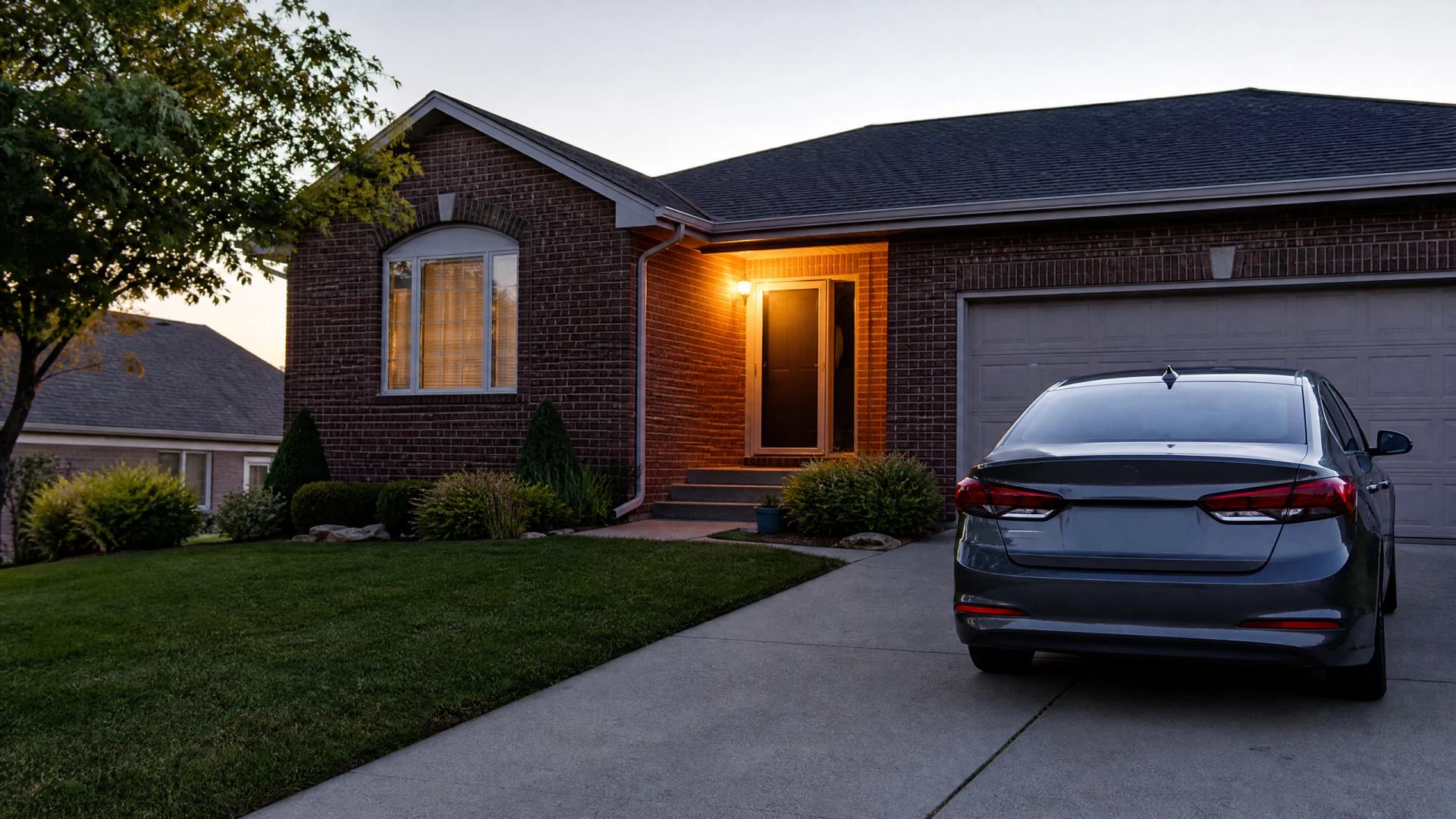
A couple moved into their first home and kept their existing car insurance policy untouched, assuming nothing needed to change since they still drove the same cars. Their first payment after the move came in noticeably higher, and they couldn't figure out why until they looked closely and realized the policy still listed their old apartment address and street parking, even though they now had a driveway and a garage.
They called their insurer, updated the address and parking details, and asked whether bundling the car policy with their new homeowners policy would help. It did, because the insurer offered a multi-policy discount that hadn't been applied automatically. Between the corrected details and the bundle, their next bill dropped back down closer to what they'd been paying before the move, and they also got a clearer picture of how their new neighborhood factored into the price going forward.