Why Is My Car Insurance Going Up Without Claims
Your rate can climb even with a clean record because insurers price the risk around you, not just your past claims.
Your rate reflects risk going forward, not just what you've done
Insurers set your price based on what they expect to pay out for people like you, in a place like yours, driving a car like yours. A clean record matters, but it's only one input. If the cost of repairs, medical care, or replacement vehicles rises in your area, your premium rises with it, even though you personally filed nothing.
A new address changes the math directly. Insurers track claims and theft patterns by zip code, and a move into a denser area, a different climate, or a place with more uninsured drivers can raise your base rate regardless of how carefully you drive. This is true everywhere, though how heavily location is weighted varies by state and by insurer, so it's worth checking how your specific area is classified.
Other quiet factors move the number too. Insurers periodically reprice based on broader claims trends across their whole pool of customers, not just you. Your credit-based insurance score, where state law allows its use, can shift the price. Even keeping an old policy without re-shopping can cost you, because insurers sometimes raise renewal prices for customers who stay put, betting they won't compare offers.
Where it works out differently is when you actively change the inputs. Parking in a garage, adjusting your coverage limits, or bundling with a home policy can offset some of the increase, though the effect depends on the insurer's specific pricing rules. None of these guarantee a lower price, but they give you real levers to pull instead of just accepting the renewal number.

A couple's renewal jumps right after their move
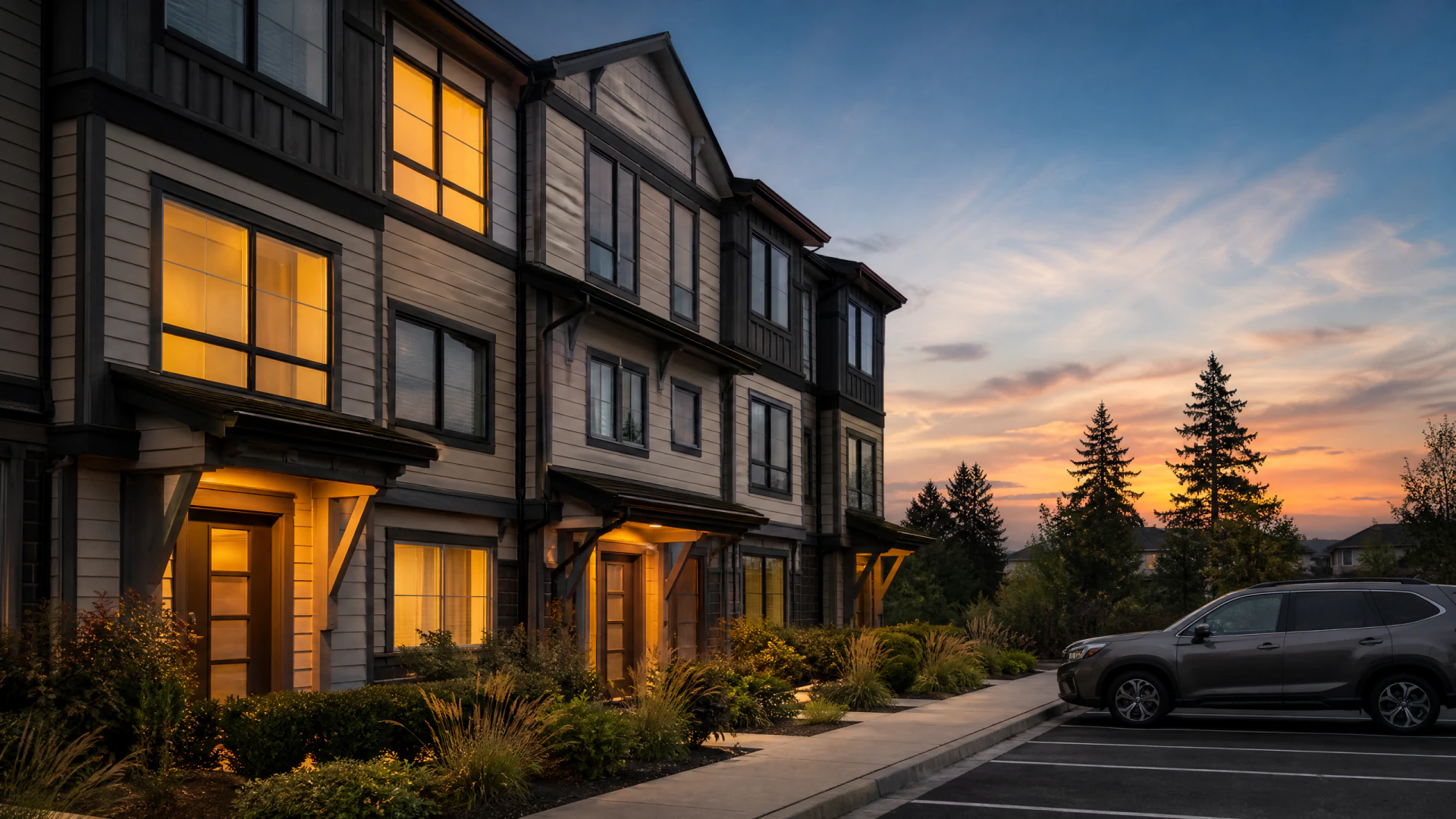
A couple who just bought a house got their car insurance renewal a few months later and found it higher than expected. Nothing had changed on their end. No tickets, no accidents, same two cars. They assumed it was a mistake and called to ask why.
The insurer explained that their new zip code had a different claims and theft history than their old rental neighborhood, and that alone shifted their base rate. The agent also pointed out they were still on their original policy from years earlier, never having compared it against current offers. The couple decided to get quotes elsewhere, mentioned they now had a garage instead of street parking, and asked about bundling with their new homeowners policy. The combination of garage parking and bundling brought their new quotes down below even their old premium, and they switched.

Compare quotes now that you know what's driving the increase, your address, garage, and bundling options.
Will my rate keep going up every year even if I never file a claim?
It can, because insurers periodically reprice everyone based on overall trends in claims costs, repair costs, and medical costs across their whole customer base, not just your individual history. A clean record slows the increase and often keeps you priced better than drivers with claims, but it doesn't freeze your rate in place.
What changes this is how often you check the market. Insurers don't automatically give loyal customers the best price, and some raise renewal prices quietly for people who don't shop around. Re-quoting periodically, especially after a move, a change in vehicles, or a new policy term, is the main way to keep your price aligned with what you'd actually pay as a new customer elsewhere.
What's actually moving your price after a move
- New zip code risk Insurers reprice based on local claims and theft patterns. Check how your new area is rated and ask directly how much of the increase comes from location.
- Garage versus street parking Where the car sleeps at night affects theft and damage risk. Tell your insurer if you now park in a garage, since it may lower your price.
- Bundling with your home policy Combining auto and home coverage can unlock a discount you didn't have as a renter. Ask your insurer directly what bundling would do to both premiums.
- Coverage limits from your lender A mortgage doesn't change your auto limits, but it's a good moment to reconsider them. Decide if your current limits still match your financial situation.
- Staying on an old policy Insurers sometimes raise renewal prices for customers who never compare offers. Get a fresh quote now instead of assuming your current price is still competitive.
Does my credit score affect my car insurance rate?
In many places, yes, insurers can use a credit-based insurance score as one factor in pricing, though some states restrict or ban this practice entirely. Check your state's rules directly, since this changes whether it's worth addressing your credit before you shop for quotes. If it is used, improving your credit over time can gradually lower your rate alongside other factors like location and driving record.
Should I raise my deductible to lower my premium after a move?
It can lower your premium, since a higher deductible shifts more of the cost onto you if you file a claim, and insurers price that tradeoff into your premium. Whether it makes sense depends on how much cash you could comfortably cover upfront after an accident. If money feels tighter right now after buying a home, weigh that comfort against the savings before changing it.
Will adding my new home address change my car insurance before renewal?
Yes, your address is a core rating factor, so insurers expect you to update it as soon as you move rather than waiting for renewal. Not updating it can affect claims handling and may violate your policy terms. Call your insurer directly after a move, give them the new address, and ask them to recalculate your premium immediately rather than waiting.