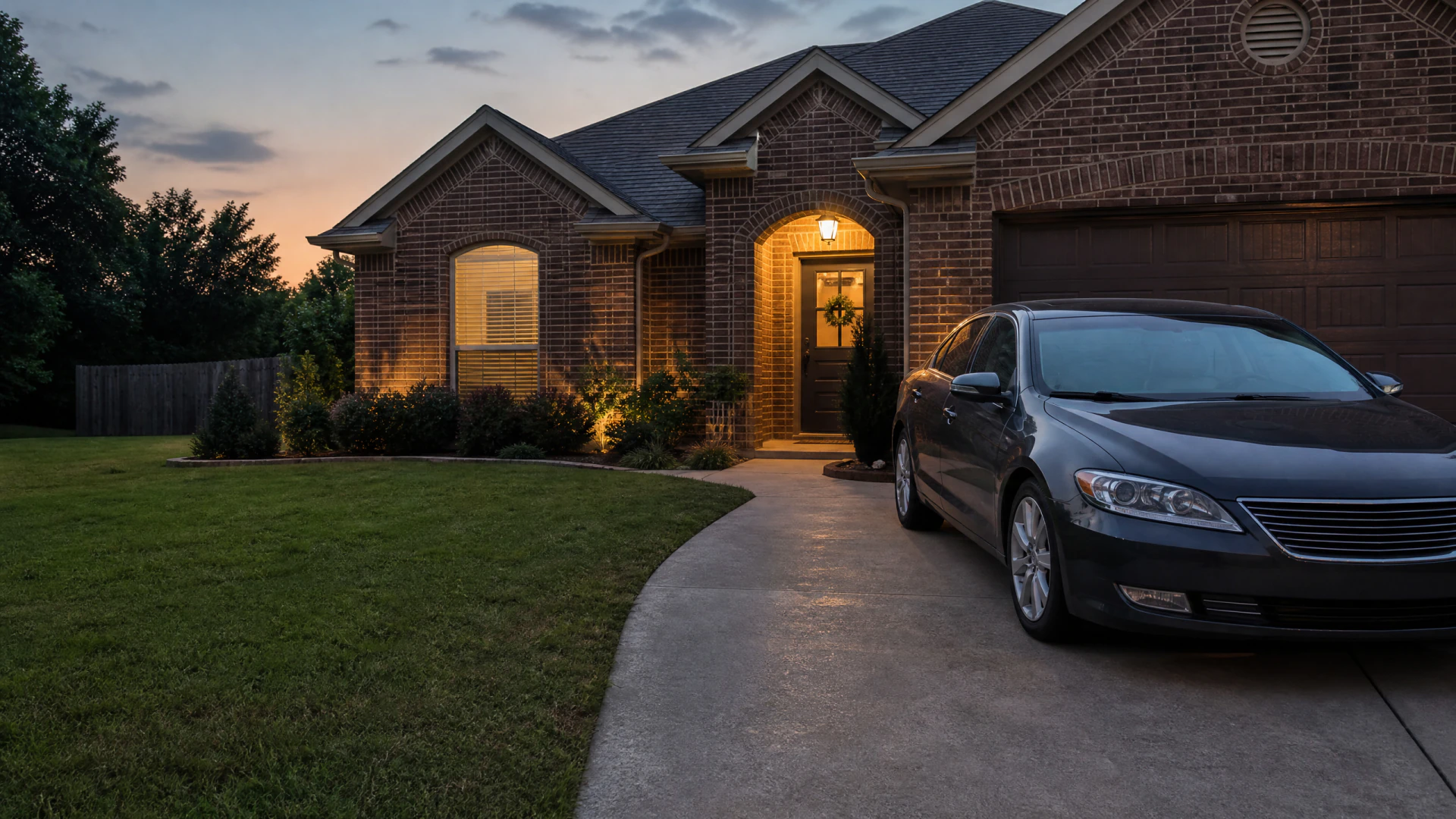
Why Is My Car Insurance 300 a Month with a Clean Record
A clean record keeps your rate from being worse, but location, coverage limits, your car, and your household set the actual price.
What's actually driving a rate this high
- Where you live now Your new zip code has its own claims and theft history that insurers price into every policy there. Check how your old and new addresses compare, since that gap alone can explain a big jump.
- The coverage limits you carry Higher limits and lower deductibles cost more every month, even with a perfect record. Review what your lender requires versus what you've added on top, and decide if you're paying for more than you need.
- The car itself Repair costs, safety record, and theft rates for your specific make and model all factor into the price. Ask your insurer for the rating details on your car, since swapping vehicles later could change the number.
- Everyone on the policy If a spouse, partner, or anyone else with a different history is on the policy, their record affects your shared rate. Confirm who's listed and whether removing or separating drivers makes sense.
- How long you've had this insurer Some insurers raise renewal prices quietly over time, counting on you not to check. Compare your current price against a fresh quote to see if loyalty is actually costing you.
A couple finds out their old rate was already outdated
A couple moved into their first home and kept the same car insurance they'd had for six years, figuring a clean record meant nothing would change. When the renewal came in at three hundred a month, they assumed it was a mistake, since neither of them had filed a claim or gotten a ticket. They called their insurer to ask what changed, and found out their new zip code carried a different risk profile than their old one, and their policy still listed an outdated address from before the move.
They asked the insurer to walk through the rate line by line, and found their collision deductible was lower than they needed and they were still covered for roadside assistance through a separate membership they'd forgotten about. They dropped the duplicate coverage, raised the deductible slightly, and got quotes from two other companies to compare against the updated price. One quote came back noticeably lower for the same limits, and they used it to either switch or negotiate with their current insurer. The record was never the problem. The policy just hadn't caught up to their new life.

Now that you know what's driving your price, compare quotes against it to see what a clean record should really cost.

Whether you shop around for a new quote
If you do
You get a clear picture of whether three hundred a month is normal for your new address, car, and coverage, or whether you're overpaying. You can use a lower quote to negotiate with your current insurer or switch outright, often keeping the same protection for less.
If you don't
You keep paying whatever your current insurer sets at renewal, with no way to know if it reflects your actual risk or just assumes you won't check. Rates can drift upward over years without you noticing, especially if your address or coverage details are outdated.
Why did my car insurance go up when I didn't do anything?
Your rate can change even without a claim or ticket because insurers regularly reprice based on where you live, repair costs, and broader claims trends in your area. A move, a renewal cycle, or even your insurer's own cost changes can all shift the number. Check your declarations page for what changed, your address, your coverage limits, or your listed drivers, since one of those is usually the cause. If nothing on the policy changed, ask the insurer directly what drove the increase.
Does bundling home and auto insurance actually save money?
It depends on the insurer and your specific situation, so the only way to know is to get a bundled quote and compare it against separate policies. Bundling often simplifies your bills and can lower the price, but not always, and some insurers price bundles more competitively than others. Ask for both a combined and an itemized quote so you can see exactly what each piece costs. If the separate quotes are cheaper, there's no rule that says you have to bundle.
Will a garage or driveway lower my car insurance rate?
It can, since where you park overnight affects theft and damage risk, and insurers often ask about it when you update your address. A garage usually helps more than a driveway, and a driveway usually helps more than street parking. Tell your insurer exactly how your car is parked now, since this is an easy detail to forget to update after a move. The actual effect depends on your insurer and your area, so ask them directly how much it changes your price.

A clean record only keeps your rate from climbing. It never promises the rate is fair for where you live now.


