Why Is Car Insurance So Ridiculously Expensive
Your rate reflects risk your insurer assigns to you, your car, and your new address, and most of those factors just shifted at once.

A couple's rate jumps after their move across town
A couple bought their first house and kept their old policy, figuring nothing about the cars had changed. Three weeks later their renewal came in higher, with no accidents and no changes they could point to. They called their insurer confused, because the cars were the same and so were the drivers.
The agent walked through what actually changed. Their new zip code had a different claims history for the area, their commute was longer, and they no longer had the multi-policy discount tied to their old renters coverage. None of it was a mistake. They added their new homeowners policy with the same company, adjusted their mileage estimate to match the real commute, and asked for a review of their coverage limits now that they had more to protect. The new total came in lower than the renewal notice, not because the insurer made an error, but because nobody had told the policy what had changed.

The short version
Car insurance costs what it costs because it prices risk, built from where you live, how far you drive, what you drive, and your claims history. Moving changes several of these at once. Update your address and mileage with your insurer, then compare quotes so you're working from fresh numbers.
Will my rate go down again once I'm settled in?
Not automatically. Insurers don't lower your rate just because time passes or because you've stopped thinking about the move. Your premium reflects your current profile, and if your new address, commute, or vehicle use stays the same, so will the pricing logic behind your rate.
What actually brings a rate down is a change in the factors that built it up. That might mean a shorter commute than you first reported, a garage instead of street parking, a clean record after enough time passes, or simply finding an insurer whose pricing fits your situation better than the one you've had for years. Settling in doesn't change your rate. Updating your details and comparing quotes does.
Now that you know what's actually driving your rate, compare quotes to see what your new situation really costs.

Update your policy details after a move or just let it ride
If you do
You tell your insurer your new address, commute, and anything else that changed. Your rate gets recalculated accurately, and you're covered correctly if something happens. You also become eligible for discounts tied to your new situation, like bundling or garage parking, that you weren't getting before.
If you don't
Your policy still shows your old address and old commute. You might be paying for risk you no longer carry, or worse, underpaying in a way that causes problems at claim time. An insurer can question coverage if your actual situation doesn't match what's on file.

These factors are what actually set your price
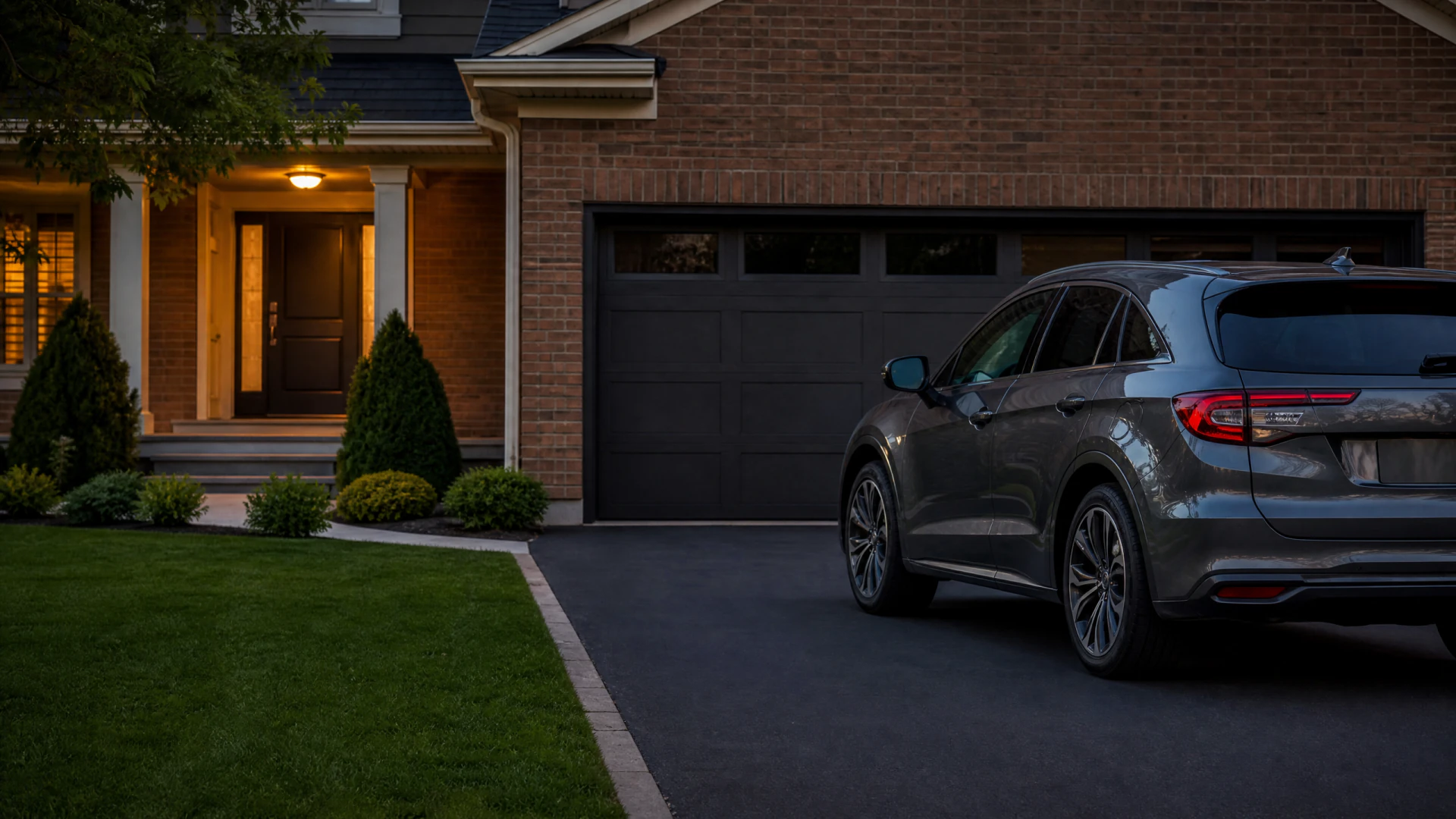
- Where you garage the car Your zip code carries its own claims and theft history, separate from the rest of the city. A garage or driveway instead of street parking can also lower risk in an insurer's eyes.
- How far and how often you drive More miles means more exposure to accidents, so a longer commute after moving usually raises your rate. Update your estimated annual mileage so it reflects reality, not your old route.
- Bundling with your home policy Insuring your car and home together often unlocks a discount neither policy gets alone. It's worth asking your current insurer and at least one competitor what bundled pricing looks like.
- Your limits and deductible Higher limits cost more upfront but protect more of what you now own, which matters more with a mortgage. A higher deductible lowers your premium if you can comfortably cover that amount out of pocket.
- Your claims and driving history Past accidents or violations stay factored into your price for a period that varies by insurer. This doesn't change with a move, but it does fade over time if your record stays clean.