Why Does Car Insurance Cost More Than House Insurance
Car insurance usually costs more than home insurance because you're far more likely to file a car claim, and more often, over your lifetime.
It comes down to how often each kind of claim happens
Insurers price a policy based on how likely you are to file a claim and how much that claim will probably cost. A house mostly just sits there. It might face a storm or a fire once in a long while, but most years nothing happens at all. A car is out in traffic every day, next to other drivers making mistakes, in weather, on unfamiliar roads after a move. That constant exposure means claims happen far more often, even if each one costs less than rebuilding part of a house.
Car insurance also covers things home insurance doesn't touch. It pays for injuries to other people, lost income from a crash, legal costs if you're sued, and repairs to other people's property, not just your own car. Home insurance mostly protects the structure and your belongings. When a policy has to cover harm to other people, not just your own stuff, the range of what could go wrong gets much wider, and so does the price.
Where you live still matters for both. A new zip code can raise or lower your car insurance based on local accident rates, theft, and how expensive repairs are in that area. It can do the same for home insurance based on weather risk and local construction costs. Neither price is fixed just because you moved. Both get recalculated.
This isn't universal in every case. Someone with a very high value home in a disaster prone area, or a driver with a long clean history and an older paid off car, can see the usual order flip. The pattern holds most of the time, but it's worth checking your own numbers rather than assuming.
What actually moves your car insurance price now
- Your new zip code Local accident rates and repair costs shift what you pay. Check your policy after a move instead of assuming it carried over unchanged.
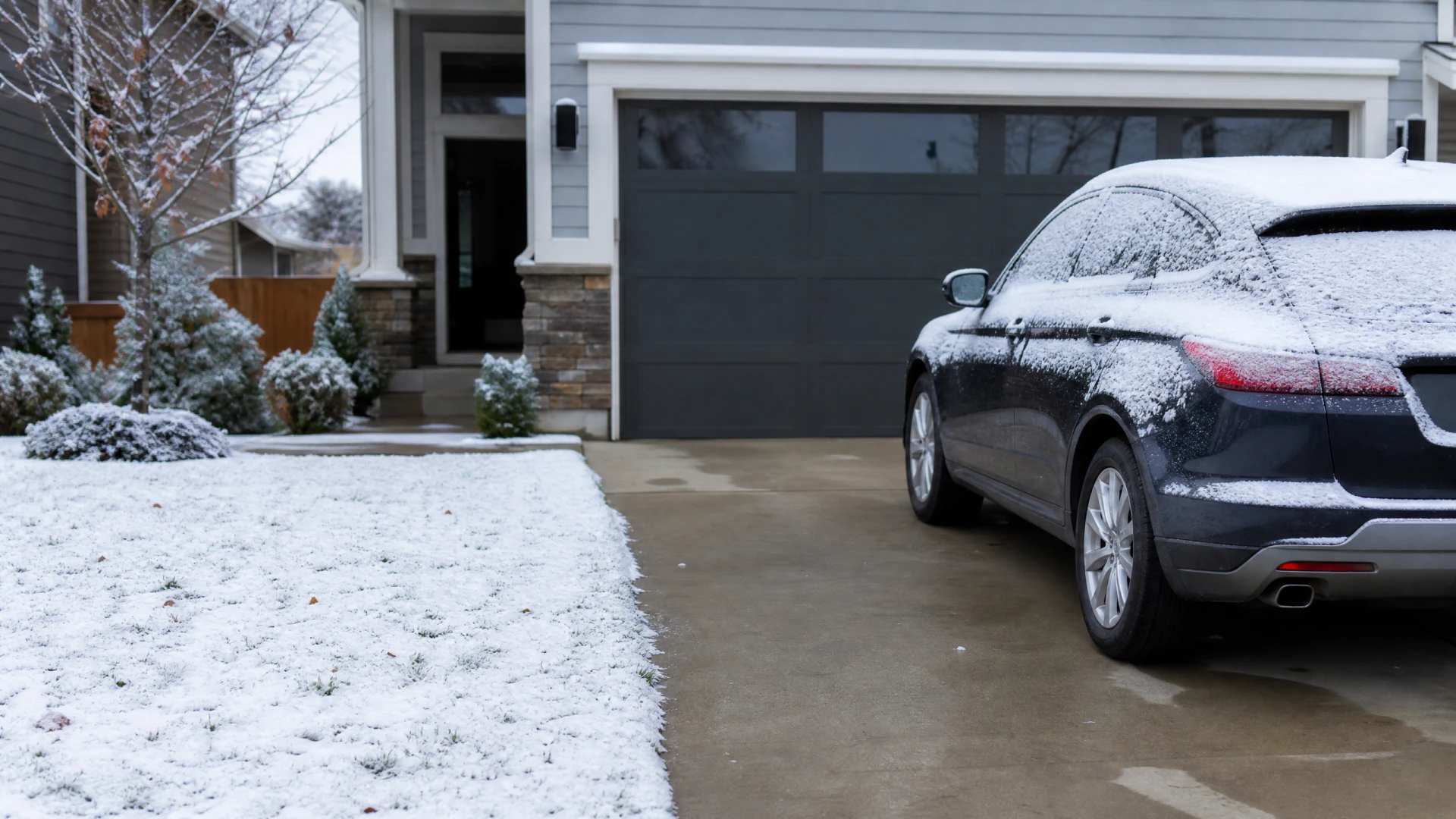
- Having a garage A car parked inside overnight is less likely to be stolen or damaged by weather. Ask your insurer if a garage qualifies you for a lower rate.
- Bundling home and auto Many insurers lower both prices when you hold both policies with them. Ask your current home insurer for an auto quote before assuming you'll switch elsewhere.
- Raising your liability limits Higher limits protect savings you didn't have before, like home equity. Ask what it costs to raise limits rather than leaving them at old, lower levels.
- Shopping around now A move is a natural point to compare, since your risk profile just changed. Get quotes before renewing out of habit.
The price gap isn't a pricing quirk, it reflects how often each kind of claim actually happens.
Now that you know why the price gap exists, compare quotes to see what your new address actually changes.
A couple settles into a new house and checks their old policy
A couple moves into their first home, financed with a mortgage that required a homeowners policy. Their car insurance was set up years earlier in a different city, under a different address, with limits they picked without much thought at the time. After closing, they start getting mail from their home insurer about bundling options and realize they haven't looked at the car policy since before the move.
They check their new zip code's accident data and find it's a little higher than their old one, so they expect some increase. They also have a garage now, which they didn't before, so they ask their insurer if that lowers anything. They raise their liability limits because they now have home equity that could be at risk in a lawsuit. Then they get quotes from two other insurers and from their homeowners insurer directly, since bundling might offset some of the increase. The new policy ends up costing somewhat more than before, but less than it would have without the garage discount and the bundle, and they know the higher limits are protecting something real now.
Does bundling home and auto insurance actually save money?
Usually yes, but the amount varies by insurer and by state, so it's worth confirming rather than assuming. Bundling works because insurers want to keep more of your business under one roof, so they lower the combined price to reduce the chance you'll shop elsewhere. Ask your home insurer for an auto quote and compare it against a standalone auto quote from another company. In some cases a specialist insurer beats the bundled price even after the discount, so check both before deciding.
Should I raise my car insurance liability limits after buying a house?
Yes, in most cases, because you now have home equity that a lawsuit could put at risk after a serious accident. Liability coverage pays for harm to other people and their property, and if a claim exceeds your limit, your personal assets, including home equity, can be pursued to cover the rest. Check what limits your state requires versus what's actually recommended, since the legal minimum is often lower than what protects you. Ask your insurer what raising limits would cost, since it's often a modest increase for meaningfully more protection.
Does where I park my car at night affect my insurance rate?
Yes, usually, because insurers factor in theft and weather damage risk based on where a car sits overnight. A garage or secured driveway typically lowers risk compared to street parking, and some insurers reflect that with a lower rate. Check with your insurer directly, since not all of them weigh this the same way or ask about it by default. If you have a garage now and didn't before, mention it, since it may not automatically update on its own.