Who Pays if Someone Vandalizes Your Car
If you carry comprehensive coverage, your own insurer pays for vandalism damage after you cover the deductible.
Comprehensive coverage exists for exactly this kind of damage
Car insurance splits into categories based on what caused the damage. Liability covers harm you cause to others. Collision covers crashes. Comprehensive covers everything else that isn't a crash, including theft, falling objects, weather, and vandalism. If someone keys your car, smashes a window, or slashes your tires, that falls under comprehensive, not liability, because no collision happened and you didn't cause it.
This matters because comprehensive is optional. If you dropped it at some point to save money, or if your current policy never had it added, vandalism damage comes out of your pocket entirely. Lenders usually require comprehensive while you have a loan on the car, but once a car is paid off, some people drop it without realizing what they're giving up.
When comprehensive does apply, you pay your deductible and the insurer covers the rest, up to your car's value. A higher deductible means a lower premium but more out of pocket when something like this happens. After moving, your deductible and coverage level are both worth checking, since a new garage, a new neighborhood, or a new zip code can shift what makes sense.
The insurer only pays for what's covered. Mechanical issues unrelated to the vandalism, prior damage, or wear and tear won't be included, so the payout matches the actual harm done, not a full repaint or upgrade you were already planning.
A window smashed overnight, a deductible paid, a claim closed in days
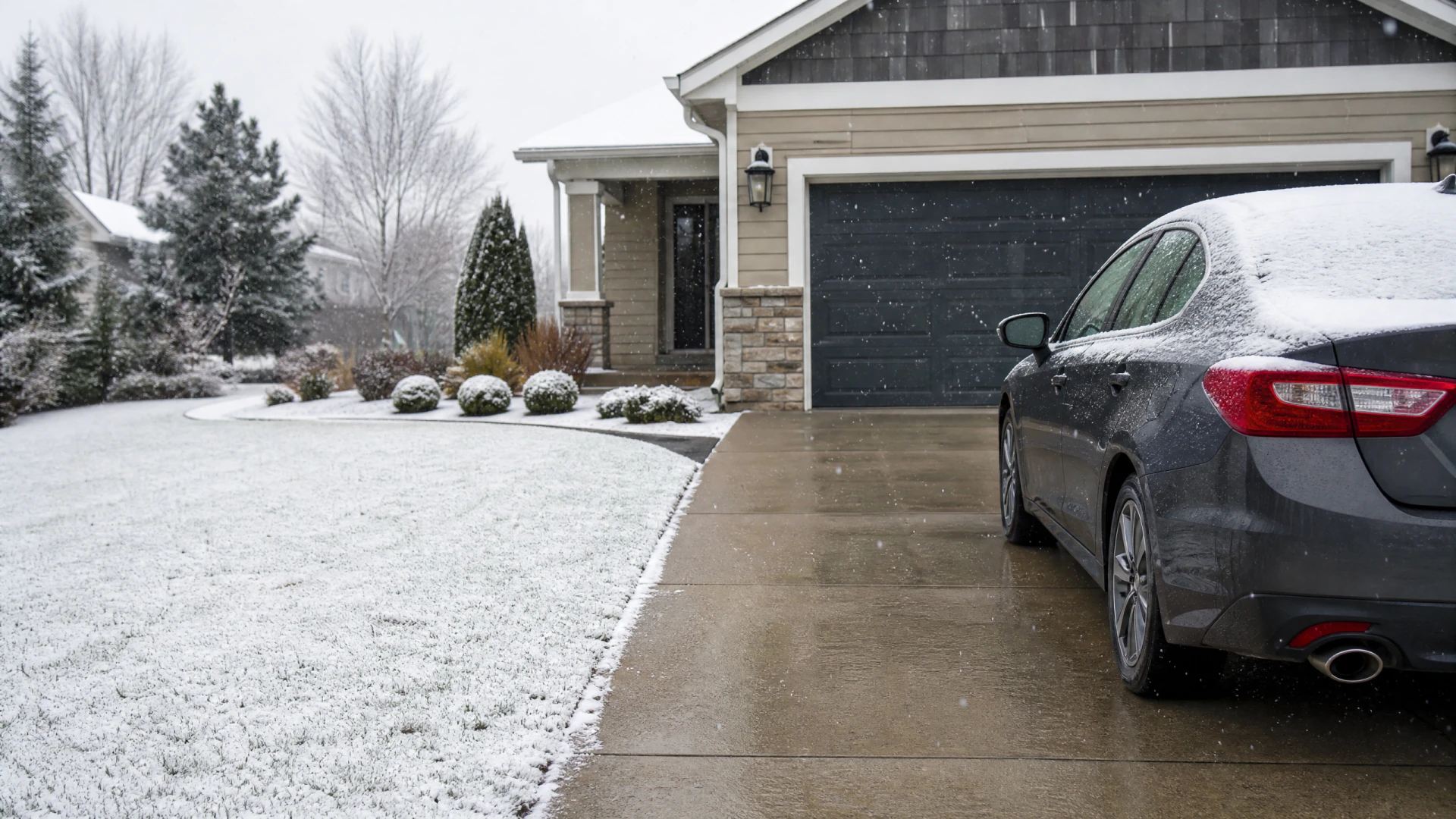
Someone keyed a car parked on the street and broke a side window the same night. The owner, newly moved into a house with no garage yet, found the damage the next morning. They filed a police report first, since most insurers ask for one with vandalism claims, then called their insurer to start a comprehensive claim.
The insurer sent an adjuster to assess the damage, confirmed it was covered under comprehensive, and the owner paid their deductible before repairs began. The total repair cost was moderate, mostly glass and paint work, and the claim closed within a couple weeks. The owner noticed their next renewal premium ticked up slightly, a reminder that even no-fault claims can affect pricing, and they started looking into whether a garage or covered parking made sense now that they owned the home.

Once your coverage and deductible match where you live now, compare quotes to find the right price.
Will a vandalism claim raise my insurance rate?
It can, even though you weren't at fault. Comprehensive claims are rated differently than at-fault accident claims, so the increase is usually smaller, but insurers still track how many claims you file, since frequent claims of any kind suggest higher future risk.
Whether it raises your specific rate depends on your insurer's rules, your claims history, and sometimes your state's regulations on how comprehensive claims factor into pricing. Some insurers offer forgiveness for a first claim or exclude comprehensive claims from surcharges entirely. If you're unsure, ask your insurer directly before filing, since for minor damage near your deductible amount, paying out of pocket might cost less over time than the premium increase.

What determines whether you're covered and how much you'll pay
- Comprehensive coverage This is the specific coverage that pays for vandalism. Check your policy declarations page to confirm you have it, since it's optional and sometimes dropped after a loan is paid off.
- Your deductible amount You pay this amount before the insurer pays anything. If your deductible is close to the repair cost, filing a claim may not be worth it.
- A police report Most insurers require one to process a vandalism claim. File it quickly, since some have a reporting window that affects whether the claim is accepted.
- Where you park A garage or driveway lowers vandalism risk compared to street parking, which can affect both your odds of this happening again and your premium.
- Your claims history Filing raises the number of claims tied to your policy, which can affect pricing even for no-fault events. Weigh the repair cost against a potential rate increase first.
Does comprehensive coverage also cover a stolen car?
Yes, theft falls under comprehensive coverage the same way vandalism does, since neither involves a collision. If your car is stolen and not recovered, comprehensive pays out based on its value at the time, minus your deductible. If it's recovered with damage, that damage is handled the same way a vandalism claim would be, through the same comprehensive coverage and deductible.
Is it worth filing a claim for minor vandalism damage?
It depends on how the repair cost compares to your deductible and potential rate increase. If the damage barely exceeds your deductible, paying out of pocket often costs less long term, since you avoid any claim showing up on your history. For significant damage well above your deductible, filing usually makes sense. Call your insurer and ask how a claim like this typically affects renewal pricing before deciding.
Should I get a garage or covered parking after this happens?
It's worth considering, since covered parking reduces exposure to vandalism, weather damage, and some theft risk, all of which fall under comprehensive coverage. Some insurers offer a lower premium if you report garage parking instead of street parking. Check whether your insurer asks about parking location and update it if your situation changed when you moved, since this is often overlooked after a move.