Who Is Liable if My Neighbors Tree Falls on My Car
In almost every case, your own car insurance pays for the damage, not your neighbor.
A storm, a tree, and a dented hood
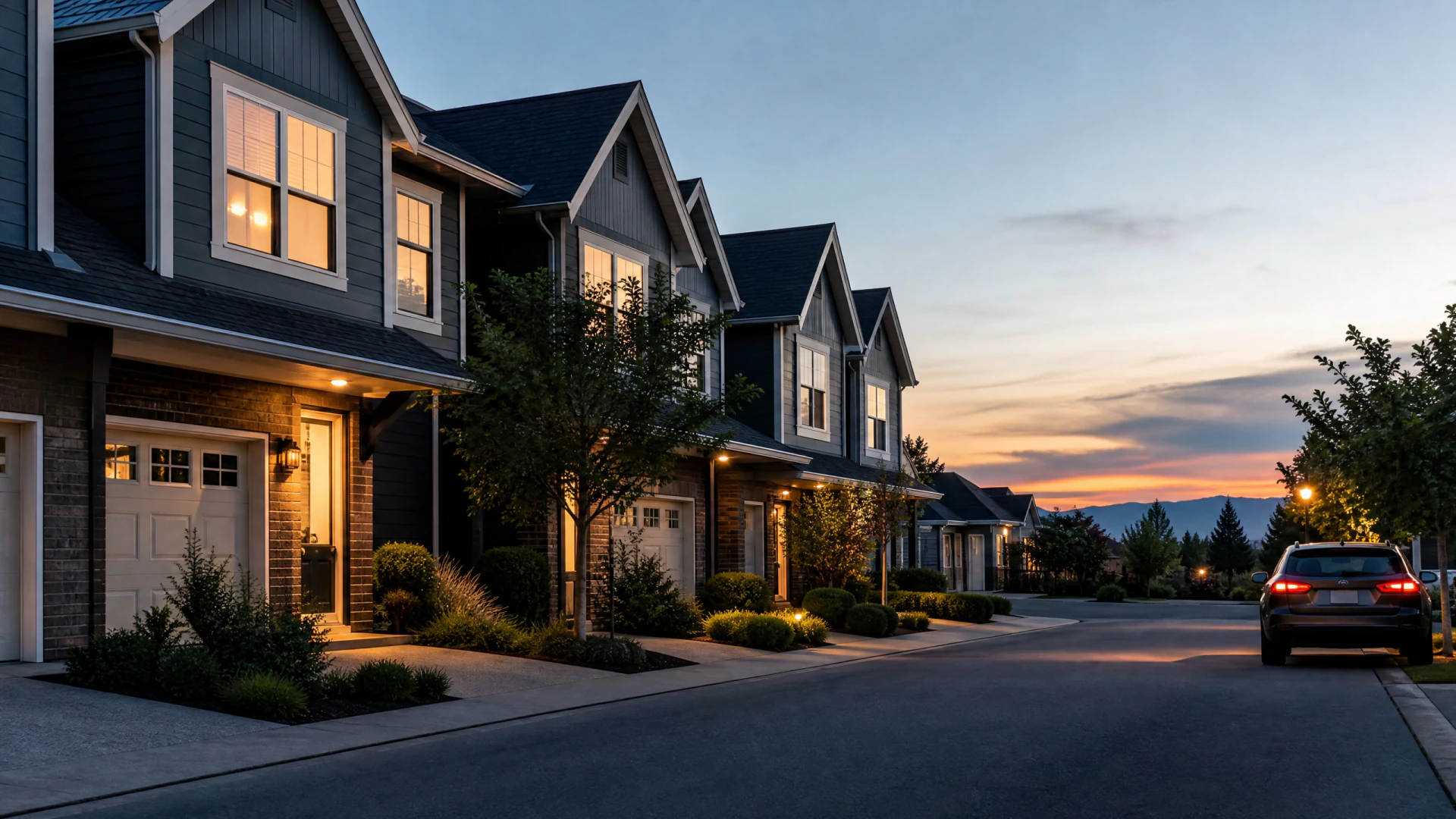
A windstorm knocked a large branch from the neighbor's tree onto the hood and windshield of a car parked in the driveway. The owner's first instinct was to knock on the neighbor's door and ask them to cover the repair, since it was their tree. The neighbor felt bad but said their homeowners policy likely wouldn't cover someone else's car, and they were right.
The car owner called their own insurer instead and filed a claim under comprehensive coverage, since falling objects are exactly what that coverage is for. The insurer sent an adjuster, approved the repair, and the owner paid the deductible out of pocket. The claim closed within a couple weeks. Afterward, the owner looked at raising their comprehensive deductible slightly and mentioned the claim to their agent when comparing other quotes, just to see if a different insurer would have handled it differently or cost less going forward.
Can I make my neighbor pay instead of using my own insurance?
Usually not, unless you can show real negligence, like a tree the neighbor knew was dead or rotting and ignored. A tree falling during a storm is normally treated as an act of nature, and nobody is at fault for that. Fault matters a lot here because liability insurance only pays when someone is legally responsible for the damage.
If you believe the neighbor ignored a clear hazard, you can ask them to file a claim under their homeowners liability coverage, but expect pushback and possibly a denial. Most people find it faster and less stressful to let their own comprehensive coverage handle it, then decide separately whether to raise the issue with the neighbor about the tree itself.
Stop treating this as your neighbor's problem. It's your comprehensive coverage's job, almost every time.
Now that you know whose coverage pays, compare quotes to make sure yours fits this kind of risk.
File with your own insurer or chase your neighbor first
If you do
You call your own insurer, open a comprehensive claim, and get an adjuster assigned quickly. Repairs move forward within days, you pay your deductible, and the process stays predictable. You can still mention it to the neighbor afterward if you think their tree was clearly hazardous beforehand.
If you don't
You wait on the neighbor to admit fault or involve their insurer, who will likely deny it since no negligence exists. Weeks pass, your car sits damaged, and you end up filing with your own insurer anyway, just later and more frustrated.
What decides who pays for the damage
- Comprehensive coverage This is the coverage that pays for falling objects like tree limbs. Check that you have it, since liability-only policies won't cover this kind of damage.
- Fault versus nature A storm-felled tree is usually nobody's fault legally. Only a known hazard the neighbor ignored can shift responsibility onto them.
- Your deductible You'll pay this amount before coverage kicks in. Decide now if it's low enough to make filing worthwhile for this kind of repair.
- Documentation Take photos of the tree, the damage, and the weather conditions right away. This protects you whether you file with your insurer or ever need to make a negligence case.
- State rules on trees Some states have specific rules about tree disputes between neighbors. Check your state's guidance before assuming you have no recourse at all.
Does filing a comprehensive claim for a fallen tree raise my rates?
It can, but less than an at-fault accident would, since comprehensive claims are usually treated as no-fault events. Some insurers still factor in claim frequency regardless of fault. Check your policy's claim history rules or ask your agent directly, since this varies by insurer. If you've had several recent claims, a small increase is more likely than if this is your first one in years.
What if the tree was already dead before it fell?
This is the clearest case for neighbor liability, since a visibly dead or rotting tree suggests the owner should have removed it. You'd need evidence it was dead beforehand, like photos, complaints you made earlier, or a neighbor's own admission. Without that proof, insurers and courts typically default back to treating it as an act of nature, so document everything you can.
Should I ask my neighbor to remove the rest of the tree now?
Yes, especially if part of it still hangs near your property, since another storm could cause repeat damage. This is a separate conversation from the insurance claim and doesn't require assigning blame. Local ordinances sometimes require tree removal if it's hazardous, so check with your city or county if the neighbor won't act.