Which Insurance Policy Is Best for an Old Car
For an old car, the right policy usually drops full coverage and keeps liability plus any coverage your state requires.
What to check before you change anything
- Find the car's cash value Look up what your car would sell for today, not what you paid or what you owe. This number tells you whether paying for collision and comprehensive still makes sense.
- Compare payout to premium If a year of extra coverage costs close to what the car is worth, you're not protecting much. Drop the coverage and keep the money instead.
- Check your loan status If you still owe money on the car, your lender may require certain coverage until it's paid off. Confirm this before you cancel anything.
- Keep liability regardless Liability covers damage you cause to others and is required almost everywhere. Age of the car doesn't change this, your driving does.
- Ask about gap coverage If you owe more than the car is worth, gap coverage can matter even on an older loan. Check your loan balance against the car's value to see if it still applies.
What if my old car gets totaled with only liability coverage?
If someone else causes the accident, their liability coverage pays for your car, so you're not left without a payout just because you dropped your own collision and comprehensive.
If you cause the accident, or no one else is at fault, liability alone won't pay to repair or replace your car. That's the actual tradeoff you're making when you drop coverage, not a flaw in liability itself. Weigh that risk against what you'd spend keeping full coverage on a car that isn't worth much. For many older cars, the math favors dropping it, but only you can decide if you could absorb the loss if it happened tomorrow.
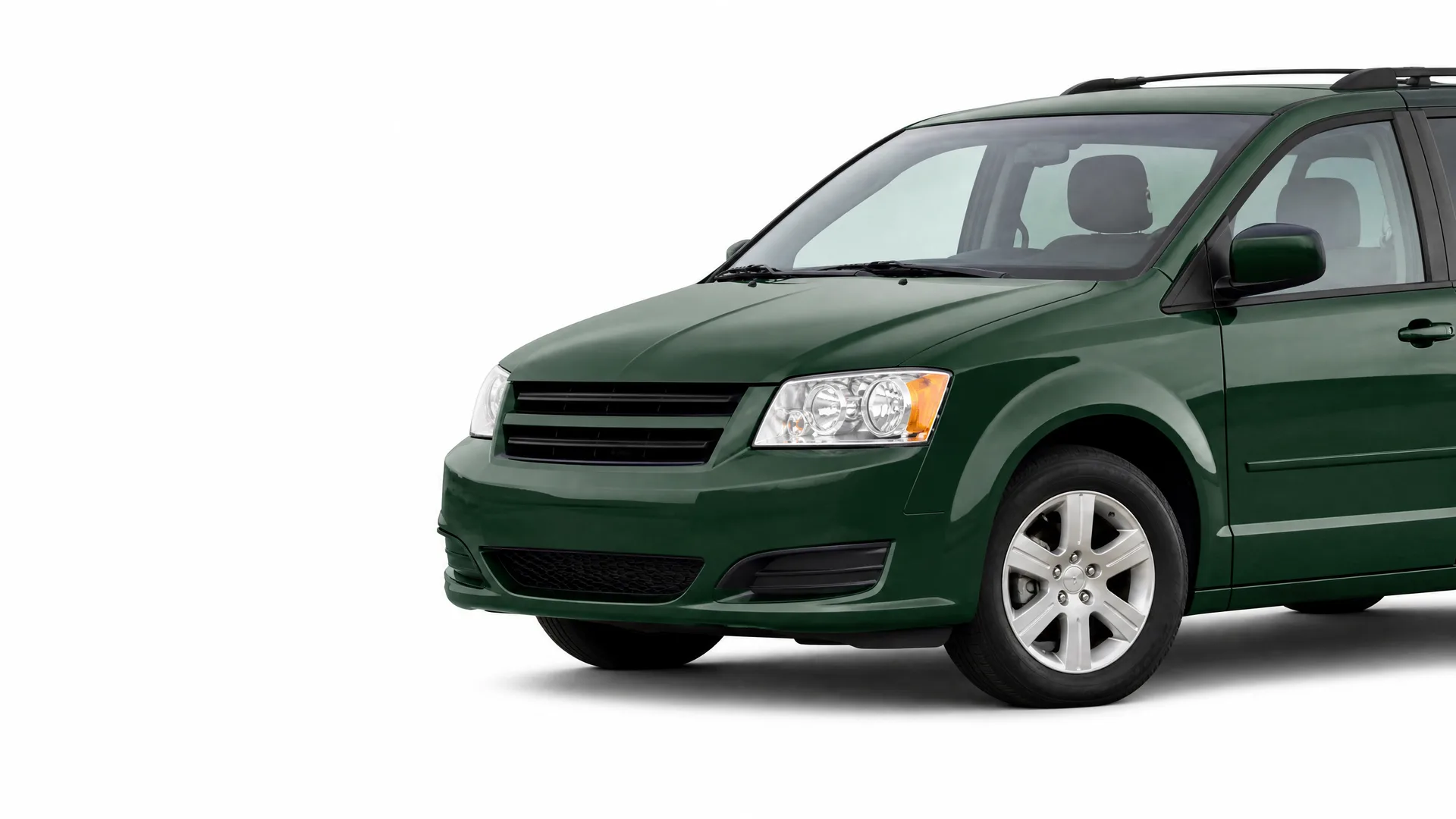
The question isn't what the car means to you, it's what a company would pay you for it today.
Once you know what coverage your old car actually needs, compare quotes to see what that coverage should cost.
Why coverage choices change as a car ages
Collision and comprehensive coverage exist to pay you the car's current value if it's damaged or stolen. As a car ages, that value drops, but the cost of the coverage doesn't drop at the same pace. Eventually you can be paying a meaningful amount every year for a payout that's shrunk to a fraction of what it once was.
Liability works differently because it's not about your car at all. It covers the damage and injuries you cause to other people and their property, and that risk doesn't shrink as your car ages. This is also why liability requirements exist almost everywhere, regardless of what you drive.
The decision gets more complicated if you still owe money on the car. Lenders typically require collision and comprehensive as a condition of the loan, since the car is their collateral too. Once the loan is paid off, that requirement disappears and the choice becomes entirely yours.
There are cases where keeping fuller coverage still makes sense even on an older car. If you couldn't easily afford to replace the car out of pocket, or if comprehensive is priced low in your area because of local theft or weather risk, the math can tip the other way. This is also something that varies by insurer and by state, so it's worth checking actual numbers rather than assuming based on the car's age alone.

How do I find out what my car is actually worth?
Use an independent valuation tool or check recent sale prices for the same make, model, year, and condition in your area. Don't rely on what you paid or what you still owe, since both can be far from the car's current market value. This number is what determines whether collision and comprehensive are worth keeping.
Will dropping full coverage lower my rate a lot?
It depends on your insurer, your driving record, and your state, so the only way to know is to get a quote with and without it. Generally the savings are larger for older cars because comprehensive and collision premiums are based partly on the car's value. Ask your insurer for both numbers side by side.
Should I bundle my old car with my home insurance policy?
Bundling can lower your overall cost, but whether it beats separate policies depends on each insurer's pricing, so compare both ways before deciding. Some insurers discount bundles heavily, others don't. Check if your homeowners insurer also writes auto policies in your state and ask for a bundled quote to compare directly against separate ones.