When You Cancel Car Insurance Is It Effective Immediately
Yes, cancellation can happen the moment you request it, but you need to pick the date and confirm it in writing.
Your insurer sets the cutoff, not the calendar
Car insurance is a contract you can usually end whenever you want, because you're the one paying for the coverage. Most insurers will cancel on the exact date you ask for, including the day you call. The policy doesn't need to run out on its own or wait for a renewal cycle.
What changes is how the money gets settled. If you paid ahead, you're typically owed a refund for the days you won't be covered. If you pay monthly, cancelling early might still trigger a small fee depending on the insurer's rules, so it helps to ask directly rather than assume.
The bigger risk isn't timing, it's the gap. If you cancel before new coverage starts, even for a day, you create a lapse that shows up in your insurance history and can make future rates higher. That's why the smart move is lining up the new policy's start date before you cancel the old one, not after.
This part is the same everywhere, but the fine print on refunds, fees, and notice requirements varies by insurer and sometimes by state. Check your policy documents or ask your agent directly, since some states require written notice or a minimum number of days before cancellation takes effect.

The short version
Cancellation can be immediate once you request it, but the real goal is avoiding a coverage gap. Line up your new policy's start date first, then cancel the old one for that same day. Confirm the cancellation in writing and ask about any refund you're owed.
Switching after the move, without a gap in coverage
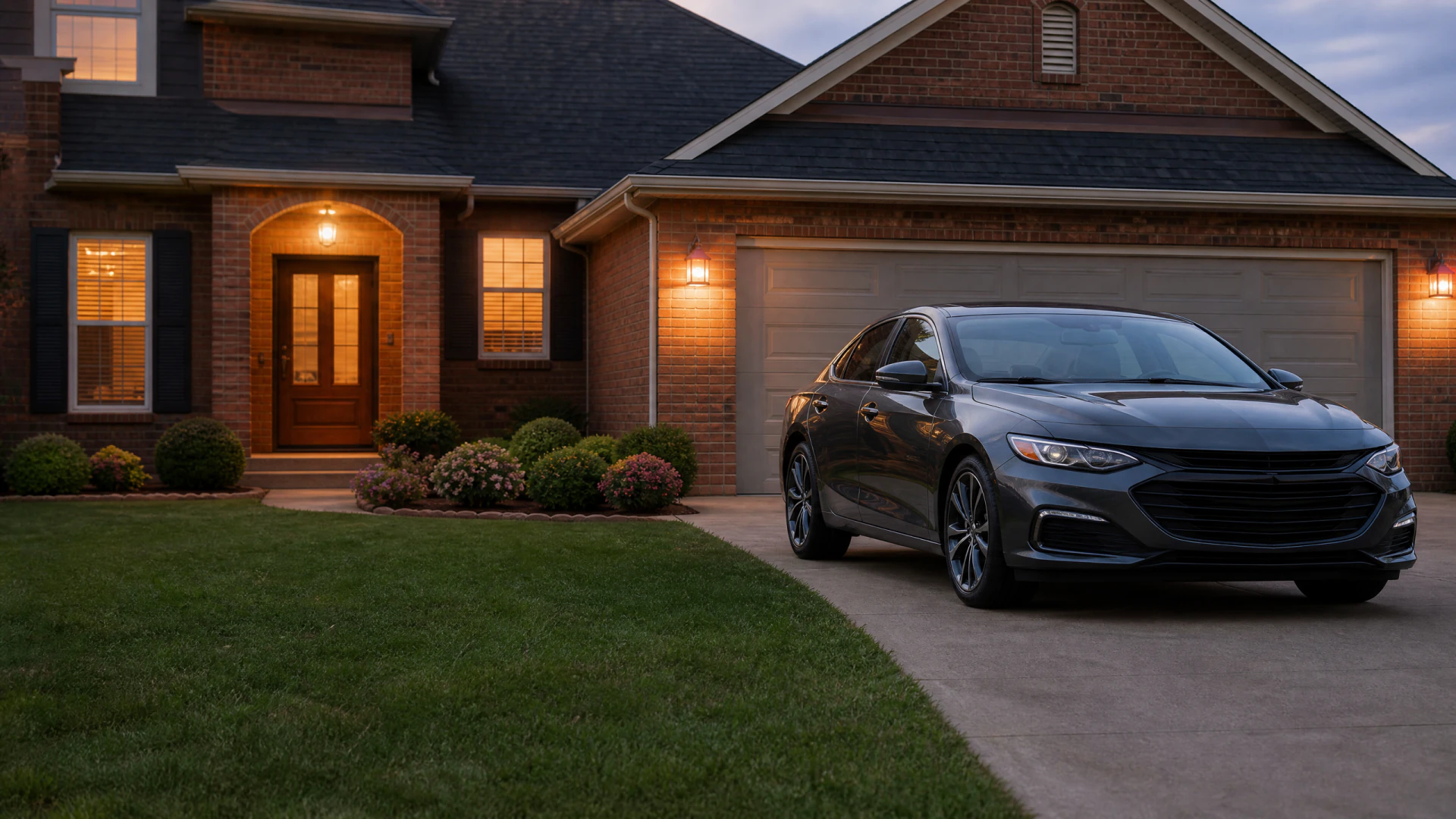
A couple who just bought a house got a quote from a new insurer that bundled their home and auto policies together. The new policy was set to start the following Monday, so they called their old insurer that same week and asked for cancellation effective Monday morning, matching the new policy's start exactly.
Their old insurer confirmed the date by email and refunded the unused portion of their six-month premium, since they'd paid in full earlier that year. The couple kept both confirmations in case either insurer's records showed a different date later. When they compared quotes afterward, they already knew which day to request for the new policy, so there was no scrambling and no lapse.
Now that you know how timing works, compare quotes and line up your new start date before you switch.
Will cancelling my old policy early hurt my insurance history?
No, cancelling on your own terms doesn't hurt your history, as long as there's no gap between policies. What insurers look at is whether you had continuous coverage, not which company provided it or how many times you've switched.
A lapse of even a few days can affect how new insurers price your policy, because it reads as a period where you were driving uninsured. That's the detail to manage, not the cancellation itself. As long as your new coverage starts the moment the old one ends, switching insurers as often as you want is completely normal and won't follow you around.
What actually determines your cancellation date
- Your requested date Insurers generally cancel on whatever date you specify, including same-day. Pick a date that lines up exactly with your new policy's start.
- Refund for prepaid premium If you paid for months you won't use, you're usually owed that money back. Ask how the refund will be issued and when to expect it.
- Fees for early cancellation Some insurers charge a small fee for cancelling mid-term. Check your policy documents or ask directly before you commit to a cancellation date.
- Written confirmation A phone call isn't always enough proof the cancellation happened. Get the date and details in an email or letter for your records.
- State notice requirements A few states require advance notice before a policy can be cancelled. Ask your insurer whether any waiting period applies to you.
Do I need to tell my lender if I cancel my car insurance?
No, your mortgage lender only cares about your home insurance, not your auto policy. Car insurance and home insurance are separate contracts, even if you bundle them with the same company for a discount. Just make sure you don't accidentally cancel the home policy by mistake when you're calling about the car policy.
Can I cancel car insurance and get a refund for the whole month?
Usually you're refunded only for the days left after your cancellation date, not the full month. Insurers calculate this daily, so cancelling mid-month typically means a partial refund covering the remaining days. Check your specific insurer's policy, since some round differently or apply a small processing fee that reduces the amount.
What happens if I forget to cancel my old policy after switching?
You'll likely be charged for both policies until you formally cancel the old one, since insurers don't cancel automatically just because you bought new coverage elsewhere. Call or email your old insurer directly once your new policy starts. Keep proof of the new policy's start date in case there's any dispute about overlapping charges.