When Should You Not Have Collision Coverage
Drop collision once your car is worth so little that a claim payout wouldn't be worth the premium you pay for it.
It comes down to what your car is actually worth now
Collision coverage pays to fix or replace your car after an accident that's your fault, up to its current market value, not what you paid for it. As a car ages, that value drops every year, but the premium for collision often doesn't drop nearly as fast. At some point you're paying a steady amount to insure a shrinking payout, and that math stops making sense.
The usual trigger is comparing what you pay for collision over a year against what the car would actually be worth in a claim. If the insurer would only cut you a small check after an accident, and that check is close to what you've paid in premiums over a year or two, the coverage isn't doing much for you anymore.
There are real exceptions. If you have a loan or lease, your lender almost certainly requires collision coverage as part of the agreement, so you don't get to choose yet. And if losing the car tomorrow would be a financial emergency because you couldn't afford to replace it, keeping collision can still make sense even on an older car, because the coverage is protecting your ability to get to work, not just the car's resale value.
This is also one of the things that varies by insurer. Some will tell you a car's estimated value if you ask, and some make it easy to drop just collision while keeping other coverage. Check how your policy is structured before you assume you have to choose all or nothing.
What actually decides whether to drop it
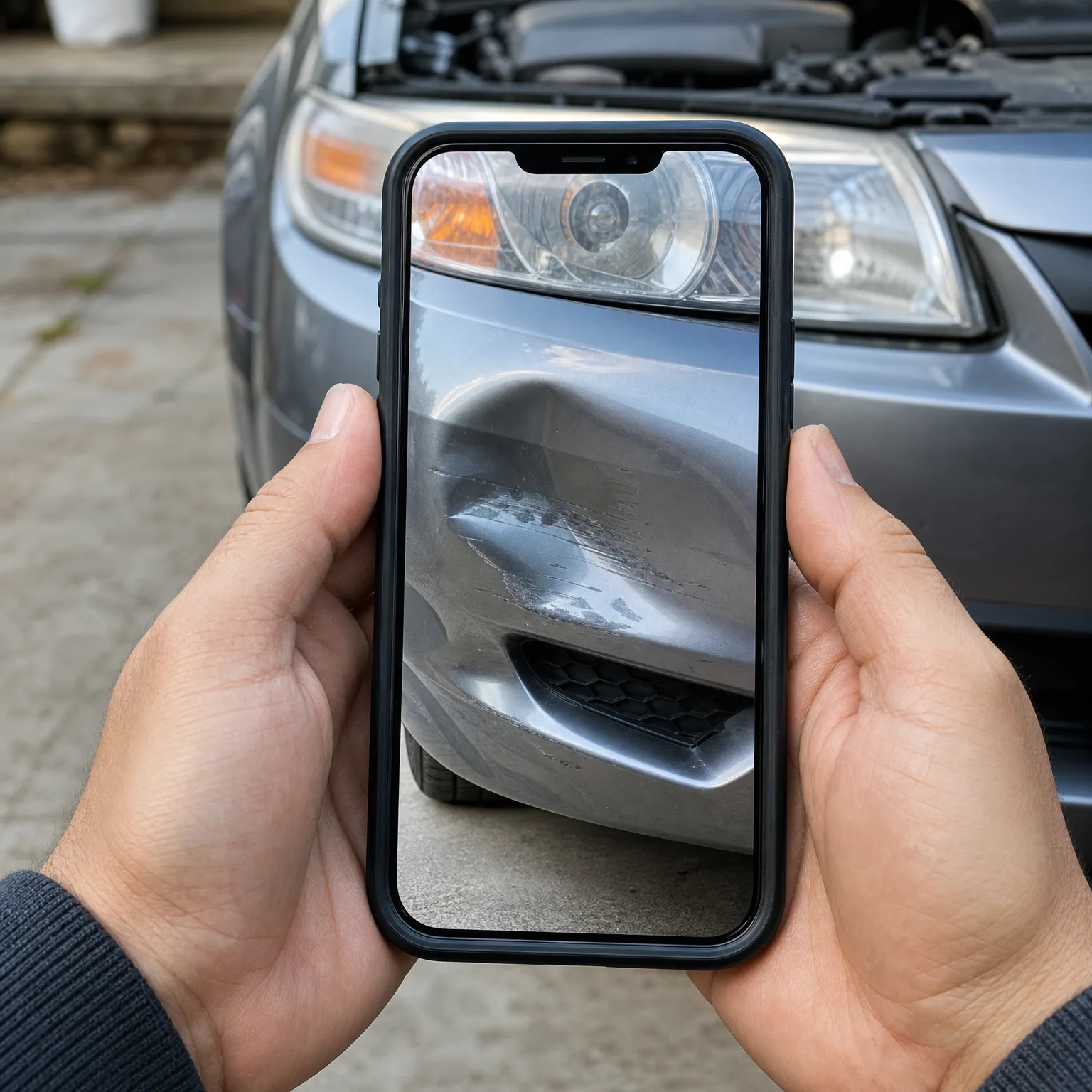
- Your car's real value Look up what your car would sell for today, not what you paid. If that number is low, collision coverage has less to protect.
- Your loan or lease status If you still owe money on the car, your lender likely requires collision coverage. Check your loan agreement before changing anything.
- Cost versus payout Compare a year or two of collision premiums to the car's value. If they're close, the coverage is barely breaking even for you.
- Your ability to replace the car If losing the car would leave you stranded financially, keep the coverage even if the math looks close. Peace of mind has a value too.
- How your insurer handles it Some insurers make it simple to drop just collision and keep the rest. Ask directly instead of assuming your options.

Dropping collision on an older, paid-off car
If you do
You pay less every month, and that money is yours to keep or save. If you total the car, you cover repairs or replacement yourself. For a car worth little, this is often a fair trade, especially if you've set aside savings for exactly this situation.
If you don't
You keep paying a premium that may be close to what the car is worth. You're protected against a total loss, but the payout would be small. This makes sense if you'd rather not think about it, or if replacing the car suddenly would be hard either way.
Once you know whether your car's value still justifies collision coverage, compare quotes with that decision made.
A ten year old car that's finally paid off
A reader we'll call the Hendersons finished paying off their second car, a ten year old sedan with high mileage, right around the time they bought their first home. They were already looking at every recurring cost differently, since the mortgage had changed their monthly budget. They checked what the car was actually worth now and found it was worth less than they expected, not nothing, but not much.
They added up what they'd paid for collision coverage on that car over the previous year and found it was close to half the car's current value. They weren't in a rush to replace the car if something happened, and they had enough savings to cover a repair or a replacement if it came to that. They dropped collision on that car, kept it on their newer car, and kept liability coverage on both. The change showed up immediately in what they paid, and a year later, nothing about the decision had cost them anything, because the car kept running fine.

Collision protects your car's value, not the car. Once that value is low, there's little left to protect.
Should I drop collision on both cars or just the older one?
Usually just the one with noticeably lower value, if your two cars aren't worth about the same amount. Collision coverage is tied to each car's individual value, so a decision that makes sense for an older, less valuable car doesn't automatically apply to a newer one sitting in the same driveway.
Look at each car separately. Check its value, whether it still has a loan attached, and what you're paying for collision on that car specifically. It's common to end up with collision on one car and not the other, and that's not an inconsistency, it's just two different cars at two different points in their value. If both cars are older and paid off, the same reasoning may apply to both, but check each one rather than assuming.