When Should I Start Shopping Around for Car Insurance
The right time is now, before you renew anything, because your new address alone has already changed what you should be paying.
Your address does more to your rate than almost anything else
Car insurance pricing leans heavily on where the car sleeps at night. Your new zip code carries its own history of claims, theft, weather and repair costs, and insurers price against that history whether or not it matches your own driving. That means the quote that made sense at your old address may be wrong at your new one, in either direction. Some people move somewhere cheaper to insure and don't realize they're overpaying until they check.
A move also tends to arrive with other changes that affect price on their own. A garage instead of street parking usually helps. A longer or shorter commute changes how much the car is driven, which changes risk. If a car count or driver count shifted, that matters too. None of these show up automatically on your existing policy. Insurers price based on what you've told them, so an outdated file just keeps charging you for a situation you no longer have.
This is also the moment bundling gets evaluated honestly, not assumed. Because you now have a home policy in the mix, combining it with your car policy can lower both, but it isn't guaranteed. Some insurers reward bundling heavily, others barely adjust, and whether it helps depends on your specific combination of home, cars and location. The only way to know is to price it out now rather than assume it from years-old habit.
Where this gets inconsistent is in how fast each insurer updates, what counts as a reportable change, and whether a short gap between shopping and switching affects your coverage. Some states regulate how address changes affect rating more tightly than others. Check your policy documents or ask directly what counts as a change you must report, since this varies by insurer and by state.

The short version
Start shopping as soon as your address changes, because location is one of the biggest factors in your rate and an outdated file keeps pricing you for a home you no longer live in. Update your address first, then get fresh quotes, including a bundled option with your home policy, before you renew anything.
Do I have to tell my insurer I moved, or can it wait until renewal?
Tell them now. Most policies require you to report a change of address within a set window, not at your convenience, and driving on a policy with the wrong address can create real problems if you ever file a claim. An insurer can question coverage if your risk profile changed and they weren't told.
Waiting until renewal also costs you money in the meantime, since you may be paying a rate built for your old location instead of your new one. There's no upside to delaying it. Update your address as soon as you're settled, then use that same moment to compare quotes, since you'll need to give updated information either way.
With your address and bundle options ready to check, compare quotes now and see what your new situation really costs.

What to check before you renew anything
- Your address on file This is the single biggest lever on your rate after a move. Update it with your insurer right away, even before you decide whether to switch.
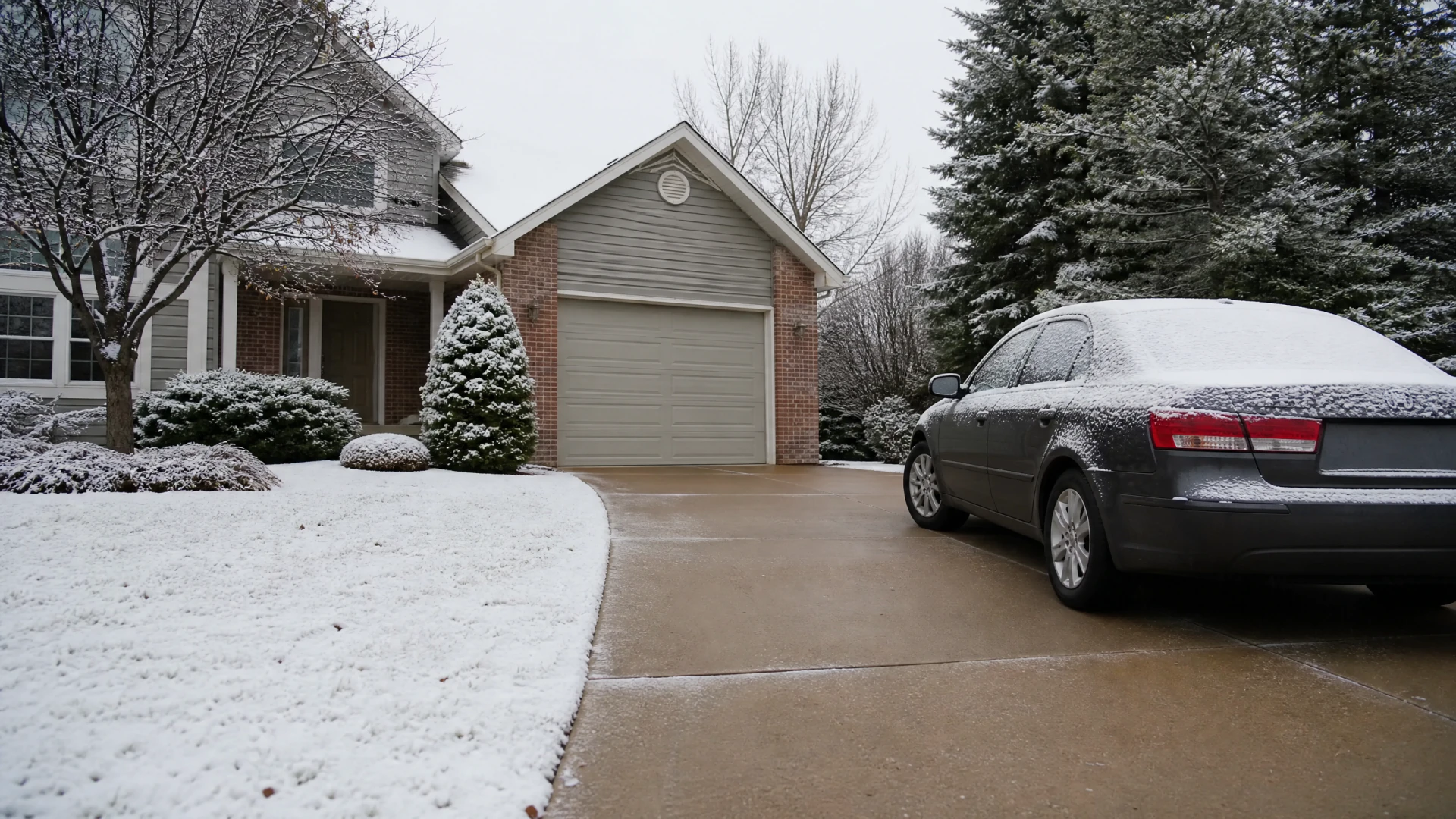
- Garage versus street parking Where the car sits overnight affects theft and damage risk. Tell your insurer if this changed, since it can lower your rate.
- Bundling with your home policy Combining policies sometimes saves money, but not always. Get a bundled quote and a separate quote so you can compare the actual numbers.
- Commute and mileage changes A new commute can mean more or less driving than before. Update this detail since it directly affects how your risk is calculated.
- Coverage limits on both policies A mortgage lender often requires specific home coverage, and that's a good trigger to double check your car limits too. Make sure neither policy is thinner than you want it to be.

A couple who moved across town and nearly overpaid for a year
A couple bought their first house about twenty minutes from their old apartment. They kept driving the same cars, kept the same jobs, and figured their car insurance didn't need attention since nothing about the cars themselves had changed. They renewed on autopilot and focused on getting the homeowners policy their lender required.
A few months in, one of them finally compared quotes out of curiosity. The new zip code turned out to be rated lower for theft and claims than their old one, and the car now sat in a garage instead of on the street. Once they also priced a bundled option with their new home policy, the quote came in well below what they'd been paying. They switched, updated their address properly, and realized the only reason they'd missed it was assuming nothing had changed when almost everything that mattered to the price had.