When Should I Remove Full Coverage from My Car
Drop full coverage once your car's value is low enough that you could replace it yourself, not before.
Check these before you cut full coverage
- What the car is worth Look up the car's actual cash value, not what you paid for it. If that number is close to what you'd pay out of pocket for a replacement, full coverage is doing less work for you.
- What you'd owe if it's totaled If you still have a loan or lease, your lender almost certainly requires full coverage until it's paid off. Check your loan agreement before you change anything.
- How much you're actually saving Ask your insurer what full coverage costs you per year versus liability alone. If the savings are small compared to the car's value, the coverage is still worth keeping.
- What you can absorb yourself Picture paying for a new car in cash tomorrow. If that would strain your finances, keep the coverage even if the math looks close.
- Where you live and park Theft, weather, and accident rates vary by place, and your new zip code may change your risk more than you expect. Ask your insurer how your specific address affects this decision.
A paid off car with a new mortgage to think about
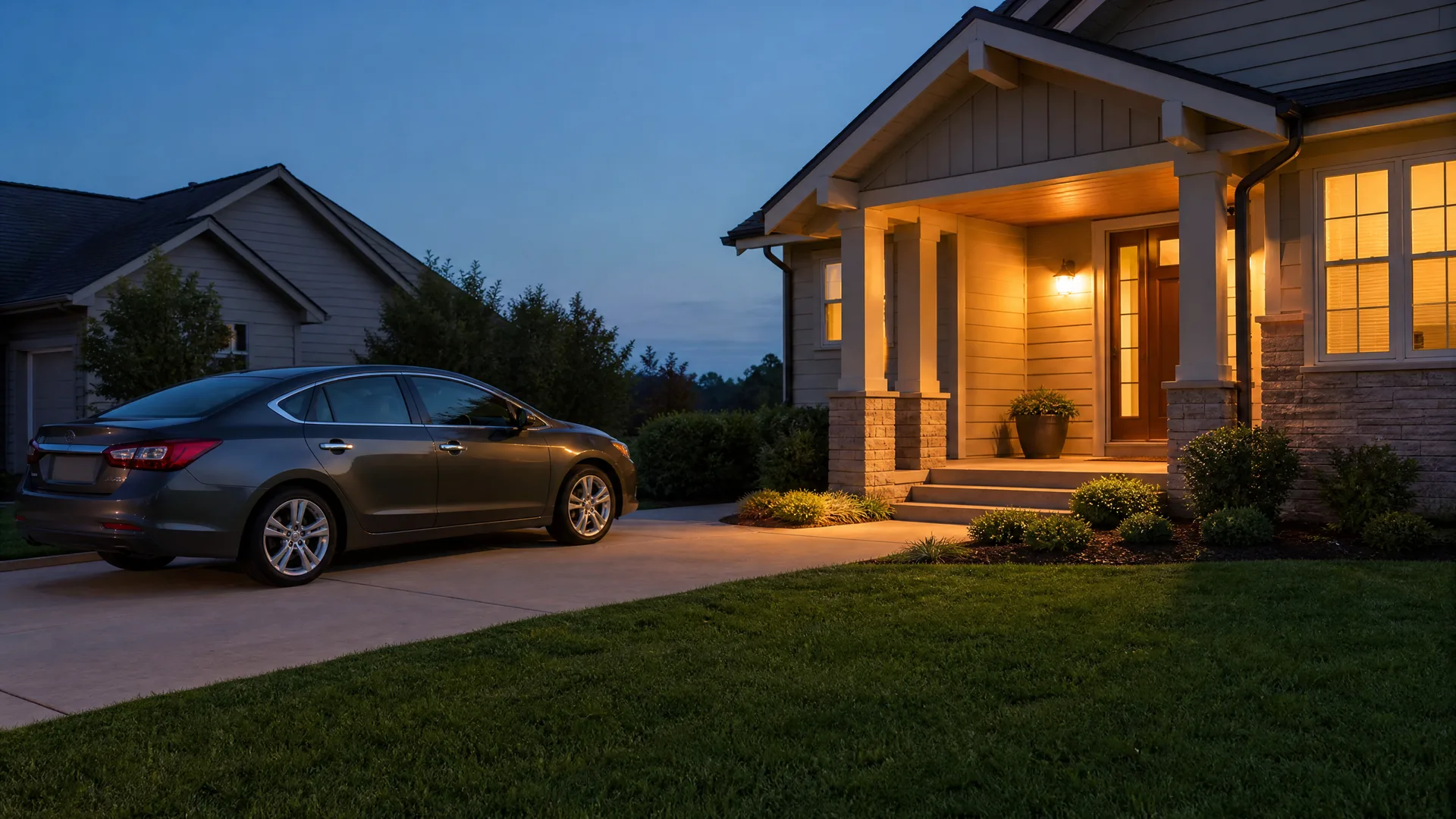
A couple who'd just closed on their first house sat down to review every bill at once, including the car insurance on a seven year old sedan they'd paid off two years earlier. The mortgage and the new homeowners policy left less room in the budget, so they wanted to know if the full coverage they'd carried since buying the car was still worth it.
They looked up the car's value and found it had dropped enough that the payout, after their deductible, would only cover a fraction of a replacement. They called their insurer, asked what they'd save by dropping comprehensive and collision, and compared that number against the car's value and their own savings. The gap was close enough that they decided to keep collision but drop comprehensive, since theft and weather weren't major risks where they'd moved. They revisited the decision again the next year, once the car had depreciated further.

Dropping full coverage now versus keeping it one more year
If you do
You free up money right away and lower your monthly premium immediately. If the car is stolen, flooded, or totaled in an accident you cause, you get nothing back for it, and you'd need to cover a replacement entirely yourself, on top of any loan balance still owed.
If you don't
You keep paying for comprehensive and collision a little longer. If something happens to the car, you're reimbursed for its current value minus your deductible. You lose nothing by waiting another year to decide, since you can drop the coverage anytime.
Once you know whether to keep full coverage, compare quotes to see what liability alone would actually cost you.
Why the car's value is the whole decision
Full coverage exists to protect an asset that's worth protecting. Comprehensive and collision pay out based on the car's actual cash value at the time of the claim, not what you originally paid. As a car ages, that value drops every year, while the cost of the coverage often stays roughly the same or even rises. At some point you're paying a steady premium to protect a shrinking payout, and that's the trade worth questioning.
Liability coverage is a separate thing entirely. It pays for damage and injuries you cause to other people, and most states require you to carry some amount of it no matter what your car is worth. Dropping full coverage never means dropping liability. You're only deciding whether to keep insuring your own car's value.
The math isn't only about the car. It's also about what you can afford to lose. Two people with identical cars worth the same amount might make different choices, because one has savings set aside for a replacement and the other doesn't. Full coverage is partly a financial cushion, and how much cushion you need depends on your own finances, not just the car's price tag.
There are cases where the usual logic flips. If you live somewhere with high theft rates or severe weather, comprehensive coverage can be worth keeping even on an older car, since the risk of total loss is higher. And if you still owe money on the car, your lender's requirement overrides your own preference until the loan is gone. Check your loan terms and ask your insurer how location specific risks apply to you before deciding.
What happens to my loan if my car is totaled without full coverage?
If you still owe money on the car and it's totaled without comprehensive or collision coverage, you're personally responsible for whatever balance remains on the loan. Liability insurance doesn't pay you anything for damage to your own vehicle, so there's no payout to apply toward what you owe. You'd be paying off a car you no longer have.
This is why lenders require full coverage until the loan is paid off, and why dropping it early isn't actually your choice to make if you're still financing or leasing. Once the car is paid off, the decision is genuinely yours, and it comes down to the car's value versus what you'd be comfortable losing without a payout. Check your loan or lease agreement directly, since requirements can vary by lender.