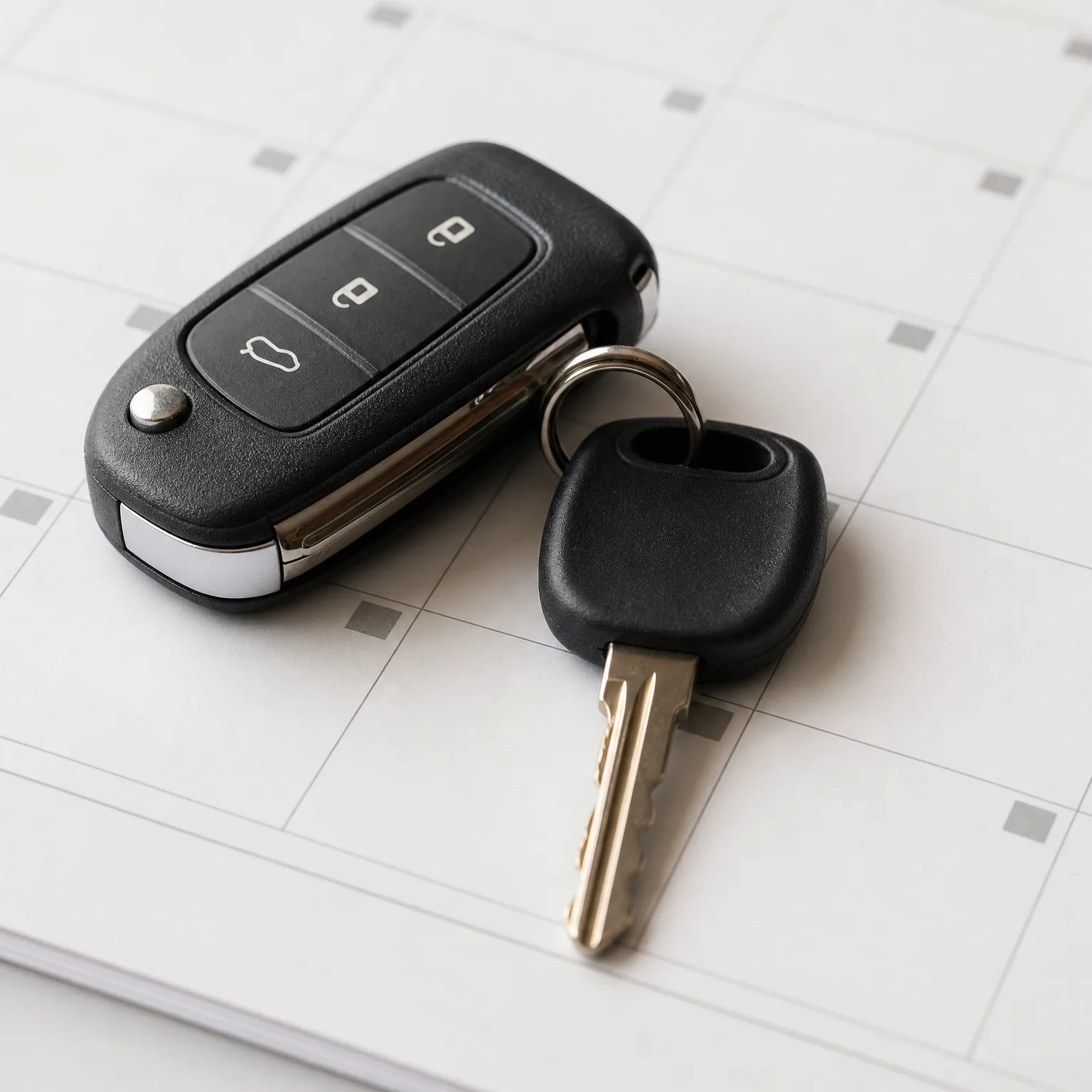
When Not to File a Car Insurance Claim
Skip the claim when the repair costs close to what you'd pay out of pocket anyway, since filing can raise your rate for years.
Your rate reacts to the claim, not just the accident
Insurers set your price partly by predicting how likely you are to cost them money again. A claim, even a small one, tells them you're a slightly higher risk than they thought, and that can follow you for several renewal cycles. This is why a cheap repair paid through a claim can end up costing more over time than paying for it yourself.
The math that matters is simple. Compare what you'd pay now out of pocket against what your premium would likely increase, multiplied by how long that increase would last. If those numbers are close, or if the claim payout would barely clear your deductible, filing often isn't worth it.
This changes with fault and severity. If another driver caused the damage and their insurer is paying, your own rate is less likely to move, though this varies by state and insurer, so check how your state handles not at fault claims. Large repairs, injuries, or anything involving another party's property almost always make sense to file, because the cost is too high to absorb alone and the paperwork protects you if someone disputes what happened later.
The exception is pattern, not size. One small claim rarely hurts much, but a second one soon after can hurt more than either would alone, because insurers watch frequency as closely as cost.

Signs this claim will cost more than it saves
- Damage near your deductible If the repair cost is close to what you'd pay out of pocket, filing may not save you anything. Get a repair estimate first and compare it honestly against your deductible.
- No other party involved Single car incidents like a curb scrape or a dented bumper usually sit entirely on your own policy. Weigh the repair cost against years of a higher premium before you call it in.
- You've filed recently A second claim soon after another draws more attention than either would alone. Check how long a prior claim stays on your record before deciding this one is worth adding.
- Minor cosmetic damage Small dents, scratches, or chipped paint rarely affect safety or resale enough to justify the rate impact. Get a quote from a body shop before assuming it's worth filing.
- Unclear fault If it's unclear who caused the damage, filing can trigger a review that takes time and may still land partly on you. Ask your insurer how disputed fault is typically handled in your state.

A claim isn't just a payout, it's a signal insurers use to price your risk for years afterward.
Once you know which repairs are worth filing and which aren't, compare quotes to see what your decision is really worth.

Filing a small claim versus paying it yourself
If you do
Your insurer opens a file and may send an adjuster, even for minor damage. The claim becomes part of your history and can affect your premium at renewal, sometimes for several years, depending on your insurer's rules. If another claim follows, the two together often raise your rate more than either would alone.
If you don't
You pay the repair directly and nothing goes on your record. Your premium stays on its current track at renewal. The tradeoff is you absorb the full cost now, with no insurer contribution, so this only makes sense when that cost is manageable and clearly below what a rate increase would total over time.
A driveway scrape after the move
You back out of your new driveway and clip the mailbox post, leaving a dent and some scraped paint on the rear bumper. No one else is involved, and the car still drives fine. You get a repair estimate from a local shop, and it comes in a bit above your deductible.
You call your insurer's customer line, not to file, but to ask how a claim like this would likely affect your premium given your current policy and state. They walk you through their general approach, and you realize the renewal increase, spread over the years it would likely apply, adds up to more than the repair itself. You pay for the fix yourself, keep the receipt in case the body work ever comes up during resale, and leave your policy untouched. At your next renewal, your rate reflects your driving record alone, not this scrape.
Will asking about a claim without filing it affect my rate?
Usually not, but it depends on the insurer, so ask directly before you give details. Many companies distinguish between a general question and an actual claim being opened, and a question alone typically isn't recorded against you.
What matters is whether the call creates a record tied to an incident. Some insurers log every contact, including inquiries, while others only start a file once you formally report damage. If you're unsure, ask the representative directly whether the conversation you're about to have will be noted on your account, and get their answer before you describe what happened. This small step lets you gather the information you need to decide without accidentally starting the process you're trying to avoid.