When Is the Best Time to Switch Car Insurance Companies
The right time to switch is whenever your situation changes or your renewal is coming up, not at some fixed point on a calendar.

A couple who moved and almost let the renewal slide
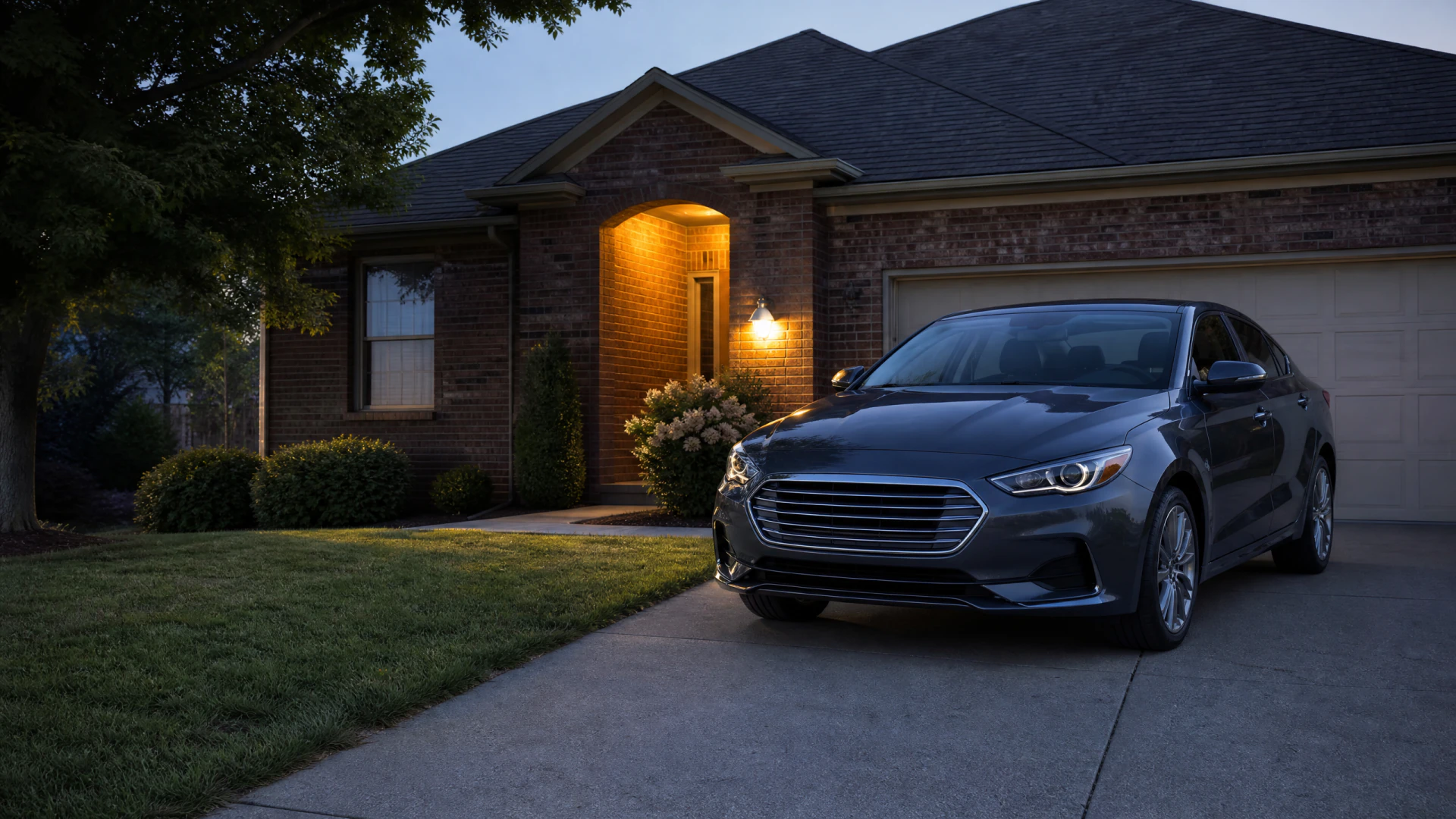
A couple bought their first home and moved across town. Their car insurance renewal landed six weeks later, right as they were still unpacking boxes and setting up the homeowners policy their lender required. They almost let it auto renew because they were busy, but one of them noticed the new address hadn't been updated with their insurer yet.
They called to update the address first, since that's required regardless of whether they switch. While on the phone, they asked what their new zip code and the garage at the new house did to their rate, and got a number for staying put. Then they spent twenty minutes getting quotes elsewhere, including one bundled with their new home policy. The bundled option came in lower, so they switched both at once, timed to start the day their old policy renewed. No lapse, no overlap, and one less thing to think about during an already busy move.
The short version
Switch when something real changes, like a move, a renewal, or added cars, not on a fixed schedule. The main reason is that rates are recalculated around life events and timing a switch to your renewal avoids waste. Right now, with a new address and a home policy to possibly bundle, this is a good moment to compare quotes.
Will switching leave me without coverage for even a day?
No, not if you time it right. The way to switch safely is to get your new policy approved and its start date set before you cancel the old one. Most insurers let you set a future start date, so you can line it up exactly with your current policy's renewal or cancellation date.
The risk isn't the switch itself, it's doing things out of order. If you cancel first and then shop, you could end up driving with no coverage, which is illegal almost everywhere and can also make future insurance more expensive. If you're bundling with a home policy, confirm both start dates line up too, since lenders often require continuous proof of insurance.
Compare quotes now, with your new address and bundling options in hand, to see what you'd actually save.

Shopping around now versus waiting for things to settle
If you do
You find out right away whether your new address, garage, or a home bundle lowers your rate. You lock in the better deal before your next renewal, and you stop paying for coverage priced on your old situation. It takes maybe twenty minutes of comparing quotes while details are fresh.
If you don't
You keep paying a rate based on your old address and old assumptions, possibly for another full year. The new garage and the bundle opportunity go unused. You'll likely remember to check only when the next renewal notice arrives, and by then you may have forgotten what changed.

What actually triggers a smart time to switch
- Your address just changed A new zip code changes how your rate is calculated, for better or worse. Update your insurer immediately, then compare quotes to see if the new address helps or hurts.
- Your renewal is coming up Switching lines up cleanly with a renewal so you're not paying twice or breaking a policy mid term. Mark the renewal date and start comparing a few weeks before it.
- You can now bundle policies Combining car and home coverage with one insurer often lowers the total cost compared to separate policies. Ask for a bundled quote alongside individual ones so you can compare both ways.
- Your parking situation changed Where the car sleeps at night affects risk and rate. Tell your insurer about the new parking situation since it may lower your premium without any other changes.
- Years since you last shopped Rates shift over time even if nothing about you has changed. If it's been a long while since you compared, that alone is reason enough to check.

Your insurance should match your life right now, not the life you had when you first bought the policy.


