What to Use Instead of a Car Cover
A covered carport, a windshield sunshade, and the right insurance coverage do more for your car than a cover alone.
A cover protects paint, not the car itself
A car cover mainly keeps dust, sap, and sun off the paint. It doesn't stop a falling branch, a hailstorm, a shopping cart, or someone backing into your bumper. If you just moved and lost a garage you used to have, the real question isn't what replaces the cover, it's what replaces the protection the garage was giving you.
That protection has two separate jobs. One is physical, keeping weather and debris off the car. The other is financial, covering the cost if something happens anyway. A cover, a carport, or a parking spot under a tree handles the first job partly. Your insurance handles the second job, and only if you have the right coverage in place.
This is where comprehensive coverage matters. It's the part of a policy that pays for damage from things other than a collision, weather, falling objects, theft, vandalism. If you dropped a garage when you moved, or you're parking on a street for the first time, comprehensive coverage is doing more work than it used to. Check your policy to see if you carry it and what it would take to file a claim.
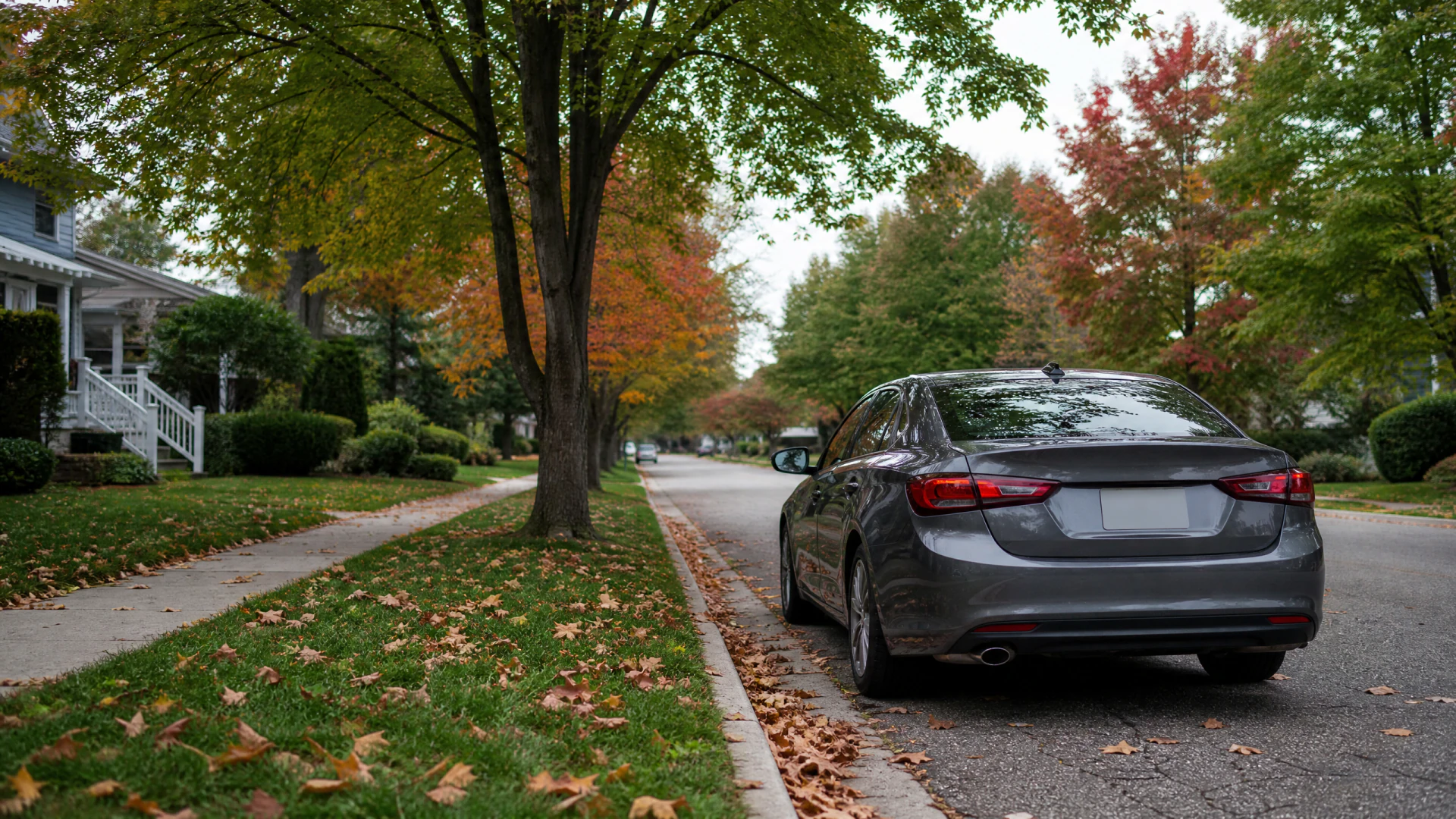
Where you park still matters even with good coverage. Insurers price risk partly on location, so a car parked on a busy street or in an area with more break-ins or severe weather may cost more to insure than one in a garage, regardless of whether it has a cover. This varies by insurer, so ask directly how your new parking situation affects your rate.
The short version
A car cover only handles dust and sun. For real protection, look at where you park (covered parking beats any cover) and make sure comprehensive coverage is on your policy for the damage a cover can't prevent. Check both before you decide you're covered.
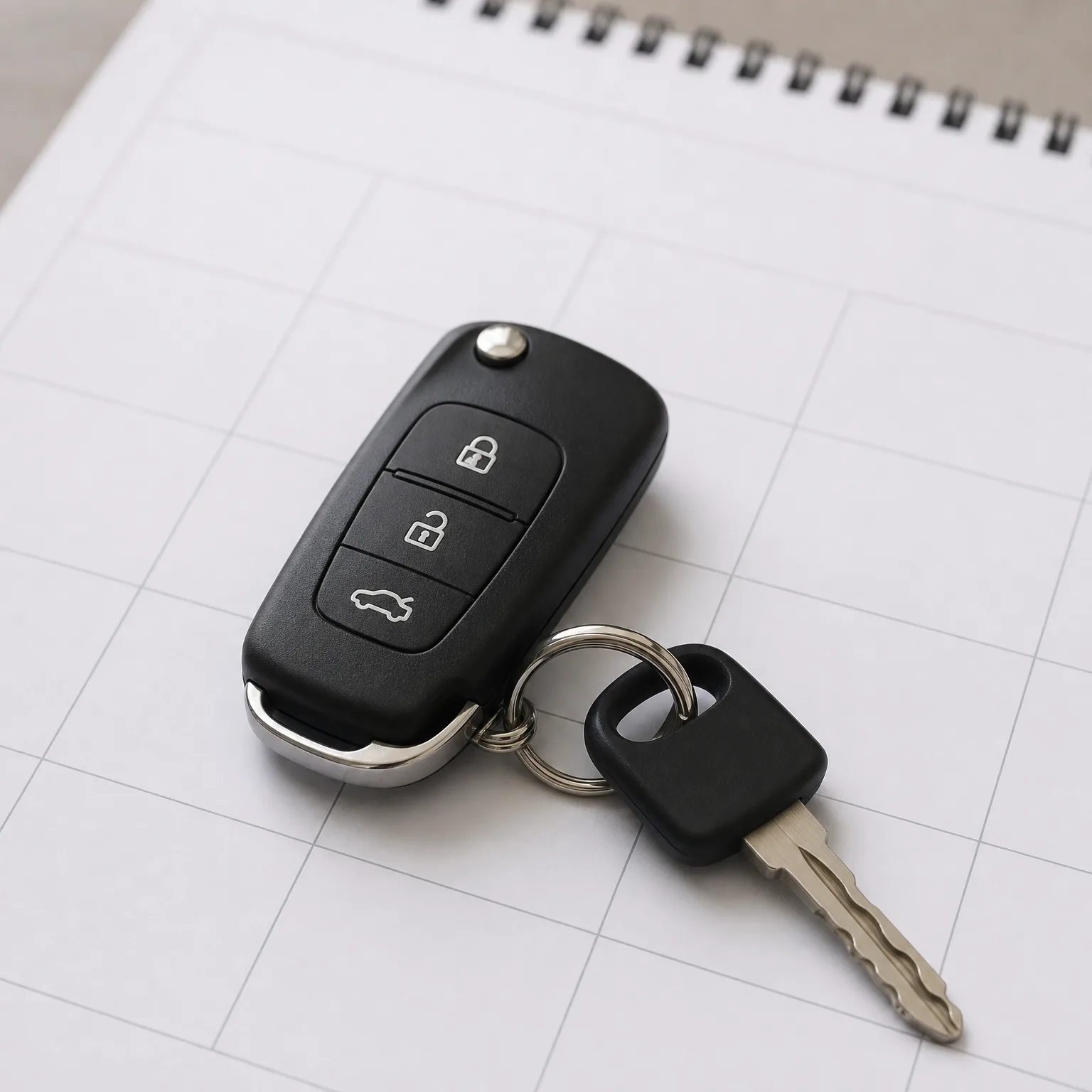
What actually protects your car
- Covered parking A carport, garage, or covered space blocks weather and falling debris far better than any cover. If your new home doesn't have one, see if a shared or rented space is nearby.
- Comprehensive coverage This pays for weather, theft, and debris damage that a cover can't prevent. Check your policy to confirm you have it and understand what you'd pay out of pocket if you file.
- Windshield protection A simple sunshade and timely glass repair prevent the most common weather-related cost. Ask your insurer how glass damage is handled under your policy.
- Parking location review Street parking and open lots carry more risk than enclosed spaces. Mention your new parking situation to your insurer since it can affect your rate.
- Routine inspection Walking around your car regularly catches small damage before it becomes expensive. Combine this habit with whatever physical protection you do have.
Now that you know what actually protects your car, compare quotes to find coverage that matches how you park.
Does comprehensive coverage actually cost more than a car cover is worth?
Usually comprehensive coverage is already part of a fuller policy, so the real comparison isn't the cover's price against the coverage's price. It's what you're protected against either way.
A cover costs once and protects paint. Comprehensive coverage is ongoing and protects against the costly stuff, a cracked windshield, hail damage, a theft. Many people keep both because they solve different problems, not competing ones. If money is tight after buying a home, ask your insurer what dropping comprehensive would save versus what you'd owe out of pocket if something happened. That answer, specific to your car and your area, is what should guide the decision, not the price of a cover.
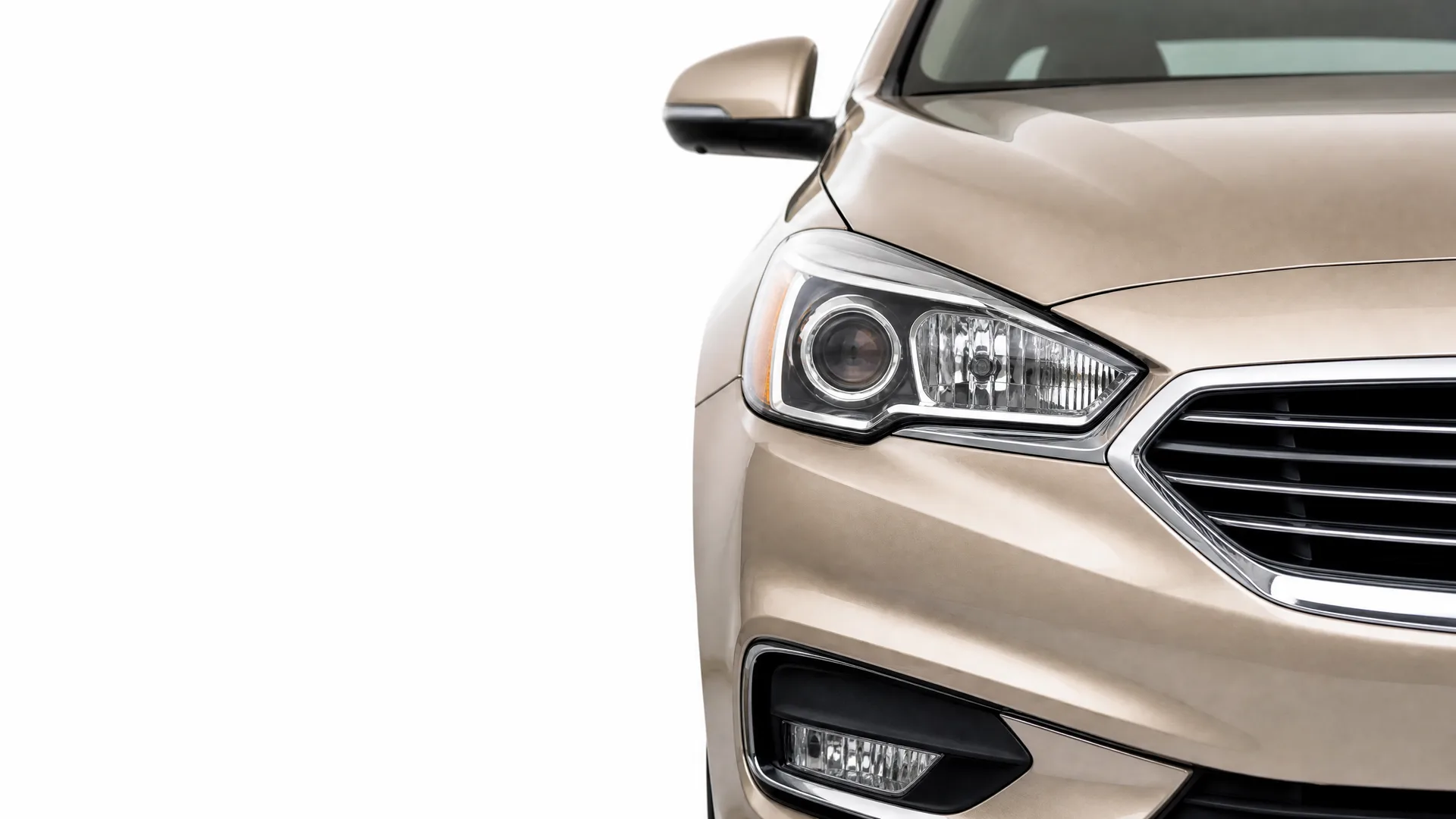
A cover protects your paint. Comprehensive coverage protects your wallet. You likely need the second one more.
Is comprehensive coverage worth it if I don't have a garage?
Yes, often more so. Comprehensive coverage protects against the exact risks that a garage would otherwise reduce, like weather, falling debris, and theft. Without covered parking, your car is more exposed to these events, so the coverage does more work. Check your deductible and what your car is worth, since that balance is what determines whether it pays off for you specifically.
Does where I park affect my insurance rate?
Yes, it can. Insurers often factor in parking location because street parking or uncovered lots carry more risk of theft or weather damage than a garage. This varies by insurer and by area, so ask directly how your new address and parking setup affect your premium. If you moved from a garage to street parking, mention it, since it may change your rate either way.
Can I get a discount for parking in a garage or carport?
Possibly, depending on the insurer. Some offer a lower rate for covered or enclosed parking since it reduces certain risks. This isn't universal, so ask your insurer directly whether it applies and what proof they need, like an address or a photo. If you have access to covered parking now, even shared or rented, it's worth asking before you assume it won't matter.