What to Say to Lower Car Insurance
Tell your insurer your new address, where the car is parked, and that you now have a home policy to bundle.
Say these things, in this order
- Your new address Your zip code changes how much you pay, for better or worse. Give the exact address and ask them to confirm the new rate before you hang up.
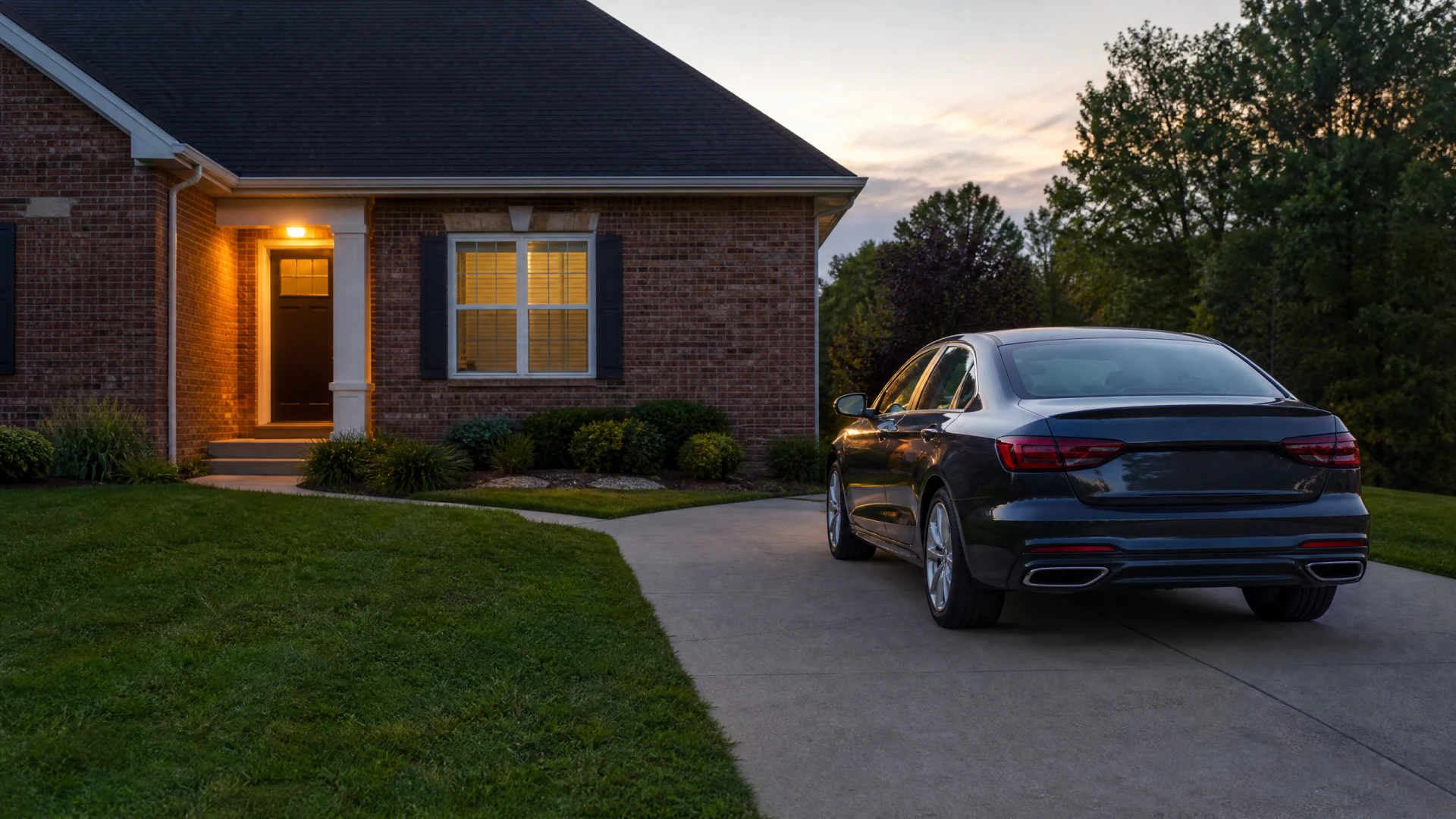
- Where the car is parked A garage or driveway can lower your rate compared to street parking. Tell them exactly where the car sleeps most nights now that you've moved.
- That you want to bundle Ask directly what your rate looks like with home and auto together versus separate. Don't assume the bundle is cheaper, make them show you both numbers.
- Your mileage has changed A new commute means new mileage, shorter or longer. Give them a real estimate, because this is a routine factor that shifts your rate either way.
- You want a coverage review Ask them to walk through your current limits and whether they still make sense now that you own a home. Say you want to know your options, not just renew.
A couple calls after moving across town
Mara and Dev bought their first house in a neighborhood about fifteen minutes from their old apartment. Their car insurance was still billed to the old address, still priced for street parking, and still set up with no bundle, because their homeowners policy was brand new and separate. They called their insurer, gave the new address, said the car now sat in a garage overnight, and asked what bundling the two policies would do to the price.
The agent ran both scenarios, bundled and separate, and showed the numbers side by side. The garage parking and the bundle both worked in their favor, though the new zip code pushed the rate up slightly on its own. Mara asked about their liability limits, since they now had a mortgage and more to protect, and raised them a notch after hearing what it would cost. They ended the call with a policy that matched where they actually lived and what they actually owned, not what applied in their old apartment.
Will asking these questions ever raise my rate instead?
Yes, sometimes. A new zip code can raise your rate if it has more traffic, more claims, or more theft than your old one, and higher liability limits cost more because they cover more. Neither of those is a reason to stay quiet about them.
An inaccurate policy is a bigger risk than a slightly higher premium. If your insurer doesn't know where you live or where the car is parked, a claim can get complicated or denied. Say what's true, let the rate reflect it, and then shop around if the new number feels high. That's a separate decision from whether to report the facts accurately.
Now that you know what to say, compare quotes to see who actually gives you the best price for it.
These facts move your rate because insurers price risk, not habits
Insurers set your rate based on what's likely to cost them money, and your address is one of the strongest signals they have. Traffic density, local claim history, and theft rates all differ by zip code, so moving changes your price whether you say anything or not. The only question is whether your policy reflects where you live now or still prices you for where you used to live.
Parking location matters for the same reason. A car in a locked garage is less likely to be broken into or hit than one parked on a street, so insurers adjust for it. This varies by insurer and sometimes by state, so always ask how much difference it actually makes for your policy rather than assuming it's automatic.
Bundling works because insurers want to keep more of your business under one roof, and they often price that loyalty into a discount. But bundling isn't guaranteed to be cheaper. Sometimes two separate policies from two specialists beat one bundled deal, so the only way to know is to ask for both numbers and compare them directly.
Mileage and coverage limits are different levers entirely. Mileage reflects how much you're actually on the road, which relates directly to risk. Coverage limits reflect how much protection you're buying, not how risky you are. Raising limits after buying a home isn't about lowering your rate, it's about matching your protection to what you now have to lose. All of this varies enough by insurer and state that the only reliable move is to ask each question directly and see what your specific policy does with the answer.

Does my credit score affect my car insurance rate?
In many states, yes, insurers use credit-based scoring as one factor in pricing. Some states restrict or ban this practice, so check your state's rules before assuming it applies to you. If it does apply, improving your credit over time can lower your rate, but it won't change anything overnight.
Should I raise my deductible to save money?
It depends on how much cash you could comfortably pay out of pocket after an accident. A higher deductible usually lowers your monthly premium, but it means more upfront cost if you file a claim. Check the actual dollar difference in premium against what you'd need to cover yourself before deciding.
How often should I shop around for car insurance after a move?
Right after any major change, like a move, a new car, or a new driver, is the best time to compare. Beyond that, checking roughly once a year is reasonable since rates shift even if nothing about your situation changes. If your current insurer can't explain a price increase, that's a sign to compare immediately.