What to Do if Your Car Was Damaged During a Move
File with the right policy first and document everything before repairs start, since who had the car decides who pays.
Why the order you file in actually matters
Damage during a move usually touches more than one policy at once. Your car insurance covers the vehicle itself if it was driven and damaged in a collision or sat somewhere and got hit or vandalized. If a moving company or transport carrier was hauling your car on a truck or trailer, their liability coverage is usually the first line of defense, not yours. Filing with the wrong one first can slow everything down or cost you a deductible you didn't need to pay.
The reasoning comes down to who had control of the vehicle when the damage happened. If you were driving, your own policy responds the way it always does, through your collision or comprehensive coverage depending on what caused the damage. If the car was on a transport truck or in a mover's possession, their cargo or liability coverage is supposed to respond first, and your policy becomes backup only if theirs falls short or denies the claim.
This is also where state rules and company practices start to differ. Some states require movers to carry a minimum level of liability coverage for vehicles they transport, others leave it to the contract you signed. Check the paperwork you got from the moving or transport company before you file anywhere, since it usually states what their coverage includes and how to start a claim with them.
The exception is damage that happened before or after the move itself, like a dent from loading a truck in your own driveway or a scrape from backing out of a new garage you're not used to yet. That's ordinary car insurance territory, no different from any other fender bender, and you'd file it the same way you always would.
What to check before you file anything
- Who had the car If you were driving, it's your policy. If a transport company had it on a truck, their coverage responds first. Check the paperwork to see who was responsible.
- Photos before repairs Take photos of the damage immediately, from several angles, before anyone touches the car. This protects you if the mover's insurer or your own questions what happened.
- The moving contract Look for a section on liability or claims in whatever you signed with the movers. It usually tells you the deadline and process for reporting damage to them.
- Your deductible Filing through your own policy means paying your deductible first, then possibly getting reimbursed later. Ask the mover's insurer if they'll cover it directly instead.
- New address on file Update your address with your insurer regardless of the claim, since a move changes your rate and your coverage details going forward.

Once you know which policy pays for the damage, compare quotes to make sure your coverage still fits your new address.
What if the moving company denies responsibility?
You still have options. Start by filing a claim through your own car insurance using your collision or comprehensive coverage, depending on how the damage happened. You'll likely pay your deductible upfront, but your insurer can pursue reimbursement from the moving company on your behalf if there's a strong case that they were responsible.
Keep every piece of documentation you have, the photos, the contract, any email or written communication with the movers about the damage. If the mover carries required liability coverage in your state, your insurer's claims team will often know how to pursue that even if the company itself is stalling or denying blame. Ask your insurer directly what their process is for recovering costs from a third party, since most have handled this exact situation before.
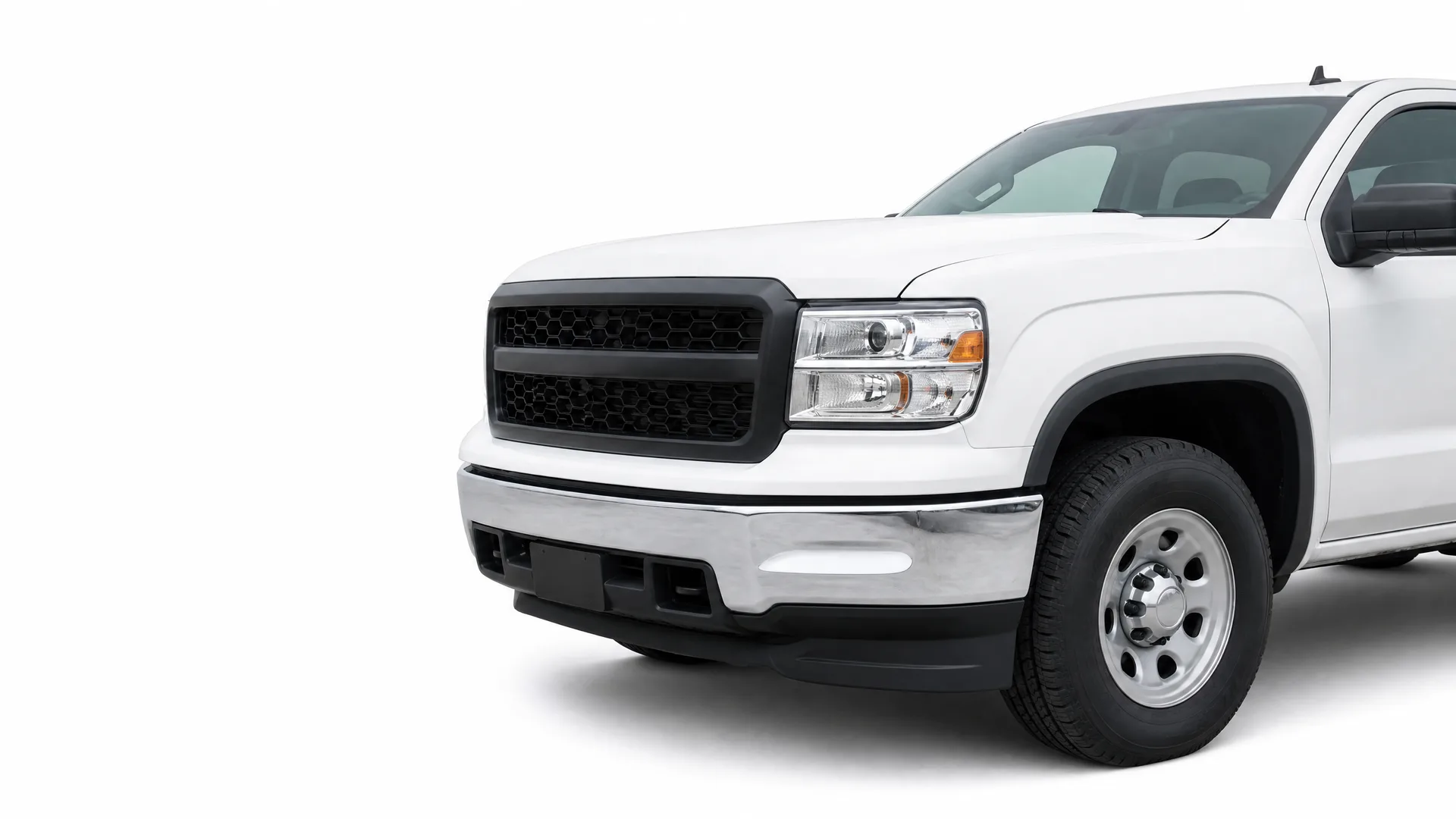
The policy that pays depends on who had control of the car, not which one you happen to think of first.
Does homeowners insurance cover car damage during a move?
No, homeowners insurance covers your home and belongings, not vehicles. Car damage, even damage that happens while movers are working around your house, falls under car insurance or the moving company's liability coverage. Check your homeowners policy's exclusions section if you want to confirm this for your specific policy, since wording can vary slightly by insurer.
Will filing a claim for move damage raise my rates?
It depends on who's at fault and which policy pays. If the moving company's coverage pays for the damage, it typically doesn't touch your car insurance record at all. If you file through your own policy and you weren't at fault, many insurers won't count it against you, but check your policy's specific language on at-fault versus not-at-fault claims.
What if the damage wasn't noticed until days after the move?
You can still file a claim, but act quickly once you notice it. Document the damage with photos right away and note the date you discovered it. The longer you wait, the harder it becomes to prove the damage happened during the move rather than afterward, so check both your policy and the mover's contract for any reporting deadlines.