What to Do if Your Car Insurance Is Too High
Lower your car insurance by checking your coverage, your discounts, and your rate against the market, in that order.
A move raised the bill, here's how they fixed it
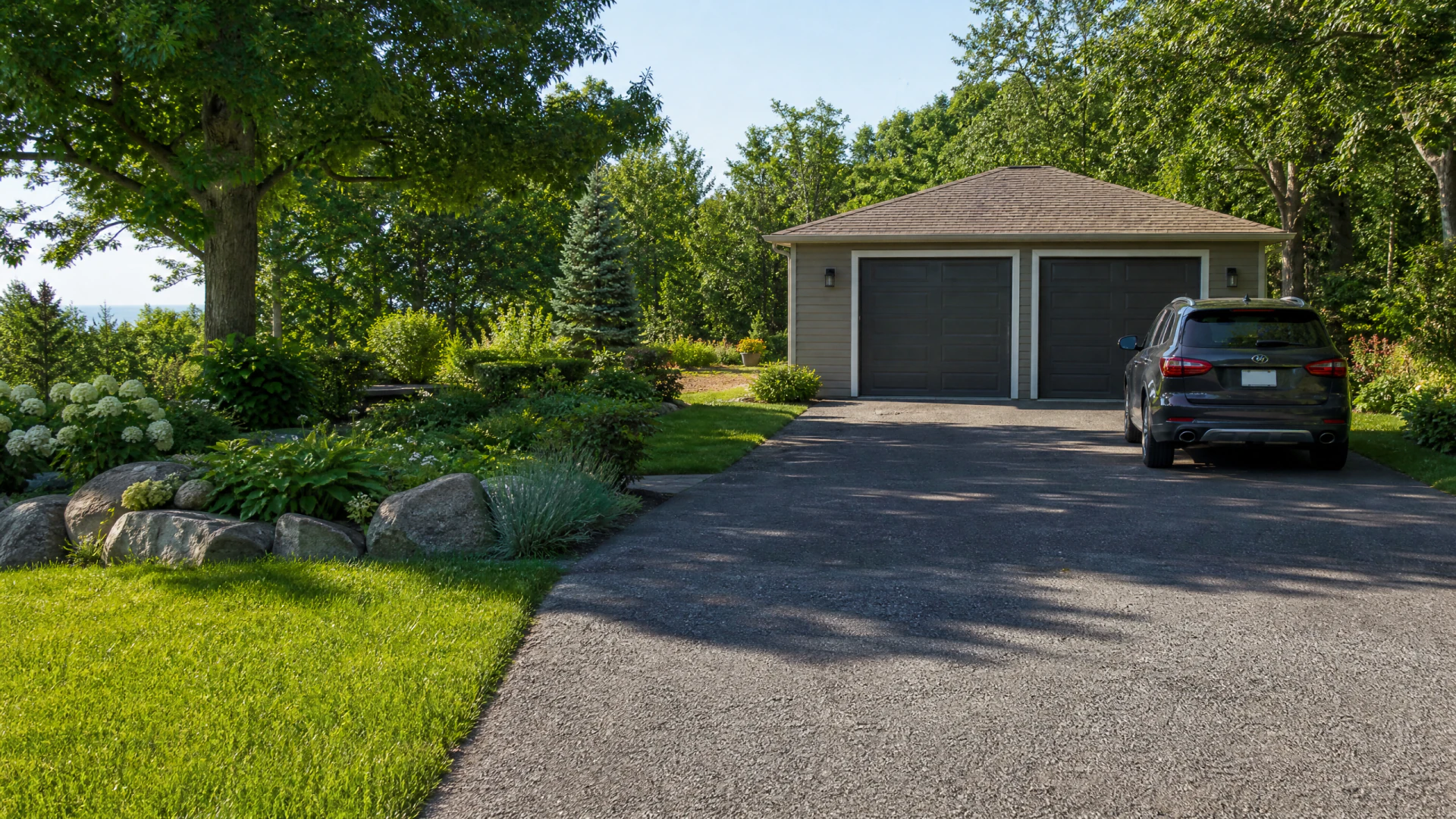
A couple moved into their first home and noticed their car insurance renewal was higher than before, even though neither had a ticket or a claim. They called their insurer first and found out the new zip code carried more risk for claims than their old one, which explained most of the jump. Rather than accept it, they asked what discounts applied now that they owned a home and had a garage, since a car kept off the street overnight often costs less to insure.
They also asked about combining the home and auto policies with the same company, and the agent ran both options so they could compare. Then, before deciding anything, they got quotes from two other insurers using the same coverage and limits so the comparison was fair. One quote came in lower than their current renewal even after the zip code change, so they switched that policy and kept the home insurance separate. The whole process took less than an hour spread over a few days, and they now had a reason for every number on the bill instead of just a total that felt too high.
Will my rate go up again after I switch or make changes?
It can, but not because you switched. Rates move with things outside any single decision, like where you live, what you drive, and how insurers in your state are pricing risk that year. Switching companies or adjusting coverage doesn't put you on a watch list or make future increases more likely.
What does affect your rate going forward is your driving record and any claims you file. A clean record keeps you eligible for the better rate you found. The best practice is to recheck your rate every year or two regardless of whether anything changed in your life, since pricing shifts even when you don't.

Compare quotes now with your coverage decided, so you're matching price to the protection you actually want.
Four things to check before you touch your coverage
- Your current coverage limits Know what you're actually paying for before you change anything. Pull up your policy or call your insurer and ask them to walk through each coverage and limit in plain terms.
- Discounts you qualify for now Homeownership, a garage, and a new address can all open up discounts you didn't have before. Ask your insurer directly which ones apply to your situation today.
- Bundling with your home policy Combining home and auto with one insurer sometimes lowers the total, but not always. Get the bundled price and the separate prices so you're comparing real numbers, not assumptions.
- Quotes from other insurers Pricing for the same coverage varies more between companies than people expect. Request quotes using identical coverage and limits so you're comparing the same protection, not a stripped-down version.
- What lower coverage costs you Cutting limits to save on premium can leave you paying far more out of pocket after an accident. Only reduce coverage after you understand what you'd be giving up, not just what you'd save.

A high bill usually means something changed on paper, not that you're doing something wrong.
How often should I shop around for car insurance?
Check your rate against the market about once a year, or any time something in your life changes, like moving, buying a home, or adding a car. Insurers reprice risk regularly even when nothing about you has changed, so a policy that was competitive last year might not be now. Set a reminder around your renewal date so it becomes routine rather than something you only do when a bill shocks you.
Does raising my deductible actually lower my premium enough to matter?
It can, but the savings depend on your insurer and your state, so ask for the exact numbers rather than assuming. A higher deductible lowers what you pay monthly but raises what you pay out of pocket if you file a claim. Only raise it if you have enough set aside to cover that higher amount comfortably, otherwise the savings aren't worth the risk.
Will switching insurers cancel my coverage during the move?
No, as long as you time it right. Set the new policy's start date to match or overlap your old policy's end date so there's no gap, then cancel the old one yourself after the new one is active. Never cancel the old policy first and wait to set up the new one, since even a short gap in coverage can raise future rates or violate your lender's requirement if you have a loan.


