What Should I Do if My Car Gets Scraped in a Parking Garage
Document the damage, try to find who caused it, and then decide if it's worth filing a claim based on the cost versus your deductible.
The decision comes down to cost, not fault
A scrape in a garage is usually a hit and run in miniature. There's rarely a witness, and the person who did it is often long gone by the time you notice. That changes what you can realistically do. You're not building a case for a court, you're deciding whether filing a claim is worth it for you.
Your own policy likely has a coverage type meant for exactly this kind of damage, the kind that happens when your car is parked and not in a collision with another moving vehicle. Whether that coverage applies, and what you'd pay out of pocket before it kicks in, depends on the specifics of your policy. That's worth checking before you decide anything else.
The real math is simple once you have the repair estimate. If the cost to fix the scrape is close to or below what you'd pay out of pocket anyway, filing a claim may not make sense, since a claim can affect future pricing even when you weren't at fault. If the repair is expensive, the coverage exists precisely for that moment.
Where this gets different is if you actually find who caused it, say a note under your wiper or a camera that caught a plate. Then it may become a claim against their liability coverage instead of yours, which changes the math entirely and is worth pursuing if the option exists.
Will filing a claim for this make my insurance go up?
It can, but not automatically, and it depends on your insurer and your history. Claims for parked car damage are often treated more gently than at fault accidents, but insurers vary in how they weigh them.
The safest way to know is to ask your insurer directly, before filing, what a claim like this would do to your pricing going forward. Some will tell you plainly. If the repair cost is modest, that answer alone often settles whether filing makes sense.
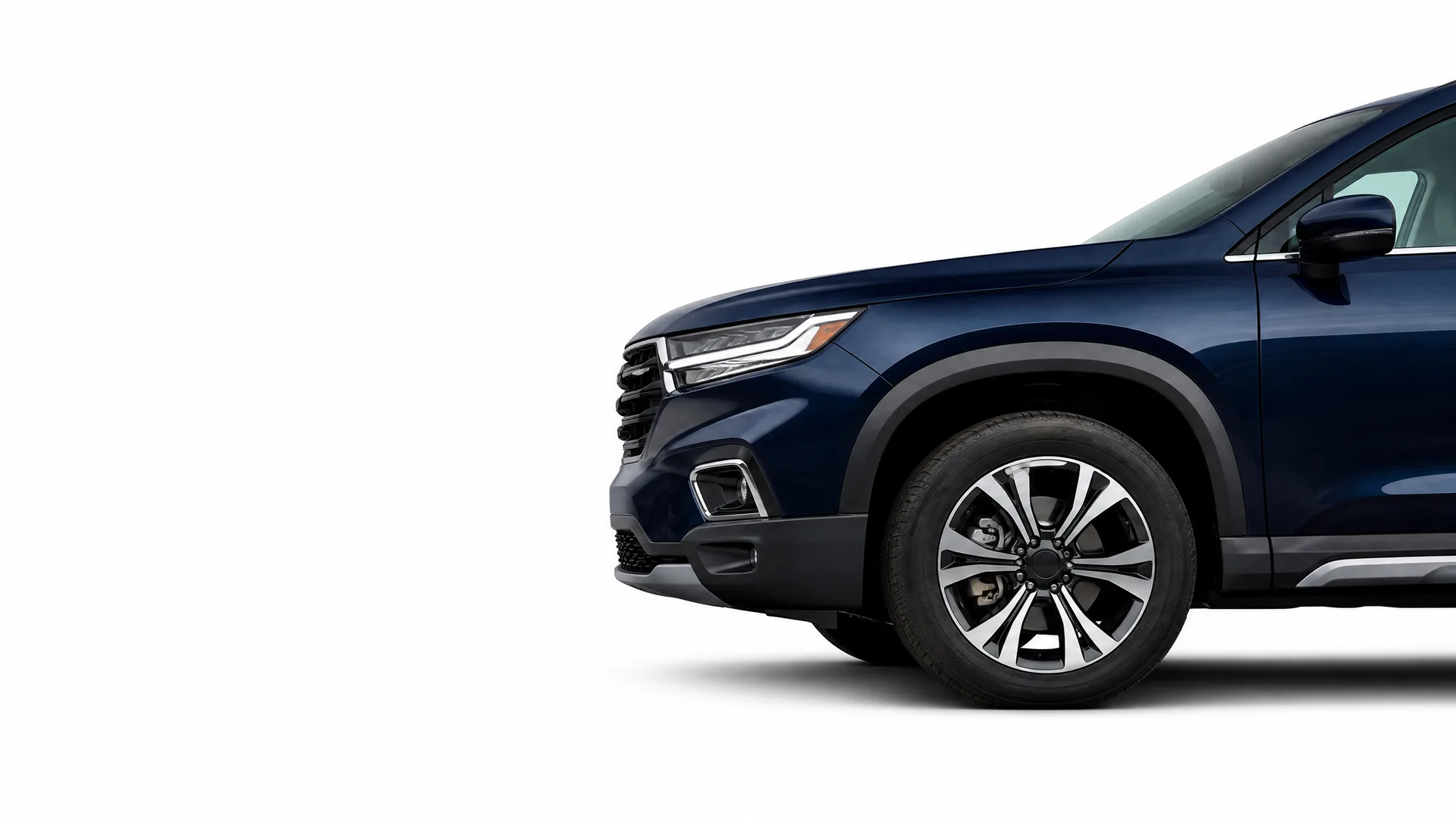
The right move isn't proving fault, it's weighing the repair cost against what a claim might cost you later.
Once you know how your policy handles parked car damage, compare quotes to find better coverage or a lower deductible.
What to do in what order
- Photograph everything first Take wide and close shots of the scrape, the surrounding area, and your parking spot before you touch anything. This protects you whether you file a claim now or later.
- Look for who did it Check for a note, nearby cameras, or garage attendants who might have seen something. If you find the other driver, their liability coverage may pay for it instead of yours.
- Get a repair estimate Have a shop quote the actual cost before deciding anything. You can't weigh a claim against your deductible until you know the real number.
- Check your coverage type Confirm whether your policy includes coverage for parked car damage and what your deductible is. This single detail decides most of what happens next.
- Decide based on the math Compare the repair cost to your deductible and ask your insurer how a claim might affect future pricing. Only file if the numbers make it worth it.
A scrape with no note and no camera
You come back to your car after a weekend trip and find a long scrape along the rear door, paint transferred from something low and wide, maybe a cart or another bumper. No note, no witness, and the garage camera covering that row turns out to be broken. You take photos immediately, from several angles, including the whole parking spot, in case the garage's insurance or management needs to see it later.
You take it to a shop for an estimate, and it comes back moderate, enough to be annoying but not dramatic. You call your insurer, ask about your deductible and whether a claim like this would affect your future pricing, and they explain how it's usually treated. Doing that math, you realize the repair cost is close enough to your deductible that filing isn't worth it. You pay for it yourself and make a note to park farther from the support columns next time.