What Questions Do Car Insurance Companies Ask
They ask about you, your car, your driving history, and where you keep the car overnight, because each answer changes your price.
Every question ties back to how likely you are to file a claim
An insurer's whole business is guessing how much risk you bring, and every question on the application exists to sharpen that guess. Where you live tells them about theft, weather, and accident rates nearby. What you drive tells them how expensive you are to repair or replace. How you've driven in the past, including tickets, accidents, and how long you've been licensed, tells them how you're likely to drive going forward.
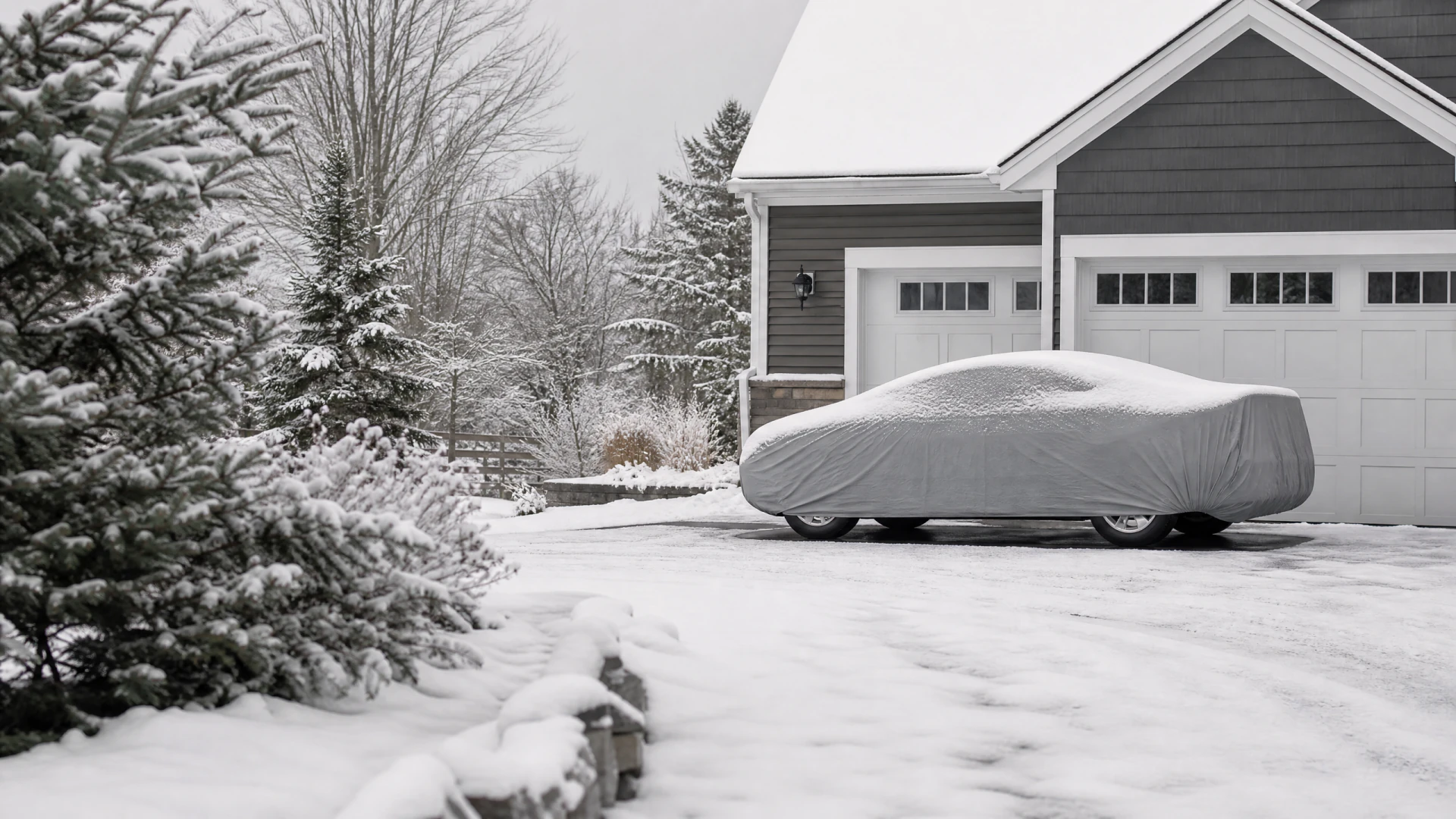
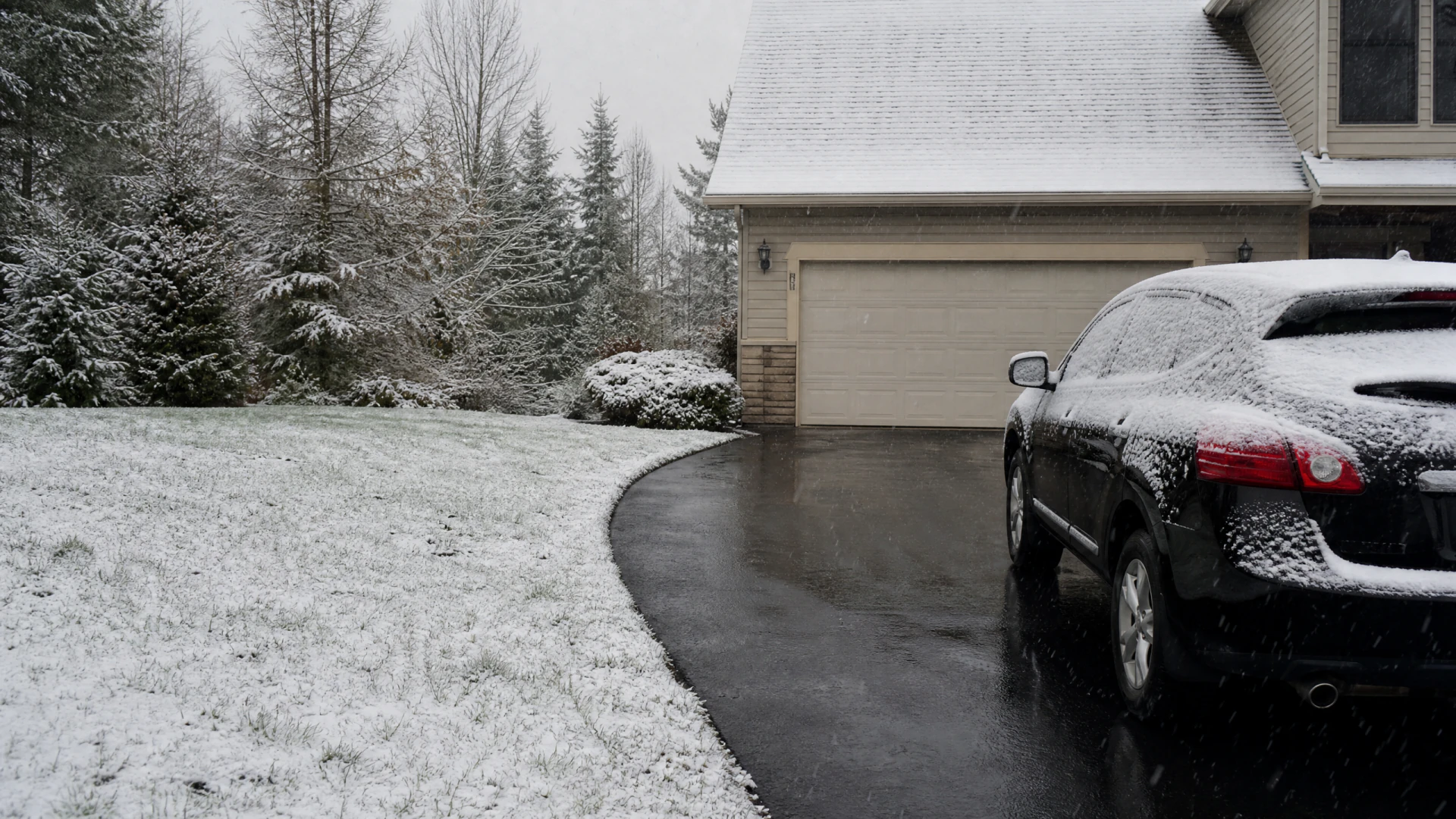
Some questions are about the car itself, like whether it's parked in a garage or on the street, because that changes the odds of damage or theft. Others are about the people on the policy, since anyone who regularly drives the car usually needs to be listed, not just the owner. This is where new homeowners often trip up, because a new address, a new garage, or a second car in the driveway all change the answers even if nothing about how you drive has changed.
Insurers also ask about your current coverage and any gaps in it, since a lapse often signals more risk even if the real reason was something ordinary like switching providers. They ask about other policies you hold, because combining a home and auto policy with the same company sometimes changes your price, for reasons unrelated to your driving.
What varies is which of these questions matter most and how heavily they're weighed, since that depends on the insurer and sometimes on the state you're in. Some states limit what factors can be used at all. Check your state's rules and ask each insurer directly what they weigh, rather than assuming the process is identical everywhere.

The short version
Insurers ask about your address, your car, your driving history, and who drives the car, because each detail changes how risky you look. Have accurate, current answers ready, especially anything that changed with your move. Then compare quotes using those same facts.

A couple update their answers after moving into their first house
A couple who just bought a house moved from an apartment with assigned street parking to a house with an attached garage. When they called to update their policy, the agent asked where the car would usually be kept overnight, how far their commute had changed, and whether a second car had joined the household. They hadn't thought about the garage mattering, but the agent explained that off-street parking often lowers the odds of theft or damage, so it was worth mentioning.
They also had to decide whether to combine their new homeowners policy with their auto coverage. The agent asked about their mortgage, their coverage limits, and whether either of them had any tickets or accidents in recent years. Answering honestly and completely let the agent quote them accurately the first time, instead of adjusting the price later after a claim revealed something that didn't match the application. In the end, they kept their answers on file and used them to compare quotes from a couple of other companies, knowing the facts wouldn't change, only the price each insurer offered for the same risk.
Once you know what you'll be asked, compare quotes with your real answers ready and see who prices your risk best.

Whether you answer every question completely and accurately
If you do
Your quote reflects your actual risk, so the price you're offered is the price you'll likely keep paying. If you ever file a claim, the insurer already has accurate information, so there's nothing to dispute. Updating details like a move or a new car stays simple because your file is current.
If you don't
You might get a lower quote upfront, but a missing or wrong detail can surface later, often right when you file a claim. The insurer may reprice your policy, deny part of a claim, or cancel coverage if the gap looks intentional. What looked like savings can turn into a bigger problem later.

These are the questions that shape your price the most
- Where you live Your address affects theft and accident rates nearby. Use your current address, especially if you just moved, since an old one can misprice your risk.
- Who drives the car Anyone who regularly drives needs to be listed, not just the owner. Leaving someone off can cause problems later if they're ever behind the wheel during a claim.
- Where the car is parked A garage or driveway usually looks safer than a street. Mention any change in parking, since it can lower your price.
- Your driving history Past tickets or accidents signal future risk to insurers. Be upfront about them, since they'll usually surface anyway when the insurer checks your record.
- Your other policies Insurers ask what other coverage you hold, including home insurance. Combining policies with one company sometimes lowers your price, so it's worth asking directly.