What Not to Tell an Insurance Adjuster
Stick to facts, skip guesses about fault or injuries, and never say you're sorry it happened.
Keep these out of any conversation with an adjuster
- Don't guess fault Saying you might be partly to blame can get recorded as an admission. Describe what happened and let the investigation sort out fault.
- Don't downplay injuries Telling them you're fine before you've seen a doctor can limit what you're later able to claim. Say you're still finding out and leave it open.
- Don't estimate speed or distance Guesses about how fast you were going or how far away something was can be used against you if they're wrong. Say you don't know for certain if that's the truth.
- Don't apologize out of habit Apologizing can be read as accepting responsibility even when you didn't mean it that way. Stay courteous without saying sorry for the incident itself.
- Don't rush the statement You can ask to schedule it for later once you've gathered your thoughts and documents. There's no rule saying you must answer on the spot.
Do you have to talk to the adjuster at all?
You have to report the claim, but you don't have to answer every question the moment they call. You can confirm basic facts, the date, the location, who was involved, and still say you'll follow up once you've reviewed everything or spoken with someone you trust.
Adjusters often call soon after an incident because people are more likely to talk freely before they've thought it through. Taking a day to collect your notes, photos, and any police report isn't suspicious, it's normal. Insurers expect policyholders to take reasonable time, and doing so doesn't hurt your claim. What hurts a claim is vague or inconsistent statements given under pressure, not a short delay to get your facts straight.
Once you know how to handle an adjuster call, compare quotes so your coverage holds up when you actually need it.
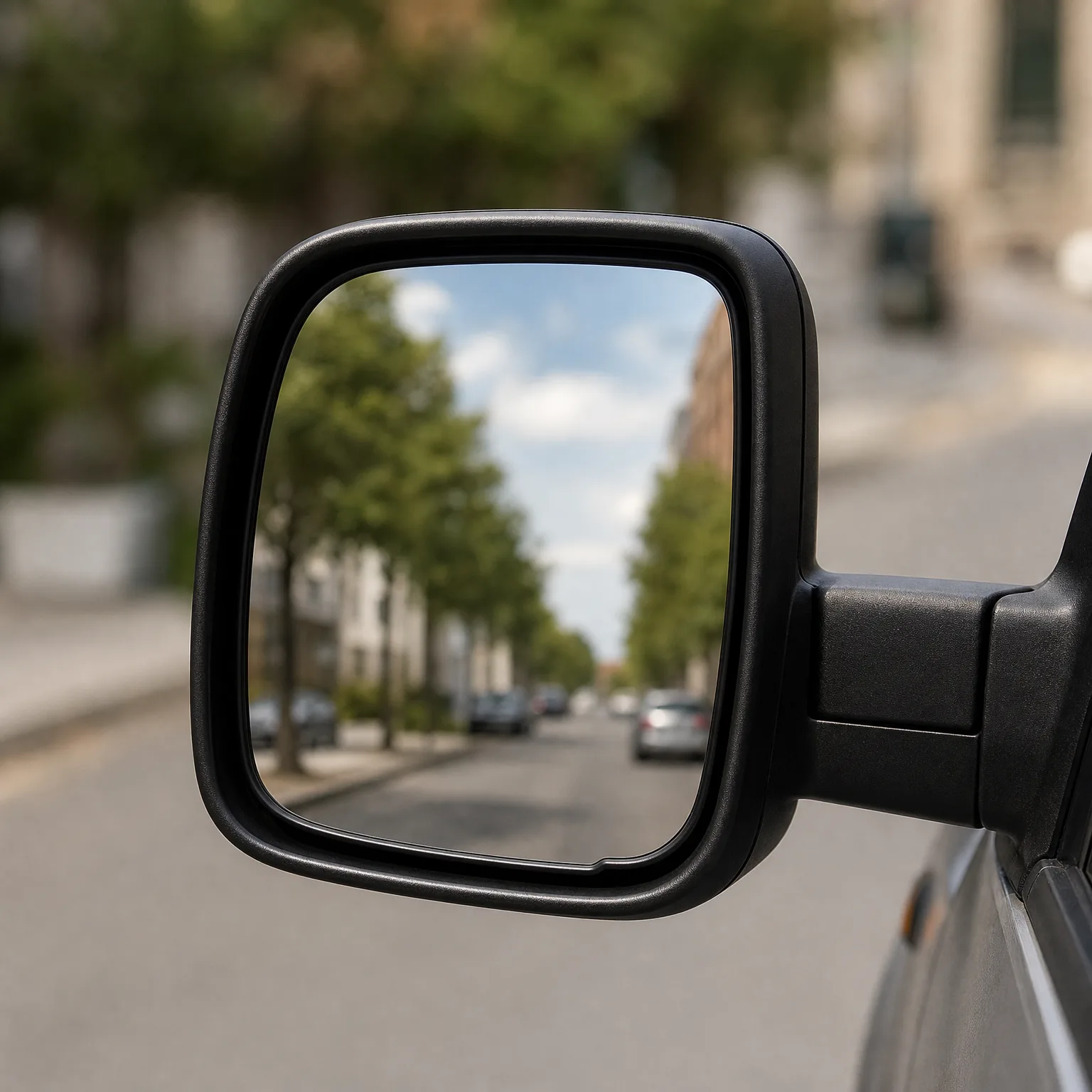
A fender bender right after moving in
You're driving home from the new house with boxes still in the trunk when someone backs into your car in a parking lot. The other driver seems nice, says it was mostly their fault, and you find yourself saying it's okay, you probably weren't paying full attention either. Later that day, your insurer calls to get a statement.
Instead of repeating the apology, you stick to what you know. You describe the positions of the cars, the damage, and the time, and you say you're not certain about fault since the investigation is still open. You also mention you want to wait a day before giving a full recorded statement so you can check the parking lot's camera footage. That footage ends up showing the other car backing out without looking, which supports your account instead of the vague, self-blaming version you almost gave on the phone.

What you say in the first conversation can matter more than what actually happened.
Can an adjuster use my words against me later?
Yes, anything you say, especially in a recorded statement, can become part of the official claim record. Adjusters are trained to ask open questions that invite guesses or apologies. If you're unsure about something, it's fine to say so rather than fill the silence with speculation.
Should I get my own insurer's version before talking to the other side?
Yes, talk to your own insurer first since they represent your interests, while the other driver's adjuster represents theirs. Your insurer can guide you on what to share and what to leave for the investigation. This order protects you from giving details that only benefit the other party's case.
Is it okay to put a claim in writing instead of over the phone?
Yes, many insurers accept written statements or let you follow up in writing after an initial call. Writing gives you time to be precise and avoid guesses you might make out loud under pressure. Check with your insurer whether a written statement can satisfy their reporting requirement.