What Makes a Car Unrepairable After Storm Damage
A car is unrepairable when repair cost plus its actual cash value outweighs what the car is worth, so the insurer totals it instead.

These factors decide if a storm-damaged car gets totaled
- Repair cost vs. value If repairs cost close to or more than the car is worth, the insurer totals it instead of fixing it. Check your policy for how actual cash value is calculated, since that number drives the whole decision.
- Flood water in the engine Water that reaches the engine or electrical system often means the damage goes far beyond what's visible. Ask an adjuster specifically whether water intrusion was found, not just whether the car starts.
- Frame or structural damage Hail or falling trees can bend a frame in ways that are expensive and sometimes impossible to fully correct. A bent frame almost always pushes a car toward total loss, regardless of how the body looks.
- State salvage title rules Some states total a car automatically once damage crosses a set threshold, others leave more room for judgment. Check your state's rule so you know whether the math or a person is making the call.
- Your own coverage choice None of this applies unless you carry comprehensive coverage, since storm damage falls outside liability and collision alone. Confirm you have it now, especially if your policy hasn't been reviewed since you moved.
A hailstorm hits the week after the move
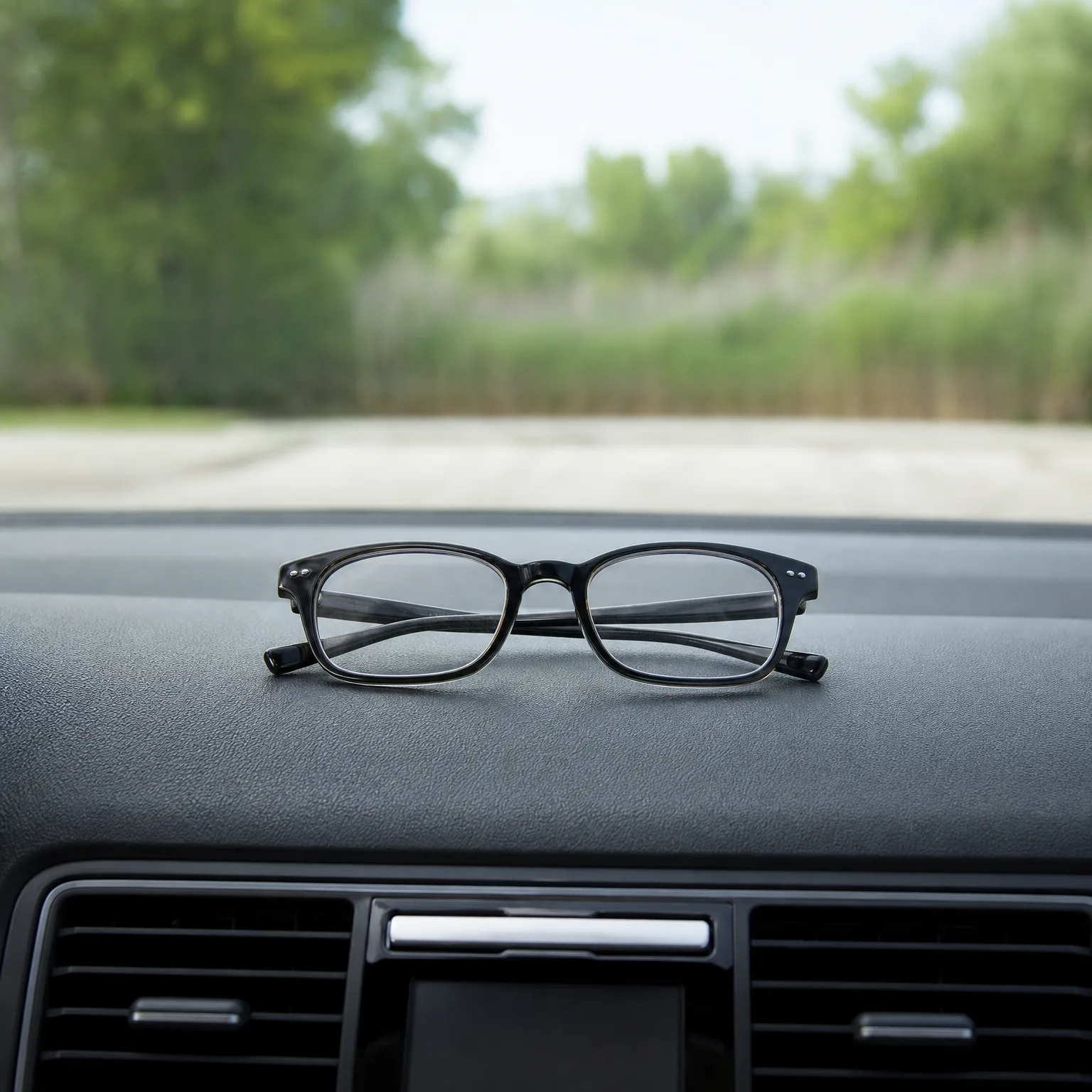
You'd just parked in the new driveway when a hailstorm rolled through and left dents across the hood and roof, along with a cracked windshield. You filed a claim and an adjuster came out within a few days, since the car was still drivable and nothing looked severe at first glance.
The adjuster found that the cost to repair the body panels and glass, combined with what the car was already worth given its age, came close enough to the car's value that the insurer declared it a total loss rather than approving the repair. You had comprehensive coverage from years ago that you'd never dropped, so the claim was covered, and you used the payout as a down payment on a replacement car. If you hadn't kept that coverage after the move, the hail damage would have been yours to pay for alone.

Now that you know what totals a storm-damaged car, compare quotes to make sure your coverage would actually pay out.

Checking your comprehensive coverage before storm season
If you do
You confirm comprehensive coverage is active and know your deductible, so if hail or flooding hits your car you already understand what's covered and roughly what you'd owe. You can make decisions quickly, without scrambling to read your policy for the first time during a claim.
If you don't
You find out what your policy covers only after damage happens, possibly discovering comprehensive coverage lapsed or was never added after your move. That gap can mean paying entirely out of pocket for storm damage you assumed was covered.
Can I keep driving a car the insurer says is totaled?
Usually not without consequences, since a totaled car gets a salvage title in most states. You can sometimes buy it back from the insurer and keep driving it, but it then carries a salvage or rebuilt title, which affects resale value and can complicate future insurance. Check your state's rules on salvage titles and ask your insurer what buying back the car would involve before deciding.
Does comprehensive coverage cost more after a move to a new area?
It can, since comprehensive rates reflect local risk factors like weather patterns and theft rates. A move to an area with more frequent storms or hail may raise the cost of that coverage specifically. Check with your insurer what your new zip code changes, and ask directly whether storm frequency in the area affects your rate.
What happens to my loan if my financed car is totaled?
Your insurer pays out the car's value, but if you owe more on the loan than that, you're responsible for the difference unless you have gap coverage. Check your loan balance against what your car is likely worth, and ask your lender or insurer whether gap coverage is available or already included.
Coverage you forgot you had is the only thing standing between a storm and a bill you didn't expect.