What Is the Most Effective Car Theft Deterrent
A combination that stops the car from starting and lets it be found if it's taken beats any single device on its own.
A new homeowner with a car parked in a driveway, not a garage
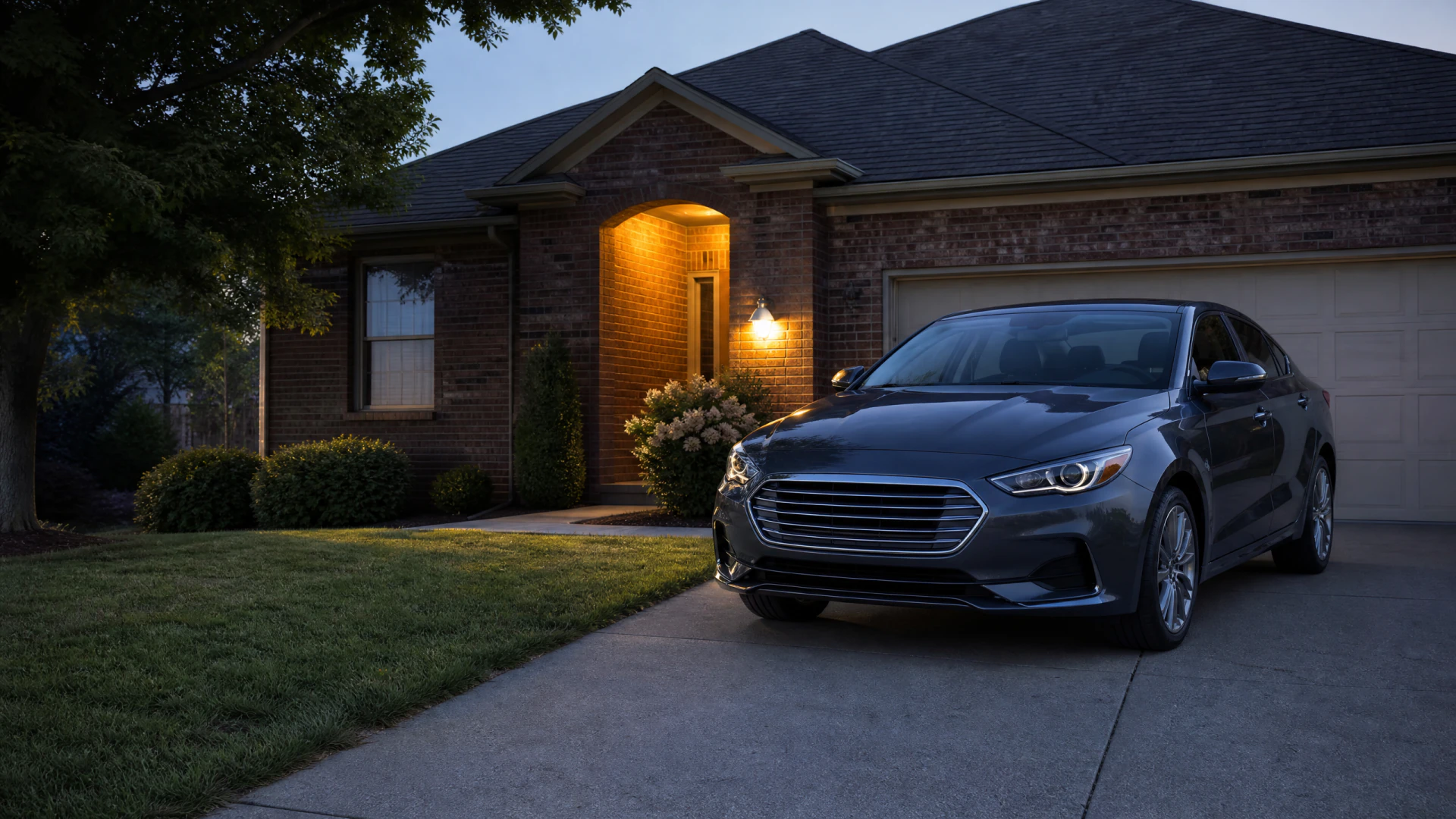
After closing on their house, a couple realized their new neighborhood had more street parking and less of the enclosed garage space they'd had at their old apartment building. Their car, a few years old, had never had any anti-theft equipment beyond the factory alarm. They started asking around and found their insurer offered a discount for a certain class of anti-theft device, so they looked into what that meant before buying anything.
They ended up installing a steering wheel lock for visible deterrence and a GPS tracking device that worked with a phone app, since their home didn't have a garage yet and the car would sit outside most nights. They called their insurer to confirm the tracking device qualified for a discount, updated the policy, and kept the receipt in case of a claim. A few months later a neighbor's car was broken into, but theirs wasn't touched, and they felt the visible lock had done its job even before the tracker was ever needed.

The short version
The most effective deterrent combines something a thief can see, like a steering wheel lock, with something that helps recover the car if it's taken, like a tracking device. No single device covers both jobs. Check with your insurer about which devices qualify for a discount before you buy.
Will adding a theft deterrent actually lower my insurance rate?
Often yes, but not automatically. Insurers look for specific categories of equipment, things like factory or aftermarket immobilizers, alarms that meet certain standards, or tracking systems that can alert authorities or recovery services. A steering wheel lock alone, while a good physical deterrent, usually isn't the kind of device that triggers a discount because it doesn't report anything electronically.
The only way to know for sure is to call your insurer and ask what qualifies before you spend money expecting a discount. Some insurers also want documentation, like an installation receipt or a VIN-linked tracking account, before they'll apply it. If you're bundling home and auto, ask during that same conversation since it's one call instead of two.
Once you know which deterrent fits your parking and discount rules, compare quotes with that device in place.
Why visibility and recovery work together better than either alone
A car theft happens in two phases, the decision to target a car and the attempt to actually take it. A visible deterrent, like a steering wheel lock or an etched VIN sticker, works on the first phase. Thieves look for easy, quiet opportunities, and anything that adds time or risk to the attempt makes your car less appealing compared to the one parked next to it.
A tracking or recovery system works on the second phase, after the car is already gone. It doesn't stop the theft itself, but it dramatically shortens the time between the theft and recovery, which matters both for getting your car back intact and for how insurers price the risk. Insurers price theft risk partly on how often cars like yours are recovered, so a device that improves recovery odds can lower what they charge even if it did nothing to prevent the theft.
Where this changes is based on your parking situation and your location. A car in a locked garage overnight has a fundamentally different risk profile than one parked on a street in a high-theft area, and some insurers weight that more heavily than the device itself. Rural areas with low theft rates may see smaller discounts for the same equipment that earns a bigger discount in a dense urban zip code.
Insurers also vary in which devices they recognize. Some only credit systems from a short list of manufacturers or installers, others accept any device that meets a technical standard. That's a detail you have to check directly rather than assume, since the same tracker might qualify with one insurer and not another.
The device that stops a thief from trying isn't the device that gets your car back, so plan for both.
Does a car alarm alone lower my insurance rate?
Usually not much, because most factory alarms are already assumed in your base rate and don't count as an upgrade. Insurers tend to reserve discounts for equipment beyond what came standard, like an aftermarket immobilizer or a monitored tracking system. Check your policy's discount list or ask directly, since some insurers do credit certain alarm brands if they meet a specific certification.
Is a dash cam considered a theft deterrent by insurers?
Rarely, because a dash cam documents what happened rather than preventing or helping recover a stolen car. It can help with claims and liability disputes, which is valuable on its own, but it doesn't typically qualify for a theft-specific discount. If you want both benefits, you'd still need a separate tracking or immobilizer system for the theft side.
Do insurers care if I park in a garage versus on the street?
Yes, often significantly, because where your car sleeps at night is one of the clearest theft risk factors insurers track. A garage reduces exposure to opportunistic theft and can lower your rate independent of any device you install. If your new home has a garage you're not using for the car, ask your insurer whether using it changes your premium before you decide.