What Is the Difference Between an Accident and a Collision
An accident is any event that damages your car, and a collision is one specific kind, where your car hits something or something hits it.

A deer in the road versus a fender bender
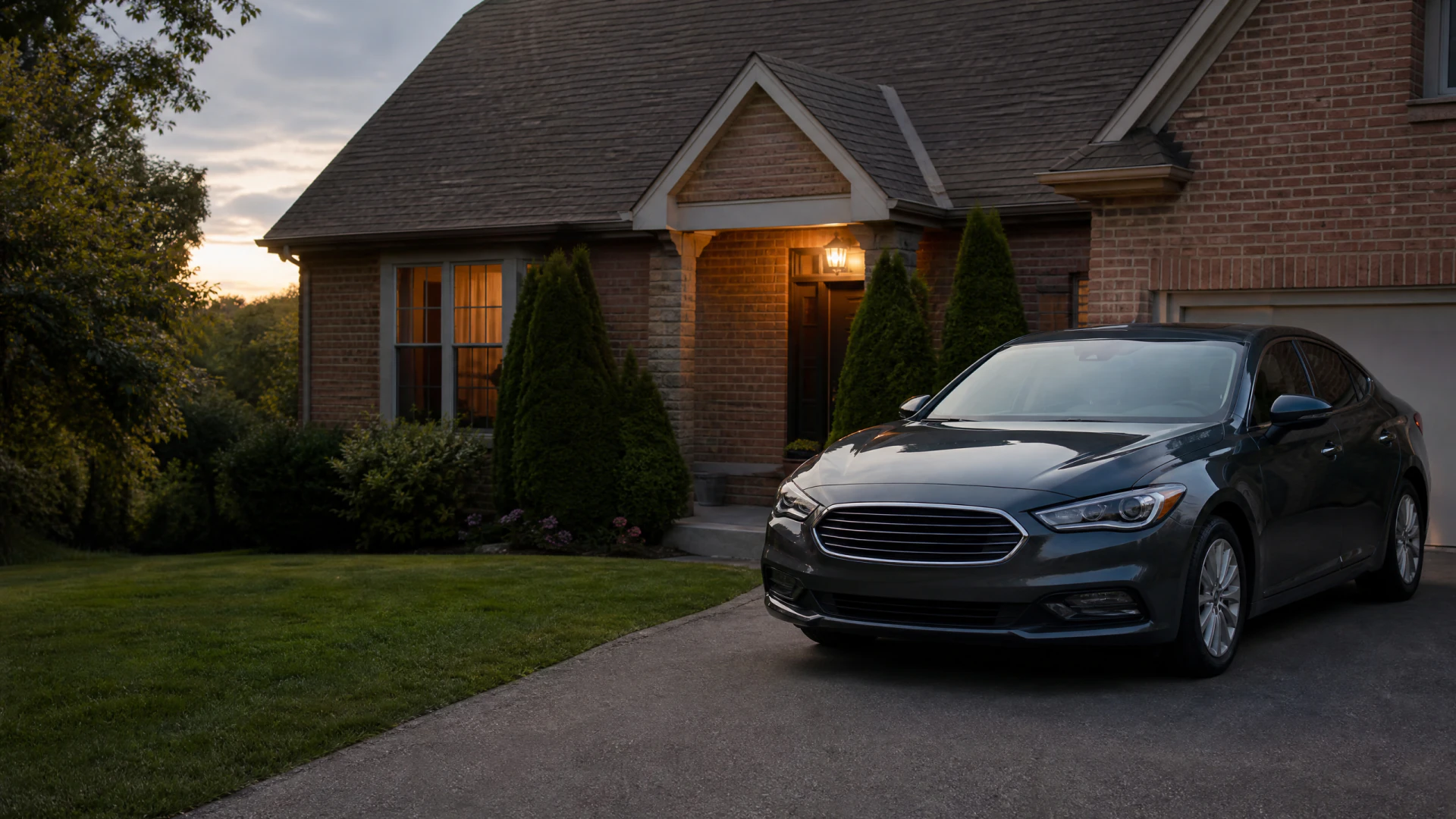
You're driving home at dusk and a deer runs into the road. You swerve to avoid it and your car clips a guardrail. Later, filing the claim, you wonder whether this counts as a collision since you did hit something, even though the deer caused it.
It turns out this is comprehensive, not collision, because the triggering event was the animal, not your driving into another vehicle or object on its own. Your agent explains that if you'd hit the deer directly, that would also fall under comprehensive in most states, since animal strikes are treated separately from collision claims. Either way, your car gets repaired, but which coverage pays, and whether a deductible applies, depends on which bucket the event falls into. Understanding that distinction before you call it in helps you ask the right questions and know what to expect.
Does it matter which word I use when I file a claim?
Not really, in the sense that you don't need to get the terminology right for your insurer to help you. When you call to report what happened, describe the event itself, what hit what, whether anyone else was involved, what the weather or road conditions were. The insurer figures out which coverage applies based on those facts, not based on whether you said 'accident' or 'collision.'
What does matter is giving an accurate, complete description of what happened. If you leave out that a deer was involved, or that the damage came from a falling tree branch rather than another car, you could end up with the claim routed to the wrong coverage initially, which can slow things down. Be specific about the cause, not just the result, and the right coverage will follow.

Carrying collision coverage or dropping it
If you do
Your car is covered if you hit another vehicle, a tree, a guardrail, or flip on your own, no other driver needed. You pay a deductible, then repairs get handled. This matters most if your car has real value or you couldn't afford to replace it out of pocket.
If you don't
You're only covered if someone else is legally responsible and their insurance pays, or if the damage falls under comprehensive, like weather or theft. A single-car accident where you're at fault means you pay for repairs entirely yourself, which can be a hard surprise.
Now that you know what collision coverage actually protects against, compare quotes to see what it costs to carry it.

Is hitting a pothole considered a collision?
Yes, hitting a pothole is typically treated as a collision, because your car struck an object, even though no other vehicle was involved. This surprises a lot of people who assume collision coverage only applies to crashes with other cars. Check your policy's definitions section, since the exact wording of what counts as collision can vary by insurer. If you don't carry collision coverage, pothole damage usually isn't covered at all, which is worth knowing before you decide whether to carry it.
Does comprehensive cover hitting an animal or does collision?
Comprehensive usually covers it, not collision, even though you physically struck the animal with your car. Insurers generally classify animal strikes this way because the animal's unpredictable movement is treated more like an external event than a driving collision. This is a state and insurer detail worth confirming directly, since the classification affects which deductible applies. If you drive somewhere with frequent wildlife on the roads, this is worth understanding before, not after, it happens.
What happens if I'm not sure whether to file a claim at all?
Call your insurer or agent and ask them to walk through the cost of repairs against your deductible before you officially file. Many insurers let you ask hypothetical questions without it counting as a claim on your record. If repairs cost close to or less than your deductible, paying out of pocket may be the better move. What changes this answer is whether another party was involved and may file their own claim regardless of what you decide.
The word doesn't decide your coverage. The facts of what happened do, so describe them fully.