What Is the Best Way to Lower Car Insurance Premiums
The biggest savings come from matching your coverage and discounts to your new address and household, not from cutting limits.

A couple settles their policy after the move
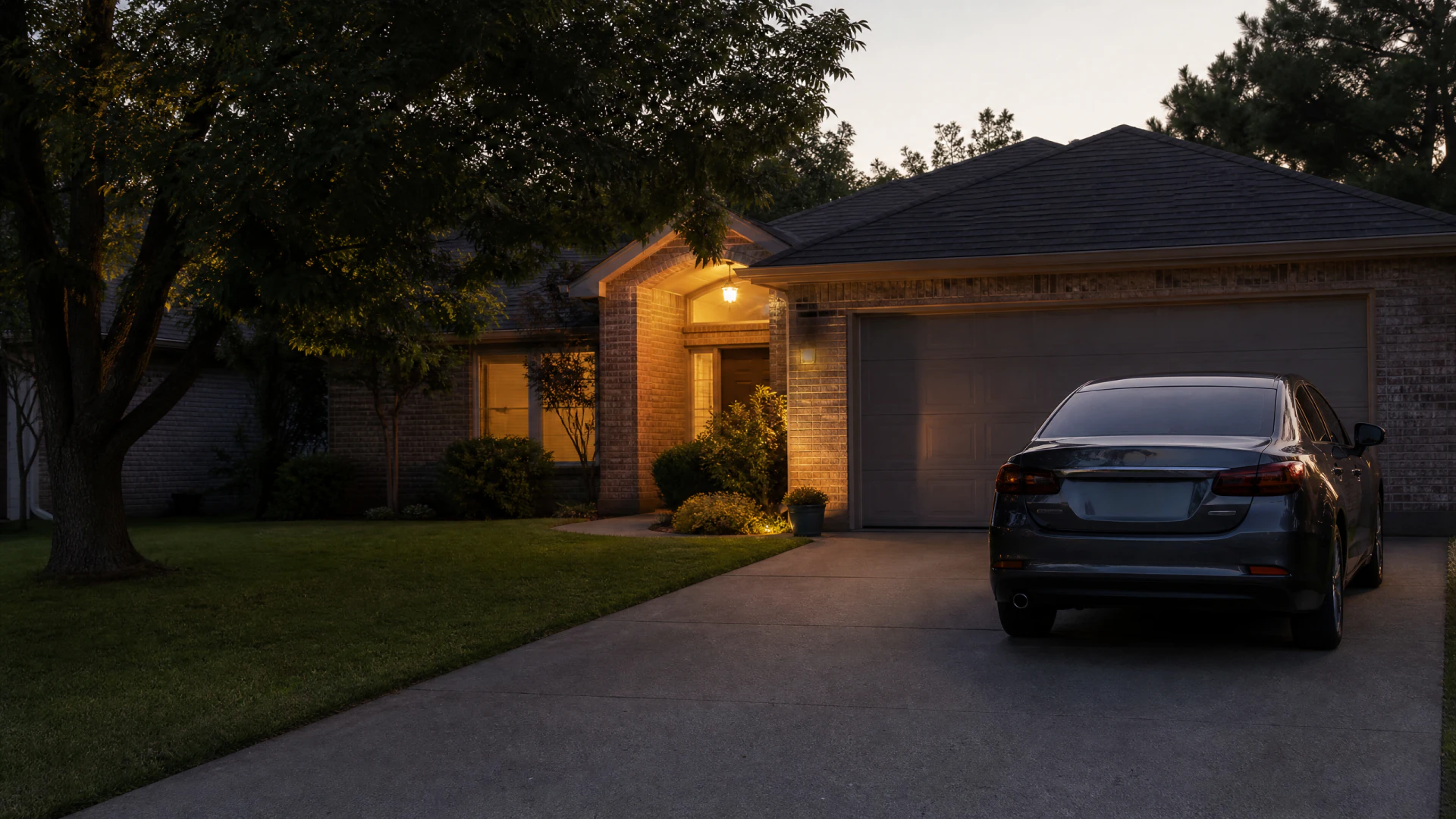
A couple bought their first house and renewed their car insurance on autopilot, same coverage, same company, new address typed in without much thought. The premium went up and they assumed that was just how it worked now. Before renewing again, they pulled their declarations page, checked what their lender required for the home policy, and asked their insurer what changed with the new zip code and the addition of a garage.
They found their old policy still listed a commute from their previous address, far longer than their new one, and that was quietly padding the price. They also learned that bundling the auto and home policies with the same insurer qualified them for a discount neither of them had asked about. They adjusted the commute, added the garage as off-street parking, bundled the policies, and kept their coverage limits the same instead of lowering them. The new premium reflected their actual life, not their old one, and they felt like they finally understood what they were paying for.
Will bundling my home and car insurance actually save money?
Usually yes, but not automatically, and not by the same amount for everyone. Insurers offer bundling discounts because carrying both policies makes you a more predictable, lower-effort customer for them, and they price that in. But the size of the discount varies by insurer, and sometimes a bundled price is still higher than buying the two policies separately from different companies.
The only way to know is to ask for both numbers, bundled and separate, from more than one insurer. Some companies are strong on home insurance but expensive on auto, or the other way around. Treat bundling as something to check, not something to assume, and let the actual quotes decide it rather than the convenience.

Now that you know what moves your premium, compare quotes to see what your new address and household qualify you for.

Updating your policy after the move versus leaving it alone
If you do
You give your insurer your real address, commute, and parking situation, which lets them price your risk accurately instead of guessing from old information. You also surface discounts tied to your new home, like bundling or garage parking, that didn't exist on your old policy. Your coverage matches your actual life.
If you don't
Your policy keeps pricing you based on where you used to live and how you used to drive, which can mean paying for risks you no longer have. It can also mean missing discounts you'd now qualify for. In some cases an unreported address change can even complicate a claim later.

What actually lowers your premium
- Update your address details Your zip code, commute length, and where the car is parked overnight all factor into your price. Give your insurer the real numbers instead of leaving old details in place.
- Ask about bundling Combining home and auto with one insurer often unlocks a discount, but not always the best overall price. Get a bundled quote and a separate quote before deciding.
- Reconsider your limits carefully Lowering coverage limits can cut your premium, but it shifts more financial risk onto you if something happens. Raise your deductible instead if you want a lower payment without losing protection.
- Ask what discounts apply now A garage, a security system, or a shorter commute can all qualify you for discounts you didn't have before. Ask directly rather than waiting for the insurer to apply them.
- Shop around before renewing Loyalty rarely lowers your price on its own, and insurers price new customers differently than renewing ones. Get quotes from a few insurers before your next renewal date.
Why these changes move the price and others don't
Car insurance premiums are built from risk estimates, and every detail you give an insurer either raises or lowers their estimate of how likely you are to file a claim. Where you live affects theft and accident rates. How far you drive affects how much time you spend exposed to risk. Where the car sleeps at night affects theft and damage risk. When you update these details accurately, you're not negotiating a better deal, you're correcting the inputs the price is built from.
Discounts work differently. They're not corrections to risk, they're rewards for behavior or bundling that makes you cheaper for the insurer to serve, like carrying multiple policies with one company or having safety features installed. These discounts vary a lot by insurer and by state, so what lowers your price with one company might do nothing with another. That's why checking directly with your insurer, or comparing a few, matters more than assuming a standard discount applies everywhere.
Limits and deductibles are the one place where you're making a real tradeoff rather than correcting information. Lower limits or a higher deductible will lower your premium, but they lower what you're protected against too. For someone newly carrying a mortgage, it's worth thinking about whether you could actually cover a higher deductible out of pocket right now, since that's the real cost of the lower premium.
Finally, some of this depends on rules that differ by state, like how insurers are allowed to weigh certain factors or what minimum coverage is required. Check your state's specific rules or ask your insurer directly rather than assuming your old state's rules still apply.