What Is the Best Material for an Outdoor Car Cover
For most outdoor parking, a multi-layer woven fabric with a breathable inner layer beats single-layer or plastic-feeling covers.

Match the fabric to your weather, not just the price tag
- Breathability A cover that can't breathe traps moisture against your paint, which causes worse damage than no cover at all. Check that the material is described as breathable or moisture-wicking before buying.
- UV resistance Sun breaks down cheap fabric fast and fades your paint underneath. Look for covers that specifically list UV-blocking layers, especially if your car sits outside all day.
- Layered construction Single-layer covers protect against dust but little else. Multi-layer covers with a soft inner lining and tougher outer shell handle rain, sun, and scratches at once.
- Fit and tie-downs A loose cover flaps in wind and rubs the paint, undoing whatever the material promises. Choose a semi-custom or custom fit with straps or grommets so it stays put.
- Water repellent, not waterproof Fully waterproof covers trap condensation underneath just like non-breathable ones. Water-resistant breathable fabric sheds rain while still letting moisture escape.
Does a more expensive cover always mean better protection?
No. Price often reflects brand name or added features like built-in locks and cables, not necessarily better core material. A mid-range breathable, multi-layer cover from a lesser-known maker can outperform an expensive cover that skimps on breathability.
What actually matters is matching the fabric to your conditions. Someone parking under trees with sap and bird droppings needs different protection than someone in an open lot with intense sun. Read the material description closely instead of assuming the higher price solves your specific problem.
It also helps to think about how long you'll keep the car and cover. A cheaper cover replaced every couple of years can work out fine, while a premium cover that fits poorly or traps moisture can cause damage no price justifies.

Whether you get a breathable multi-layer cover
If you do
Rain beads and slides off while trapped moisture still escapes underneath. Your paint stays shielded from sun and sap without developing the swirl marks or mildew spots that come from trapped humidity. The cover itself lasts longer because it isn't fighting condensation every day.
If you don't
A single-layer or non-breathable cover traps moisture against your paint overnight. Over weeks, that moisture causes water spots, mildew, or worse under the clear coat. You end up paying for paint correction that costs far more than the better cover would have.
Now that you know which cover fits your parking situation, compare car insurance quotes to match your coverage to it.

Can a car cover replace garage parking for insurance purposes?
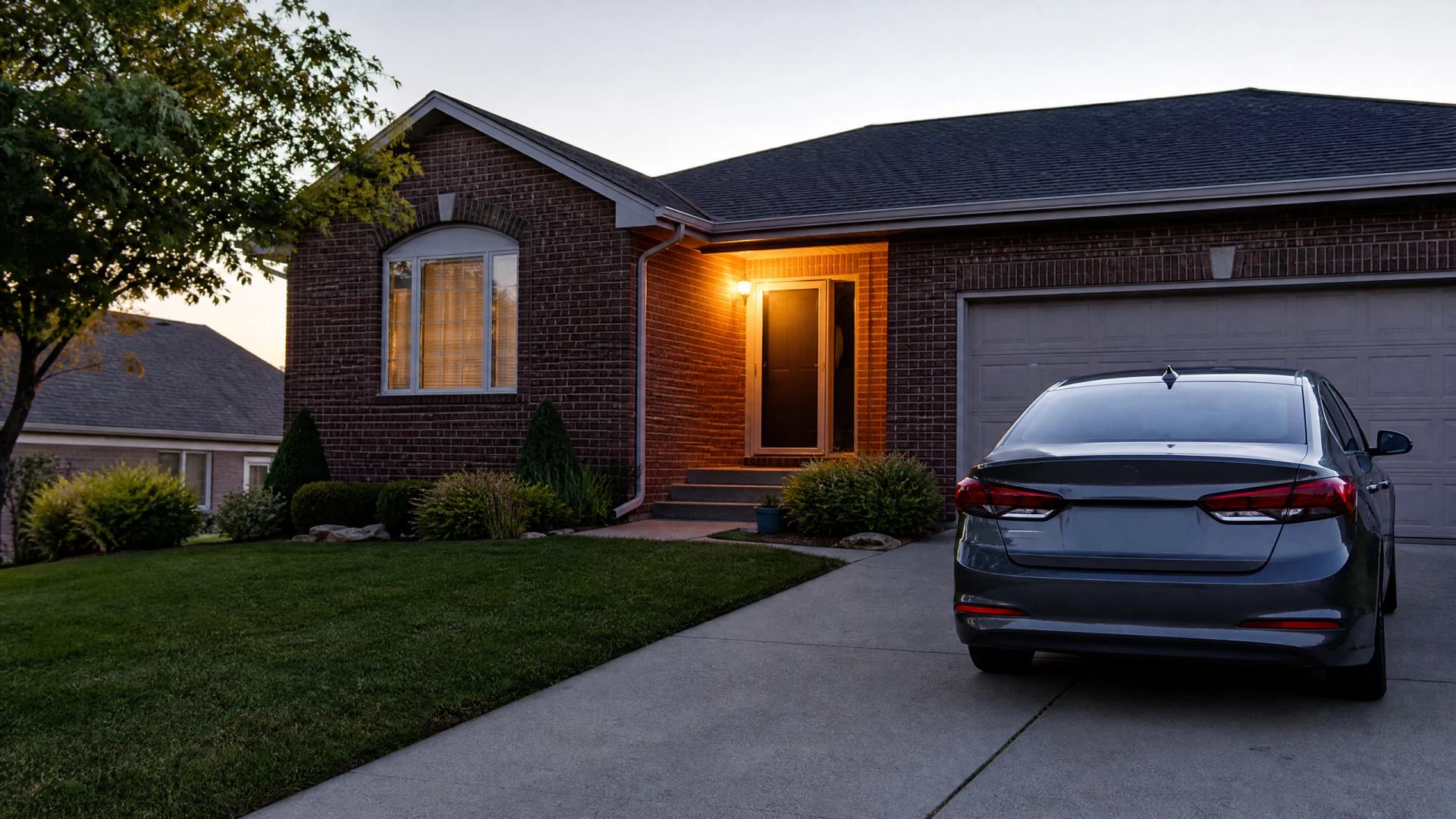
No, a car cover doesn't change your insurance coverage or rates the way a garage does. Insurers care about where the car is parked overnight and the theft or weather risk tied to that location, not what cover you use. If your policy asks about garaging, answer based on your actual parking situation, not the cover. Check with your insurer if you're unsure how they define garaged versus unsheltered parking, since definitions can vary.
How often should I replace an outdoor car cover?
Replace it as soon as you notice thinning fabric, torn seams, or loss of water repellency, which often happens gradually. Outdoor covers face constant UV and weather exposure, so they wear faster than indoor covers. Check the fabric every few months by looking for fading, stiffness, or water soaking through instead of beading. How often you need to replace it depends heavily on your climate and sun exposure, so there's no fixed schedule that fits everyone.
Will a car cover stop hail or falling branch damage?
A cover reduces minor scuffs and light debris impact but won't meaningfully stop hail or a falling branch. The material isn't built to absorb heavy impact, even padded options. For that kind of risk, comprehensive coverage on your policy is what actually protects you financially. If you park under trees or in a hail-prone area, check your comprehensive coverage details rather than relying on the cover for serious protection.

The cover protects your paint, but your parking spot and coverage decide what actually protects your wallet.