What Is Not Covered Under Comprehensive Insurance
Comprehensive skips collisions, normal wear, and anything tied to how you drive, not just storms and theft.
A cracked windshield turns into a bigger repair bill
You bought your first home a few months ago and parked your car in the new driveway instead of a garage. A storm rolled through, hail cracked the windshield, and a tree branch scratched the hood. You assumed both would be covered the same way since both felt like bad luck, not bad driving.
When you called to understand the claim, you learned the hail damage to the body was covered under comprehensive, but the windshield crack needed a separate glass claim process, and a scrape you'd gotten weeks earlier backing out of the old apartment's tight lot was a collision claim instead, handled under a different part of your policy entirely. You ended up filing two claims instead of one, and realized the deductible applied separately to each. Next time, you checked which coverage applied before assuming everything storm-adjacent counted the same way.
Does comprehensive cover a cracked windshield or just storm damage?
It depends on how the crack happened, not just that it happened to the glass. If a rock kicked up by a truck cracked your windshield while you were driving, that's typically treated as comprehensive damage because it wasn't caused by hitting another vehicle or object yourself. But if you backed into a pole and the windshield cracked as part of that impact, that's a collision claim instead.
Some insurers also offer separate glass coverage with its own deductible, sometimes lower or waived entirely, so a windshield crack might cost you less out of pocket than a typical comprehensive claim would. Check whether your policy or state treats glass as its own category, because that changes both which claim you file and what you pay.

Now that you know what comprehensive actually leaves out, compare quotes to see what each policy adds back in.
Here's what comprehensive won't pay for
- Hitting another car That's collision coverage, not comprehensive. If you back into a mailbox or rear-end someone, you need collision on your policy or you're paying out of pocket.
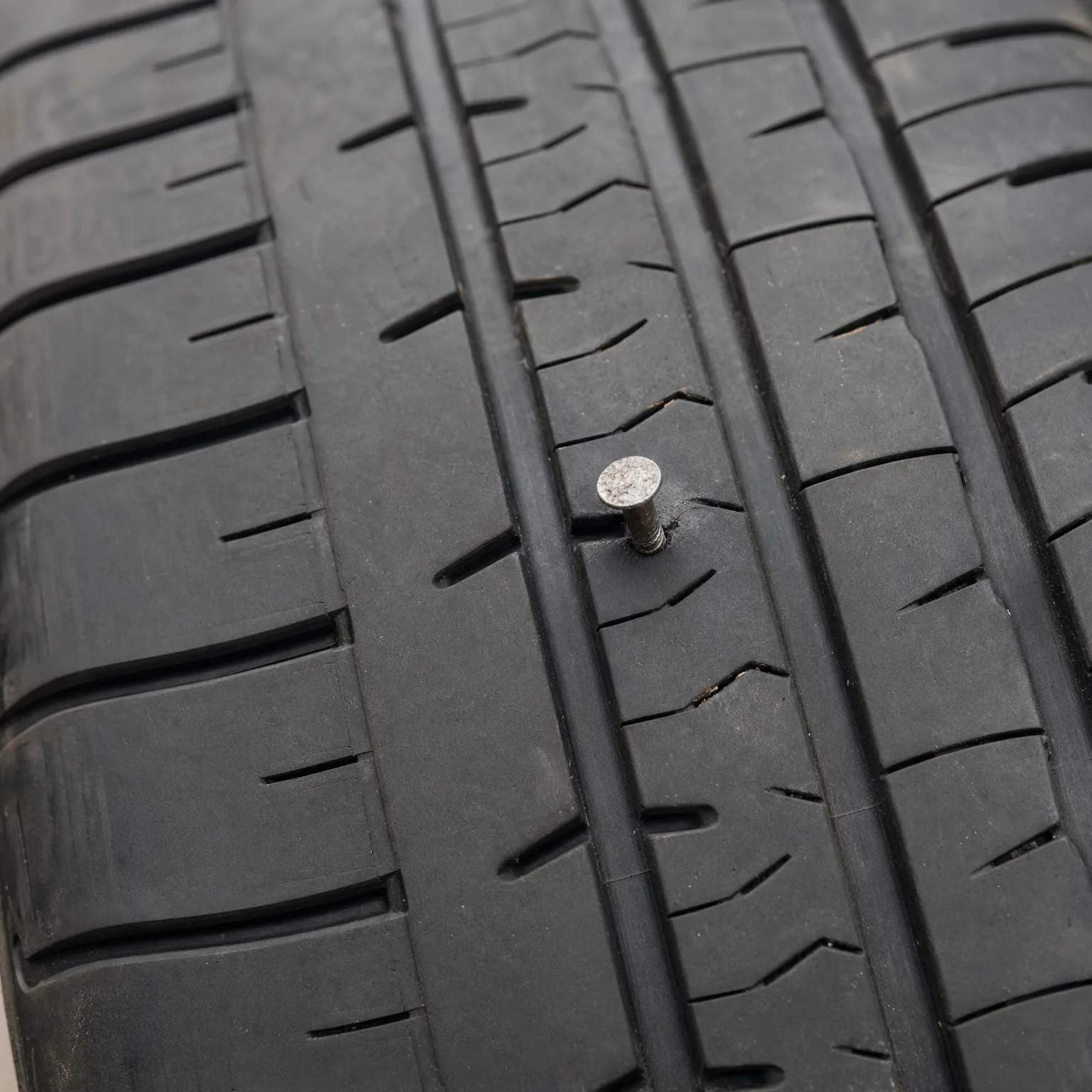
- Normal wear and tear Worn brakes, an aging transmission, or a battery that dies aren't sudden events comprehensive covers. Budget for maintenance separately, since no car insurance policy treats this as a claim.
- Your own medical bills Comprehensive covers the car, not you. Check your health insurance and any medical payments or personal injury protection coverage your state requires or offers.
- Driving under suspension If your license is invalid when damage happens, insurers can deny the claim entirely. Keep your license current, especially after a move that might affect renewal timing.
- Belongings stolen inside A stolen laptop or bag usually falls under homeowners or renters insurance, not comprehensive. Check your new homeowners policy's personal property section for what it covers away from home.
Why comprehensive draws the line where it does
Comprehensive exists to cover damage that happens to your car without you causing it through driving. Theft, vandalism, fire, falling objects, and animal strikes all share one thing in common, you weren't behind the wheel making a decision that led to the damage. That's the dividing line insurers use, and it's why anything involving a collision with another car or object gets routed to a different coverage entirely, even if it felt just as sudden and just as unlucky.
The exclusions for wear and mechanical failure follow a similar logic. Insurance is built around unpredictable events, not the slow, expected cost of owning a car over time. A worn-out part failing after years of use isn't an accident, it's maintenance, and treating it as a claim would make every policy unworkably expensive for everyone.
Medical costs and stolen belongings sit outside comprehensive for a different reason. Car insurance is scoped to the vehicle and, depending on your state, to injury liability. It was never designed to double as health insurance or renters insurance, so those costs route to the policies actually built for them. This is also where your move matters, because a homeowners policy you just set up may now cover some of what you assumed your car insurance handled.
Where this plays out differently is state to state. Some states require personal injury protection as part of auto insurance, which blurs the line between car and medical coverage. Others leave medical costs entirely to health insurance and liability claims. Check your state's requirements directly, since what's automatic in one place might be optional or unavailable in another.
Comprehensive protects the car from the world, not from you driving it or from everything else in your life.